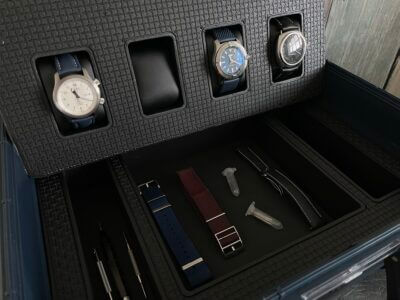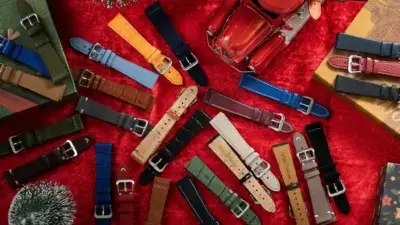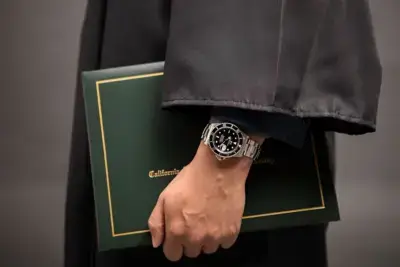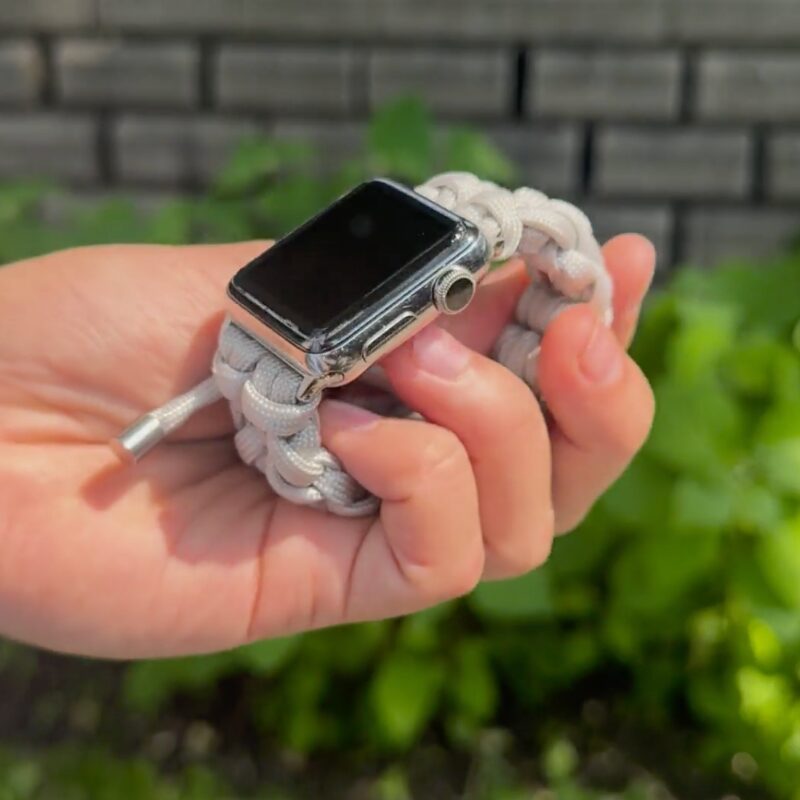
Why Your Watch Strap Matters for Daily Comfort
When you learn how to choose a watch strap, you quickly realize that the strap is just as important as the watch itself. Many beginners assume the watch head drives comfort and style, but the strap you select fundamentally changes how your watch looks, feels, and functions in everyday life. A leather strap transforms a casual watch into something you can wear to the office; a rubber strap makes the same watch ready for swimming or the gym. The strap also determines whether your watch feels light and breathable on a hot day, or heavy and restrictive. Best of all, swapping straps is one of the easiest ways to personalize a watch and adapt it to your lifestyle without buying a new timepiece.
Why the Right Strap Changes Everything
The strap is the only part of your watch that touches your skin for hours at a time. Its material, weight, breathability, and fit directly affect comfort during work, exercise, or rest. Beyond comfort, the strap sets the tone for the entire watch’s appearance and versatility. The same watch can look formal with a leather strap, sporty with a rubber one, or casual and outdoorsy with nylon.
Here are the key reasons strap choice matters for everyday wear:
- Comfort: Material, weight, and breathability affect how your strap feels against your skin during long hours of wear.
- Durability: Different materials withstand different conditions—water, sweat, heat, and daily friction.
- Versatility: The right strap lets you wear one watch across multiple occasions and outfit styles.
- Appearance: The strap is one of the first visual elements people notice and can dress a watch up or down instantly.
A Common Beginner Mistake to Avoid
Many beginners choose a strap based solely on material or color, then struggle with comfort or fit. The most frequent issue is selecting the wrong width—usually too narrow or too wide for the watch case—which throws off the entire look and feel. Others ignore their lifestyle (choosing leather for a swimmer, or nylon for formal office wear) and then blame the material when it does not perform. Before you choose any strap, take time to measure your watch’s lug width, understand how long a strap should be for your wrist, and think about where you will wear the watch most often. This section will guide you through all three steps.
Watch Strap Types and Materials Explained
The material you choose for your watch strap affects how it feels on your skin, how long it lasts, and whether it suits your daily routine. Understanding the everyday trade-offs between leather, rubber, nylon, and metal will help you narrow down your options quickly.
Leather Straps
Leather straps are a timeless choice that work well for everyday wear in professional and casual settings. They are naturally soft and breathable, and they soften further over time to conform to the shape of your wrist. High-quality leather also develops a unique patina—a subtle darkening and texture that gives the strap character as it ages.
Pros:
- Classic, versatile look that pairs with most outfits
- Soft and comfortable against skin
- Breathable, especially in mild weather
- Ages beautifully if cared for
Cons:
- Not ideal for swimming or heavy moisture exposure
- Requires occasional care (conditioning, drying after rain)
- Can take time to break in
- Susceptible to damage from prolonged water exposure
Best for: Office environments, smart casual wear, everyday professional settings, and occasions where you want a polished look without fussy styling.
Rubber and Silicone Straps
Rubber and silicone straps are built for durability and water resistance. They are inherently waterproof, making them an excellent choice if your daily routine involves water exposure, sweat, or humid conditions. These straps are flexible, lightweight, and low-maintenance, though some budget versions can feel stiff or plasticky.
Pros:
- Waterproof and sweatproof for active daily wear
- Durable and resistant to wear and tear
- Easy to clean and maintain
- Flexible and comfortable during movement
- Ideal for sports, swimming, and humid climates
Cons:
- Less formal appearance than leather
- Can feel less refined in professional settings
- Lower-quality versions may feel uncomfortable or stiff
Best for: Active days, gym visits, water-based activities, summer heat and humidity, and anyone who prioritizes function over formality in everyday wear.
Nylon and NATO Straps
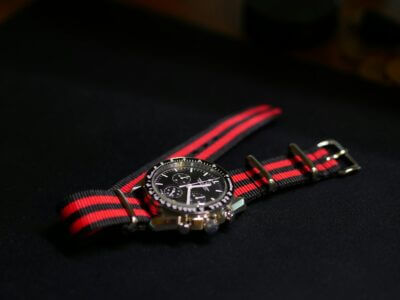
Nylon straps, including NATO-style straps, are lightweight, breathable, and affordable. They are typically made from woven nylon threads and offer excellent water resistance. NATO straps use a pass-through design where a single piece of fabric loops under the watch case, providing exceptional security. Nylon is especially practical for outdoor activities and hot weather because it dries quickly and feels cool against the skin.
Pros:
- Ultra-lightweight and breathable
- Affordable and easy to replace
- Quick-drying and water-resistant
- Excellent for outdoor and casual wear
- NATO style offers exceptional security if the clasp fails
Cons:
- More casual appearance; less suitable for formal settings
- NATO straps can sit thick on the wrist due to the double-layer construction
- Nylon can fray if poorly made
- Less refined aesthetic than leather
Best for: Outdoor adventures, casual weekends, hot and humid weather, travel, and everyday wear if you prioritize comfort and practicality over a formal look.
Metal and Steel Bracelets
Metal bracelets, typically made from stainless steel, are sturdy and classy. They resist moisture, UV damage, and general wear exceptionally well, making them practical for long-term everyday use. However, metal is heavier than other materials and conducts heat, which can feel uncomfortable in warm weather or during physical activity. Many people enjoy the weight and solid feel of a metal bracelet, while others find it tiring during a full day of wear.
Pros:
- Extremely durable and long-lasting
- Resistant to water, moisture, and UV exposure
- Works seamlessly from casual to formal occasions
- Easy to clean and maintain
- Solid, premium feel on the wrist
Cons:
- Noticeably heavier than fabric or rubber straps
- Conducts heat, which can feel uncomfortable in hot weather
- Can be cold to the touch in winter
- Requires care to avoid scratching
Best for: Professional daily wear, formal occasions, travel, and people who want a single versatile strap that tolerates all conditions. Less ideal if you find weight uncomfortable or if you live in a warm climate.
Choosing among these watch strap types means balancing comfort, appearance, and your typical daily environment. The next step is measuring your watch to ensure any strap you select will fit properly.
Leather vs Silicone Watch Straps for Daily Use
Leather and silicone (also called rubber) represent two of the most popular choices for everyday wear, but they offer distinctly different comfort, durability, and maintenance profiles. Understanding how each performs in real daily scenarios helps you avoid costly mistakes and find the right fit for your routine.
Comfort and Breathability
Leather straps are often praised for their natural comfort. High-quality leather softens and molds to your wrist over time, developing a unique patina—a darkening and texture that enhances the strap’s appearance as it ages. This breaking-in process means a leather strap typically becomes more comfortable the longer you wear it. Leather also tends to feel less clammy against the skin in moderate conditions because it allows subtle air circulation.
Silicone straps, by contrast, offer a different type of comfort: they are inherently flexible and lightweight, with a soft, rubber-like feel that many people find immediately comfortable. However, silicone can trap moisture against your skin more readily than leather, which may feel less breathable during extended wear or in warm conditions. The trade-off is that this flexibility makes silicone easier to adjust and forgiving if your wrist size fluctuates slightly during the day.
Durability, Water Resistance, and Maintenance
This is where the two materials diverge significantly. Leather, while durable, is not naturally water-resistant. Frequent exposure to water, sweat, or humidity can damage untreated leather and may cause it to crack, discolor, or develop mold over time. If you swim regularly, work in a humid environment, or sweat heavily during workouts, leather is generally not the best choice without special treatment. With proper care, which includes occasional conditioning and keeping it dry, leather maintains its wearability.
Silicone and rubber straps are inherently waterproof and sweatproof, making them highly resistant to damage from moisture. They require minimal maintenance—usually just a rinse under clean water—and offer lasting durability with regular use. Silicone is ideal if your daily routine involves sports, swimming, or persistent sweating.
Leather vs Silicone Watch Straps: Decision Checklist
Use this checklist to determine which material aligns with your everyday needs:
- Do you spend time in water, high humidity, or sweat-heavy activities most days? If yes, choose silicone/rubber.
- Do you want a strap that softens and develops character over months and years? If yes, choose leather.
- Do you prioritize low maintenance and quick drying? If yes, choose silicone/rubber.
- Is your daily environment formal (office, professional meetings)? If yes, leather often pairs better with dress watches and business attire.
- Is your routine active or athletic? If yes, silicone/rubber is more practical.
- Are you willing to condition and care for your strap regularly? If yes, leather is feasible; if no, silicone/rubber is easier.
- Does moisture exposure concern you or does heat typically make you uncomfortable? If either applies, test silicone in daily increments to find your preference.
Best Scenarios: Leather, Silicone, and Hot Weather
Leather excels in office settings, casual professional wear, and dress-watch scenarios where the strap is visible and contributes to the overall aesthetic. It pairs naturally with business casual outfits and works well in dry or climate-controlled environments. If your day includes occasional light perspiration but no prolonged water exposure, leather remains a comfortable option.
Silicone is often the better choice for sports, gym sessions, swimming, or outdoor activities involving water or heavy sweat. It is also practical for people whose daily routine mixes active and casual wear, because silicone transitions easily from a workout to casual daytime activities.
In hot weather or humid climates, silicone has an advantage in water resistance; however, many people find silicone feels less breathable in prolonged heat, which can lead to skin irritation or a clammy feel. Leather, if it stays dry, may feel more comfortable in hot conditions because it allows some air circulation. The real pitfall occurs when you choose leather for a humid or water-heavy routine: the combination of heat, moisture, and leather creates conditions for damage and discomfort. If you live in a hot, humid climate and engage in water activities or heavy sweating, silicone is often the safer choice; you can manage moisture by rinsing and drying the strap regularly.
Common Beginner Pitfall: Water on Leather
A frequent mistake is selecting a leather strap for everyday wear without considering water exposure. You may not think of your routine as “water-heavy” until you realize your commute involves unexpected rain, your office has a shower room, or you wash your hands throughout the day with the watch on. A single day of wet leather may not cause permanent damage, but repeated or prolonged moisture exposure will. If there is any doubt about your daily water exposure, lean toward silicone or reserve leather for occasions when you know your day will stay dry.
How to Measure Lug Width and Sizing
Lug width is the distance between the inner sides of the lugs, which are the protruding parts on the watch case where the strap attaches. Accurate watch strap sizing starts with measuring this lug width to ensure a proper fit without gaps or overhangs.
Common lug widths range from 18–22mm for many everyday watches. Getting this measurement right prevents the most frequent beginner errors in watch strap sizing, such as choosing a strap that does not align with the watch case.
Beginner-Friendly Tools for Lug Width Measurement
You can use simple tools like a ruler, calipers, or a strap ruler. Calipers provide the most precise reading by sliding into the space between the lugs, while a ruler works if held flat against the inner edges. A strap ruler, marked specifically for watches, offers quick reference marks.
Step-by-Step Process to Measure Lug Width
- Remove the current strap if possible, or gently push it aside to expose the lugs fully.
- Place your tool—ruler, calipers, or strap ruler—flat between the inner sides of the two lugs on one side of the case.
- Read the measurement in millimeters, ensuring it captures only the space between the inner edges.
- Repeat on the other side of the case to confirm both match, as slight variations can occur.
- Double-check the watch case back or manual for printed specs, which often list the lug width directly.
A key pitfall is including the spring bars—the small metal pins that secure the strap—in your measurement; always measure just the inner lug distance. Other common errors include measuring the outer lug edges or confusing lug width with overall strap length, which leads to loose or mismatched fits.
Once measured, verify your findings by checking the current strap’s width, often stamped near the buckle. Replacement straps must match this exact lug width to sit flush against the case.
Here is a quick Lug Width Measurement checklist using beginner tools:
- Grab a ruler, calipers, or strap ruler.
- Expose the lugs by removing or shifting the current strap.
- Measure between inner lug sides only, excluding spring bars.
- Check case specs on the back or manual.
- Confirm by measuring your existing strap’s width.
Finding the Right Length for Your Wrist
Once you know your lug width, the next critical measurement is your wrist circumference—the distance around your wrist where the watch will sit. This determines whether a strap will be comfortable, secure, and adjustable for everyday wear. Many beginners focus on material and style but overlook length, which can make the difference between a strap that works for years and one that never feels quite right.
How to Measure Your Wrist Circumference
You need two pieces of information: your wrist size and how much adjustment room you need for comfort. Here is a simple process:
- Use a soft measuring tape or wrap a string around your wrist at the point where you normally wear your watch (typically just below the wrist bone).
- Keep the tape or string snug but not tight—you should be able to fit one finger underneath.
- Note the measurement in millimeters or inches. This is your wrist circumference.
- If using string, mark the point where it meets itself, remove it, and measure against a ruler.
Write down this number. You will use it to estimate how much total strap length you need, accounting for overlap, clasp positioning, and adjustment holes.
Understanding Strap Length and Comfort Fit
Strap length is separate from lug width. A strap must wrap around your wrist with enough material on both sides of the watch case to overlap and fasten. The comfort fit depends on three factors: hole spacing, tail length, and clasp or buckle position.
When you fasten the strap, the buckle or clasp should sit roughly over the watch case or slightly to one side—not pulling to your hand or back of your wrist. If it sits off-center, the strap will twist, creating pressure points and an uncomfortable wearing experience. The tail (the end that passes through the buckle) should be long enough to stay tucked but not so long that it flaps or irritates your skin.
Hole spacing matters for daily adjustability. Straps typically have multiple holes for adjustment options. If you have a smaller wrist, you need holes positioned near the beginning of the strap; if you have a larger wrist, you need holes spaced throughout. A strap with only a few holes may not give you the fine adjustment needed for everyday comfort, especially if you wear it over clothing in winter or directly on skin in summer.
Guidance for Different Wrist Sizes
Wrist circumference varies widely, and most watch straps are designed for average to larger wrists.
- Smaller wrists: You may struggle to find straps with enough holes at the short end. Look for straps marketed as petite or youth sizes, or choose materials with velcro closures, which offer infinite adjustability without fixed holes.
- Medium wrists: Standard straps typically fit well with holes distributed across the middle and longer sections.
- Larger wrists: Ensure the strap has sufficient length and holes toward the end; metal bracelets and deployant clasps often suit these sizes better because they offer micro-adjustments without relying on fixed holes.
Small Wrist Solutions
If you have a smaller wrist, do not assume you cannot find comfortable everyday straps. Several practical options exist. Velcro closures eliminate the fixed-hole problem entirely and work on any wrist size. Some manufacturers produce shorter strap variants—typically labeled as petite, youth, or women’s sizes—that still fit standard lug widths. You can also consider NATO and pass-through straps, which often come in shorter overall lengths while maintaining the same lug-width compatibility. Finally, when choosing a 2-piece strap, prioritize designs with holes punched all the way to the short end; this gives you more adjustment range without wasting material on your smaller wrist.
Everyday Comfort Adjustments and Pitfalls
A common beginner mistake is buying a strap with the correct lug width but incorrect length, then forcing it to work by always fastening on the shortest or longest hole. This creates an uncomfortable fit throughout the day. The buckle may twist, or you may have to overtighten to keep the watch in place.
Another pitfall is not accounting for how your wrist size changes seasonally or with daily activity. In winter, you may wear the watch over a long-sleeve shirt, requiring a slightly looser fit. In summer, on bare skin, you may want a tighter, more secure position. A strap with well-spaced holes lets you adjust between these scenarios without swapping straps daily. Leather straps, in particular, may stretch slightly over time, so a snug fit when new may become more comfortable after a week of wear—but only if there are enough holes to accommodate the change.
Test the fit before committing to daily wear. Put the watch on, fasten it at what feels like the most comfortable hole, and wear it for a few hours during everyday activities. Move your wrist, flex your arm, and notice whether the watch slides, twists, or creates pressure points. If the buckle or tail digs into your skin, or if the watch slides excessively, the length is not right for you, even if the material and width are perfect.
Popular Strap Styles for Everyday Wear
Watch strap styles refer to the construction and design beyond just materials, influencing how the strap sits on your wrist, its security, and ability to transition between daily scenarios. Understanding these helps select options for everyday comfort and versatility.
2-Piece Straps vs NATO (Pass-Through) Straps
A 2-piece strap consists of two separate pieces that attach to each side of the watch case via spring bars, offering a traditional, low-profile fit that hugs the wrist closely.
In contrast, a NATO strap, also called a pass-through or 1-piece strap, threads under the watch case as a single piece, passing between the watch lugs and spring bars for added security. This design prevents the strap from coming loose if a spring bar fails, making it appealing for active wear. However, the extra layer under the watch can create bulk, sitting higher on the wrist—some users notice this as less comfortable for slim profiles, while others prioritize the security over a sleek feel. Choose NATO if wrist security during movement matters more than minimal thickness; opt for 2-piece for a flatter, everyday profile.
Metal/Steel Bracelets
Metal/steel bracelets use interconnected links instead of a continuous strap, providing a structured, adjustable fit that mimics jewelry. They wear differently from fabric or leather straps by distributing weight evenly but can feel heavier and warmer in heat due to metal conductivity. Bracelets suit polished daily looks while allowing link removal for precise sizing.
Perlon and Rally Straps
Perlon straps are lightweight, woven nylon straps with a cross-weave pattern, known for breathability and a thin profile that enhances comfort, especially in warm conditions. Rally straps feature perforations for ventilation and a textured, vintage racing style, combining breathability with a sporty yet versatile aesthetic. Both add daily versatility through their lightweight builds.
Everyday Style Matching
- 2-piece straps: Ideal for office or dress-casual settings, as their clean lines pair with button-ups without adding bulk.
- NATO straps: Best for outdoor or casual adventures, where pass-through security holds up during hikes or errands.
- Metal/steel bracelets: Versatile for mixed weekdays, transitioning from meetings to evenings with a refined feel.
- Perlon straps: Suited to active casual days, like commuting or light tasks, thanks to breathability on warmer wrists.
- Rally straps: Great for dynamic everyday use, such as weekend drives or errands, offering a perforated, vintage touch.
Choosing the Best Clasp for Comfort
The clasp on a watch strap secures it to your wrist and directly affects daily comfort through its ease of adjustment and security. Beginners often overlook clasps, but selecting the right one can make everyday wear more convenient, especially for on-the-go resizing during a busy day.
Here are the main clasp options—buckle clasp, deployant clasp, and velcro clasp—with their comfort and adjustability traits for daily use.
Buckle Clasp
A buckle clasp uses a prong that inserts into one of several holes along the strap, similar to a belt.
- Comfort: Feels familiar and lightweight; allows multiple hole positions for a snug fit throughout the day.
- Adjustability: Easy to tweak by one hole as needed, though changes require both hands.
- Best for: Office or casual everyday wear where you want simple, secure hold without bulk; suits those who prefer traditional handling.
Example: Someone switching between desk work and light walking might choose a buckle clasp on a leather strap for quick adjustments without fuss.
Deployant Clasp
A deployant clasp is a folding mechanism that latches securely and often includes a safety cover, common on higher-end straps.
- Comfort: Sits flat against the wrist for less irritation; provides even pressure distribution.
- Adjustability: Micro-adjust links or pins allow fine-tuning, but resizing may need tools.
- Best for: All-day professional or travel scenarios needing a polished, hands-free secure feel; good if you prefer easier handling with limited dexterity.
Example: A frequent commuter wearing a metal bracelet might opt for a deployant clasp to maintain security during movement without constant retightening.
Velcro Clasp
A velcro clasp (also known as hook-and-loop) uses adjustable strips that stick together for a customizable wrap.
- Comfort: Soft and forgiving material reduces pressure points; highly breathable for longer wear.
- Adjustability: Infinite positions for instant resizing, even one-handed.
- Best for: Active daily use like outdoor tasks or sports where sweat or swelling requires frequent changes; ideal if you value quick, easy handling.
Example: An outdoor enthusiast on a casual hike could use a velcro clasp on a nylon/NATO strap for effortless adjustments amid varying activity levels.
Each clasp type trades off security, bulk, and ease—consider your typical day to prioritize what matters most for comfort.
Match Your Strap to Lifestyle and Occasions
Your daily activities determine the best watch strap for everyday wear, as factors like sweat, water exposure, and formality levels affect comfort and practicality. Follow this step-by-step matcher to select a strap that fits your routine.
Start by listing your typical day: if it involves mostly desk work or office settings, choose leather straps or metal/steel bracelets. These offer a polished appearance that pairs with business attire, while providing a supple feel for extended wear.
If your routine includes active commuting like biking, or outdoor tasks, opt for rubber/silicone straps or nylon/NATO straps. Their water resistance handles sweat or rain effectively, and they stay secure during movement.
For sports or swimming, rubber/silicone straps excel due to their flexibility and quick-drying nature, avoiding the discomfort of heavier options. In hot-weather scenarios or humid climates, breathable nylon/NATO straps prevent skin irritation from trapped sweat, unlike thicker leather that may feel sticky.
Around water often, like poolside or washing dishes frequently, stick with rubber/silicone to avoid damage from moisture. For casual outdoor or weekend activities, NATO straps provide security without bulk, as their pass-through design holds firm.
Comfort priorities include breathability for heat, light weight to reduce fatigue, and easy adjustability for varying conditions. Consider rotating multiple straps for versatility—one for office leather, another rubber for sports, and NATO for casual outings—to adapt without compromise.
Here is the Everyday Strap Selection checklist focused on lifestyle fit:
- Assess your main activities, such as office, sports, or outdoors.
- Match material to use, like leather for formal or rubber/silicone for water.
- Check lug width matches your watch.
- Test comfort factors like breathability and weight.
- Consider clasp for quick adjustments.
- Factor in budget range for your needs.
- Prioritize versatility for rotating straps across occasions.
Budget, Maintenance, and Changing Straps
When choosing a watch strap for everyday wear, consider how budget levels vary by material, along with basic care needs and the ease of swapping straps to keep your watch comfortable over time.
Budget Considerations
Different watch strap materials fall into general cost categories based on production and quality factors. Nylon/NATO straps often represent the more affordable end, making them accessible for beginners testing everyday options. Rubber/silicone straps tend to be mid-range due to their durability features. Leather straps vary widely, with basic versions more budget-friendly and exotic or premium leathers typically pricier. Metal/steel bracelets generally sit at the higher end because of their construction and finish.
- Nylon/NATO: Often the most affordable option for versatile daily use.
- Rubber/silicone: Mid-range, balancing cost with water resistance.
- Leather: Ranges from affordable basics to higher for specialty types.
- Metal/steel bracelets: Usually pricier due to links and polishing.
Maintenance by Material
Regular care helps extend the life of your watch strap for daily wear, with methods differing by material to handle sweat, dirt, and wear.
- Leather straps: Wipe with a soft, dry cloth to remove dust; condition occasionally with leather-specific products to prevent drying out, and avoid water exposure which can cause stiffening or damage.
- Rubber/silicone straps: Rinse with fresh water after sweaty or wet activities, then wipe with a damp cloth for easy cleaning; they resist dirt buildup well.
- Nylon/NATO straps: Hand wash in mild soap and water when soiled, then air dry; their breathable weave sheds dirt quickly.
- Metal/steel bracelets: Clean links with a soft brush and soapy water to remove sweat and grime that can build up between segments; dry thoroughly to avoid dulling.
Changing Watch Straps
Swapping watch straps lets you adapt your watch for different daily scenarios, using spring bars—small, spring-loaded metal pins that secure the strap between the watch lugs. The process involves compressing these spring bars to release the old strap and insert the new one, taking care to avoid slipping tools that could scratch the case.
Beginners should work in good light and practice on an old strap first.
- Basic tools for strap changing: Spring bar tool (a forked metal prong for compressing bars), small jeweler’s screwdriver (for tight bars), and lint-free cloth (to protect the watch surface).
Common Mistakes and Pro Tips
Learning how to choose a watch strap involves some trial and error, especially for beginners. Understanding the most common pitfalls and how to avoid them will save you time, money, and frustration as you build your everyday strap collection.
Mistakes to Avoid
Here are the most frequent errors beginners make when selecting or swapping watch straps, along with how to fix them.
Checklist of common mistakes:
- Measuring lug width incorrectly or assuming your watch takes a standard width without verifying
- Choosing a strap material that does not match your daily lifestyle or activities
- Exposing leather straps to frequent water or sweat without planning for alternatives
- Selecting a strap length that is too short or too long for comfortable everyday wear
Key Pitfalls and Fixes
Wrong lug width is the most frustrating beginner error. A strap that does not fit your watch’s lugs will either leave visible gaps, sit crooked, or fall off entirely. Always measure the distance between the inner sides of your lugs before ordering or purchasing. If you have already made this mistake, use the measurement checklist from the sizing section to get it right the second time. A common scenario involves confidently ordering a strap for a different watch without rechecking the lug width—this is how gaps happen.
Choosing a strap without matching your lifestyle is equally common. A beautiful leather strap feels wonderful in an office setting, but wearing it during a beach trip, regular gym sessions, or a humid commute will damage it and create regret. Before purchasing, ask yourself honestly: will this strap realistically survive my daily routine? If you swim, run, or sweat regularly, leather is not the everyday answer unless you plan to rotate it out for rubber or silicone on those days.
Water exposure on leather deserves emphasis. Many beginners buy a leather strap, wear it confidently, and are shocked when rain, hand-washing, or sweat leaves marks or causes the leather to stiffen. This is not a flaw in leather—it is the nature of the material. As covered in the Leather vs Silicone section, plan ahead: if your lifestyle involves frequent moisture, choose rubber, silicone, or nylon instead. If you love leather, keep it for drier occasions and have a secondary strap for wet or active days.
Strap length miscalculations also frustrate beginners. A strap that is too short will feel tight or leave no room for layered sleeves; one that is too long will have excess tail hanging past the buckle, looking sloppy and snagging on sleeves. Measure your wrist circumference and check the sizing details before committing to a purchase.
Experimentation and Learning
One of the best ways to avoid mistakes is to think of strap selection as an ongoing practice rather than a one-time decision. If your watch uses a common lug width like 20mm, consider owning at least two or three straps: perhaps a leather option for work, a rubber option for exercise or water exposure, and a nylon or NATO option for casual outings. Swapping straps over weeks or months teaches you what comfort, style, and durability truly mean for your wrist and routine. You will quickly learn whether you prefer the breathability of fabric in summer, the formality of leather, or the low-maintenance nature of rubber.
Keep notes on what works and what does not. A strap that felt perfect in a store might irritate your skin during an eight-hour workday, or a clasp that seemed secure might slip repeatedly. These discoveries are valuable; they guide smarter choices going forward. There is no shame in learning through trial and error—even experienced watch enthusiasts rotate straps and refine their preferences over time.
Quick pro tips for success:
- Always verify lug width before purchasing; if unsure, measure twice or contact the watch manufacturer.
- Start with one versatile strap that matches your most common daily activity, then add variety as you learn your preferences.
- Check the suitability of your chosen material against your actual lifestyle—if they do not align, choose a different material or have a backup plan.
- If you love leather but live an active or wet lifestyle, buy leather for occasional wear and keep a rubber or silicone strap for daily rotation.
- Try different clasp types: a buckle may be perfect for you, but a deployant clasp could feel better on your wrist once you experience it.
- If a strap feels uncomfortable in the first few days, give it a brief adjustment period, but do not ignore persistent discomfort—swap it out and learn what suits you better.
FAQ: Watch Strap Questions Answered
What is lug width and how do I measure it?
Lug width is the distance between the inner edges of the watch lugs, where the strap attaches, typically 18–22mm for many watches. Use a ruler or caliper to measure this gap precisely, as covered in the sizing section, and note it matches common ranges to avoid fit issues.
Leather vs silicone for daily wear?
Leather straps suit office or casual settings with a classic feel that softens over time, while silicone (or rubber/silicone) straps excel in active daily use like sports or swimming due to water resistance and low maintenance. Choose leather for dry environments but avoid water exposure; opt for silicone in hot, sweaty conditions.
Best strap for small wrists?
For small wrists, seek shorter strap lengths measured via wrist circumference, with options like thin nylon/NATO straps or Perlon straps that lie flatter without excess bulk. Leather or rubber/silicone in narrower widths also adjust well through multiple holes or flexible materials.
How to remove/install a strap?
Spring bars are small pins that secure the strap; compress them with a spring bar tool or thin screwdriver to slide the strap off the lugs. Reverse for installation by aligning and releasing—work in good light and protect the watch surface with a cloth.
NATO vs 2-piece straps?
A 2-piece strap attaches separately to each lug for a sleek profile, ideal for formal or slim looks, while a NATO strap (nylon pass-through style) threads under the case for added security but may add slight bulk. NATO offers better retention in active scenarios, balanced against the thinner everyday comfort of 2-piece designs.
Comfortable straps for everyday use?
Comfortable watch straps for everyday use include breathable nylon/NATO or Perlon for outdoor activities, flexible rubber/silicone for sweat-prone days, supple leather for office wear, and lightweight metal/steel bracelets for versatile daily routines. Factors like weight, flexibility, and clasp adjustability enhance all-day wear across these types.
Watch strap sizing for beginners?
Beginners focus on lug width first for attachment fit (typically 18–22mm), then wrist circumference for length to ensure the buckle sits near the wrist edge without excess tail. Match both to avoid loose or tight feels and prioritize everyday comfort.