March 6, 2025
Best Waterproof Watch Straps: The Ultimate Guide to Choosing Waterproof Straps (2025)
Selecting the right waterproof watch strap is crucial for both style and durability. Learn about the best materials and top brands to ensure your strap withstands the elements while complementing your lifestyle.
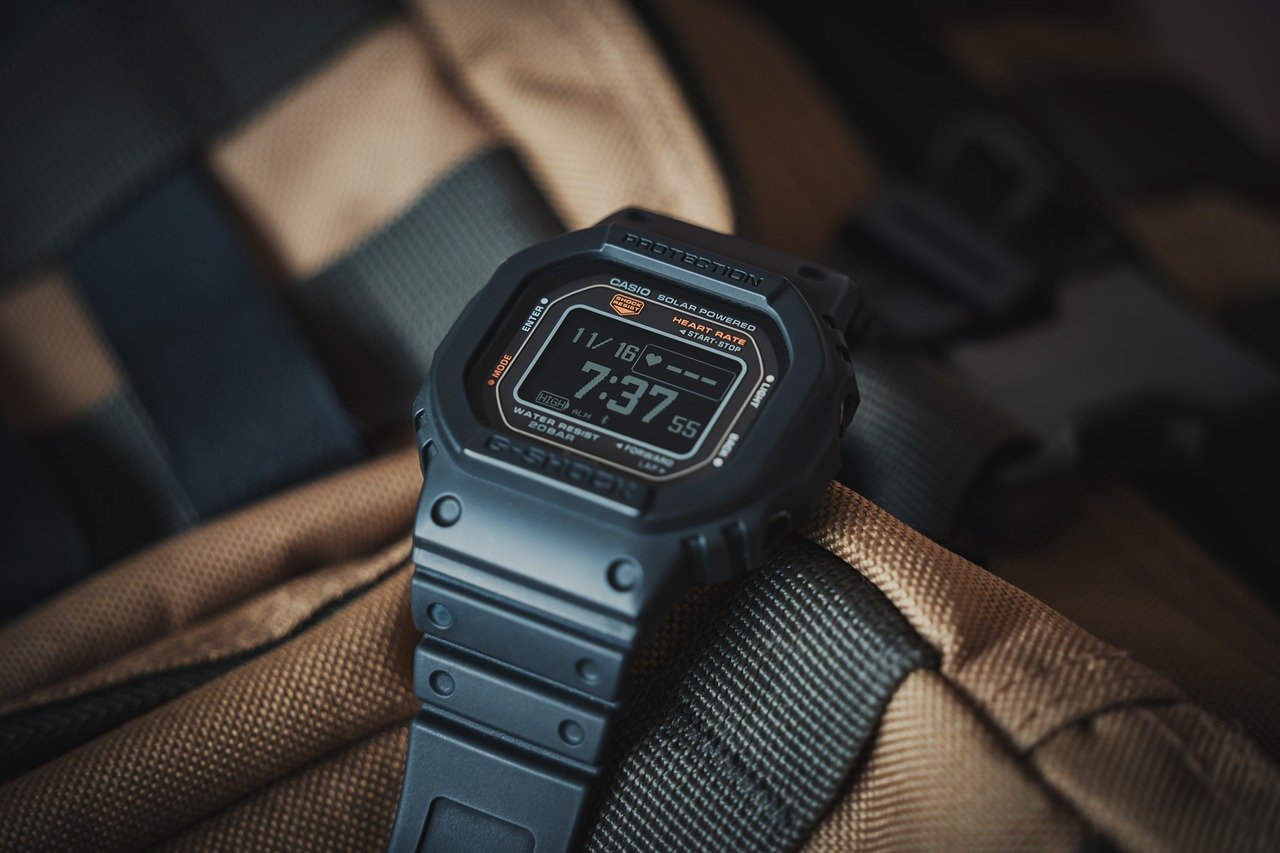
When it comes to selecting the best waterproof watch straps, making the right choice can mean the difference between a strap that lasts for years and one that deteriorates after just a few months of regular wear. Whether you’re an avid swimmer, outdoor enthusiast, or simply want the peace of mind that your strap won’t be damaged by moisture, understanding what makes a watch strap truly waterproof is essential.
Waterproof watch straps are specially engineered to resist water penetration while maintaining their structural integrity, comfort, and aesthetic appeal. From advanced FKM rubber compounds to specially treated leather options, today’s market offers an impressive array of materials designed to withstand everything from swimming pool chlorine to saltwater diving conditions.
In this comprehensive guide, we’ll explore the top waterproof watch strap materials, help you understand water resistance ratings, and provide expert recommendations to ensure you choose the perfect strap for your lifestyle and needs.
Understanding Water Resistance vs Waterproof Watch Straps
Before diving into specific materials and brands, it’s crucial to understand the distinction between water-resistant and truly waterproof watch straps. This difference can significantly impact your strap’s performance and longevity.
Water-resistant straps can handle light moisture exposure such as hand washing, rain, or brief splashes. However, they’re not designed for extended water submersion or swimming activities. Waterproof watch straps, on the other hand, are engineered to withstand complete submersion and extended exposure to water without degrading or losing their properties.
Water Resistance Ratings Explained (3ATM, 5ATM, 10ATM)
Understanding ATM (atmosphere) ratings is essential when selecting waterproof watch straps. These ratings indicate the level of water pressure a strap can withstand:
3ATM (30 meters): Basic splash resistance suitable for hand washing and light rain. A 3ATM rating essentially means the device can withstand pressure in up to 30m of water, allowing for water splashes, rain showers, and showering, but it’s not advisable for swimming.
5ATM (50 meters): Enhanced water resistance suitable for swimming and light water sports. A 5ATM-rated watch offers slightly more durability, not only withstanding splashes and wet weather conditions but also suitable for wearing while swimming and snorkeling.
10ATM (100 meters): Professional-grade water resistance suitable for swimming, snorkeling, and water sports. 10ATM is the base requirement for extended water submersion and should be the minimum specification when purchasing a watch for outdoor use.
20ATM (200 meters): Heavy-duty water resistance suitable for recreational scuba diving and high-impact water sports. This rating indicates that the watch is suitable for high-impact water sports and recreational scuba diving.
It’s important to note that these ratings are tested under static laboratory conditions. Real-world factors such as temperature changes, movement, and water impact can affect actual performance.
Best Waterproof Watch Strap Materials Compared
The material of your watch strap is the most critical factor in determining its waterproof capabilities. Below is a comprehensive comparison of the top materials used in today’s best waterproof watch straps:
| Material | Water Resistance | Durability | Comfort | Price | Best For |
|---|---|---|---|---|---|
| FKM Rubber | Excellent (20ATM+) | 5-10 years | High | $$ | Professional diving, extreme sports |
| Silicone | Very Good (10ATM) | 1-3 years | Very High | $ | Daily wear, casual swimming |
| Natural Rubber | Good (5-10ATM) | 2-5 years | High | $ | Vintage style, moderate water exposure |
| Waterproof Leather | Good (5ATM) | 2-5 years | Excellent | $$ | Business casual, light water activities |
| NATO Nylon | Moderate (3-5ATM) | 3-7 years | Moderate | $ | Military style, quick-dry needs |
FKM Rubber: The Premium Choice for Extreme Conditions
FKM (fluoroelastomer) rubber represents the pinnacle of waterproof strap technology. FKM rubber watch straps are high-performance accessories known for their exceptional durability and resistance to heat, chemicals, and UV rays.
Chemical and Heat Resistance Properties
FKM rubber’s molecular structure provides unmatched resistance to harsh environments. FKM rubber is tough against heat, chemicals, and UV rays, making it a favorite for outdoor enthusiasts and divers. This material can withstand temperatures ranging from -40°F to 400°F (-40°C to 204°C) without losing its flexibility or integrity.
Key benefits include:
- Chemical resistance: Unaffected by oils, acids, and cleaning chemicals
- Heat stability: Maintains properties in extreme temperatures
- UV protection: Won’t crack or fade from sun exposure
- Longevity: Can last 5-10 years with proper care
Why FKM Doesn’t Attract Dust Like Silicone
One significant advantage of FKM rubber is its low surface energy, which means it doesn’t attract dust like silicone does. Some dust and dirt will find its way onto your strap, but not nearly as much as a silicone strap. This property makes FKM straps easier to maintain and keeps them looking cleaner for longer periods.
Silicone Watch Straps: Affordable Comfort for Daily Wear
Silicone straps offer an excellent entry point into waterproof watch accessories. Silicone watch straps are softer and more flexible, offering a super comfortable fit right out of the box.
Pros and Cons of Silicone Materials
Advantages:
- Affordability: Significantly less expensive than FKM rubber
- Comfort: Soft, flexible material that’s comfortable for all-day wear
- Hypoallergenic: Safe for sensitive skin
- Easy cleaning: Simple soap and water maintenance
- Color variety: Available in numerous colors and styles
Disadvantages:
- Dust attraction: Silicone naturally attracts lint and dust
- Lower durability: Less resistant to extreme conditions than FKM
- Potential stickiness: Can feel tacky in humid conditions
- Shorter lifespan: Typically needs replacement every 1-3 years
Best Silicone Straps for Casual Swimming
For recreational swimming and light water activities, quality silicone straps provide excellent value. Look for straps with:
- Perforated designs for better ventilation
- Quick-release spring bars for easy installation
- Smooth surface finishes to minimize dust attraction
- UV-resistant formulations to prevent color fading
Natural Rubber vs Synthetic Options
The choice between natural and synthetic rubber affects both performance and environmental impact.
Vulcanized Rubber Benefits
Vulcanized natural rubber offers several unique advantages:
- Superior grip: Excellent traction even when wet
- Temperature stability: Maintains flexibility across temperature ranges
- Eco-friendly: Biodegradable and sustainable source material
- Classic feel: Traditional rubber texture preferred by many enthusiasts
NBR and Other Specialized Rubbers
Nitrile Butadiene Rubber (NBR) and other specialized compounds provide specific benefits:
- Oil resistance: Ideal for industrial or automotive environments
- Chemical stability: Resistant to specific solvents and chemicals
- Cost-effectiveness: Often more affordable than premium materials
- Application-specific: Tailored for particular use cases
Top Brands Offering Waterproof Watch Straps
Several brands have made a name for themselves by offering high-quality waterproof watch straps. Here are some of the top brands you should consider:
- Apple: Known for its innovative designs and use of high-quality materials, Apple offers a range of Apple Watch Series 8 straps that are both stylish and waterproof.
- Garmin: Renowned for its outdoor and fitness products, Garmin provides durable waterproof straps suitable for various models, including the Garmin Fenix 7.
- Samsung: Samsung’s Galaxy Watch5 series features straps that are designed to withstand water exposure while maintaining a sleek appearance.
- Fitbit: Known for its fitness-focused products, Fitbit offers waterproof straps that are perfect for active users, such as those compatible with the Fitbit Charge 5.
Choosing a strap from a reputable brand ensures that you are getting a product that has been rigorously tested for water resistance and durability.
Pros and Cons of Waterproof Watch Straps
When deciding on a waterproof watch strap, it’s essential to weigh the advantages and disadvantages:
Advantages
- Durability: Waterproof straps are designed to withstand harsh conditions, making them long-lasting.
- Versatility: Suitable for various activities, from swimming to hiking.
- Easy Maintenance: Most waterproof materials are easy to clean and maintain.
Disadvantages
- Comfort: Some materials, like metal, may not be as comfortable as others.
- Style Limitations: Waterproof straps may not always match formal or business attire.
Overall, waterproof watch straps offer a perfect balance of function and style, especially for those with active lifestyles. However, it’s essential to consider your specific needs and preferences when choosing the right strap.
Waterproof Leather Straps: Myth or Reality?
While traditional leather is porous and water-absorbent, modern treatment technologies have created genuinely waterproof leather options.
Specially Treated Leather Options
Waterproof leather watch straps use treated leathers for durability and comfort. The Hirsch Mariner is a velvet-smooth calfskin strap, coated in wax to give it its unique water-resistant properties.
Advanced waterproof leather treatments include:
Wax Coating: A wax-coating atop traditional saddle leather creates a surface with a pleasingly velvet-like texture while providing water resistance. This treatment can provide water resistance up to 100 meters.
Oil Impregnation: Hot-oil treatments penetrate leather fibers, creating a barrier against moisture while maintaining flexibility.
Polymer Coatings: Modern synthetic coatings provide excellent water resistance while preserving leather’s natural appearance.
Hybrid Construction: Combining leather top layers with rubber or synthetic backing materials offers the best of both worlds.
When to Avoid Leather Near Water
Despite advances in waterproofing technology, certain leather types should never be exposed to water:
- Vegetable-tanned leather: Highly porous and susceptible to water damage
- Suede and nubuck: Surface texture makes waterproofing impossible
- Exotic skins: Alligator, crocodile, and lizard skins can be damaged by water
- Untreated leather: Any leather without specific waterproof treatments
Choosing the Right Waterproof Strap for Your Watch
When selecting a waterproof watch strap, consider the following factors to ensure you make the best choice:
- Compatibility: Ensure the strap is compatible with your watch model. Brands like Samsung and Fitbit offer specific straps for their devices.
- Material: Choose a material that suits your lifestyle and comfort preferences. For more on material options, visit Choosing the Right Watch Strap Material for Your Lifestyle.
- Style: Consider the strap’s design and how it complements your wardrobe. For style tips, check out How to Pair Your Watch Strap with Seasonal Outfits.
- Budget: Determine your budget and explore options within your price range. High-quality waterproof straps are available at various price points.
By considering these factors, you can find a waterproof watch strap that not only meets your practical needs but also enhances your personal style.
Maintenance and Care of Waterproof Watch Straps
Proper maintenance is essential for maximizing the lifespan and performance of your waterproof watch straps.
Cleaning After Saltwater Exposure
Saltwater is particularly corrosive and requires immediate attention:
- Immediate rinse: Flush with fresh water immediately after saltwater exposure
- Gentle cleaning: Use mild soap and a soft brush to remove salt deposits
- Thorough drying: Allow complete air drying before storage
- Inspection: Check for any signs of corrosion or damage
For rubber and silicone straps, saltwater poses minimal risk, but metal components like buckles require special attention.
Preventing Bacterial Growth and Odors
Moisture retention can lead to bacterial growth and unpleasant odors:
Daily maintenance:
- Remove and dry your strap daily if heavily used
- Use antibacterial wipes for quick cleaning
- Ensure complete drying before storage
Weekly deep cleaning:
- Soak in warm, soapy water for 10-15 minutes
- Scrub gently with a soft brush
- Rinse thoroughly with clean water
- Air dry completely away from direct heat
Monthly treatment:
- Use specialized watch strap cleaning solutions
- Apply UV sanitization if available
- Inspect for wear and damage
When to Replace Your Waterproof Strap
Even the best waterproof watch straps eventually need replacement. Watch for these signs:
Immediate replacement indicators:
- Visible cracks or tears in the material
- Buckle or hardware failure
- Persistent odors that don’t respond to cleaning
- Skin irritation or allergic reactions
Progressive wear signs:
- Fading or discoloration despite UV protection
- Loss of flexibility or elasticity
- Rough or sticky surface texture
- Reduced water resistance performance
FAQ
Q: How long do waterproof watch straps typically last? A: High-quality FKM rubber straps can last 5-10 years with proper care, while silicone straps typically last 1-3 years. Waterproof leather straps generally last 2-5 years depending on usage and maintenance.
Q: Can I swim with any waterproof watch strap? A: Only straps rated for swimming activities (typically 5ATM or higher) should be used for swimming. Always check both your watch and strap ratings before water exposure.
Q: Are expensive waterproof straps worth the investment? A: Premium materials like FKM rubber offer superior durability, comfort, and resistance properties that often justify the higher cost through extended lifespan and better performance.
Q: How do I know if my leather strap is truly waterproof? A: Look for specific waterproof ratings (ATM or meter ratings), manufacturer guarantees, and evidence of special treatments like wax coating or hybrid construction.
Q: Can I make a regular strap waterproof? A: While aftermarket treatments exist, they’re generally not as effective as purpose-built waterproof straps. For reliable water resistance, choose straps specifically designed for waterproof performance.
Conclusion
Selecting the best waterproof watch straps requires careful consideration of your specific needs, budget, and lifestyle. FKM rubber straps offer the ultimate in durability and performance for extreme conditions, while silicone options provide excellent value for casual use. Waterproof leather straps bridge the gap between style and functionality, though they require more careful maintenance.
Remember that waterproof watch straps are an investment in both the protection of your timepiece and your own comfort and convenience. Whether you’re a professional diver requiring 20ATM performance or a fitness enthusiast needing reliable 10ATM protection, there’s a waterproof strap solution that meets your needs.
When making your selection, prioritize quality materials from reputable manufacturers, ensure proper fit and compatibility with your watch, and don’t forget to factor in long-term maintenance requirements. With the right waterproof watch strap, you can enjoy your timepiece in any environment with complete confidence.
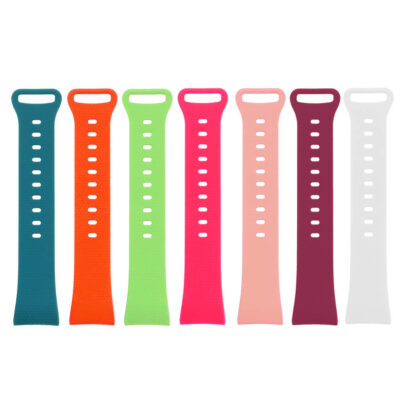
Waterproof Watch Straps
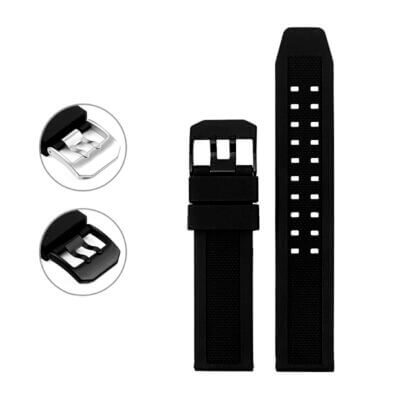
Rubber Watch Strap for Luminox Evo
Price range: $16.99 through $18.99
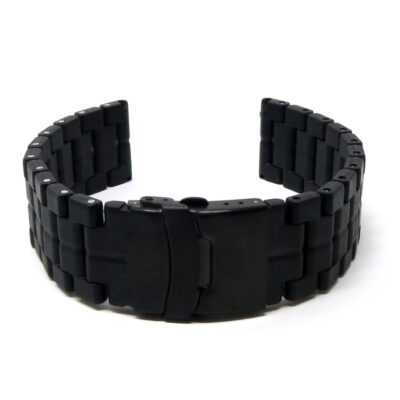
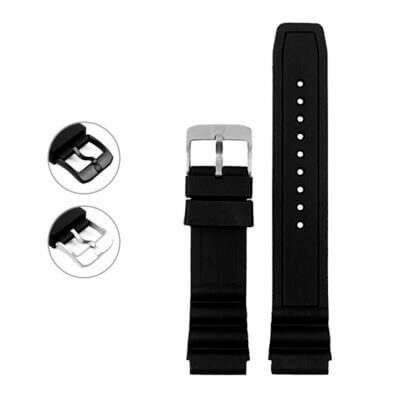
Rubber Watch Band for Luminox 3100 Series
Price range: $14.99 through $16.99
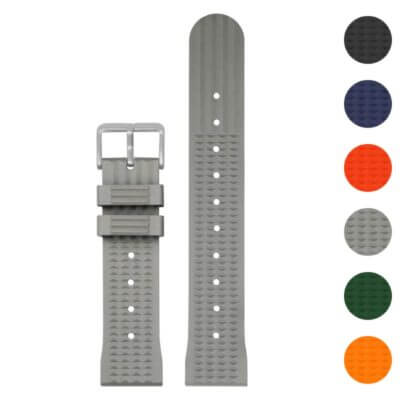
Silicone Waffle Strap
$17.99
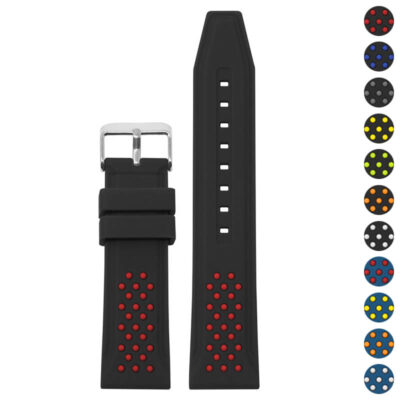
Composite Band for Luminox
$39.99
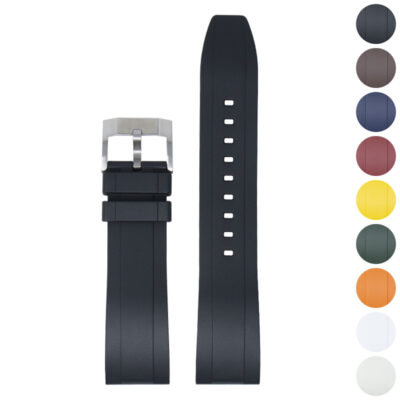
FKM Rubber Strap By DASSARI
$34.99
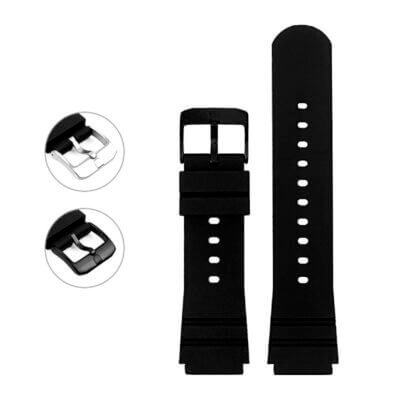
Rubber Watch Band for Luminox Sentry Series 0200
Price range: $18.99 through $20.99
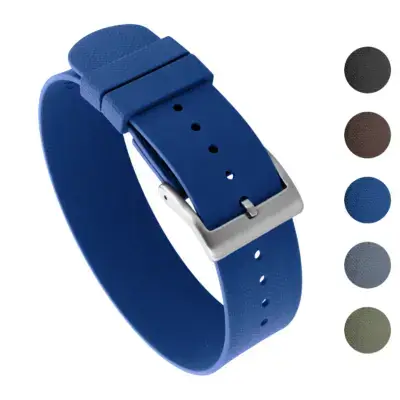
Composite Band for Suunto
$39.99
See More Posts
January 23, 2026
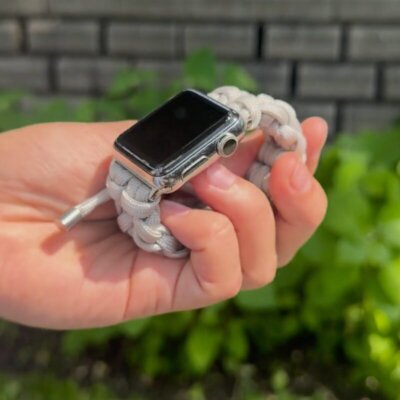
How to Choose a Watch Strap for Everyday Wear (Beginner's Guide)
When you learn how to choose a watch strap, you quickly realize that the strap is just as important as the watch itself. Many beginners assume the watch head drives...
March 16, 2025
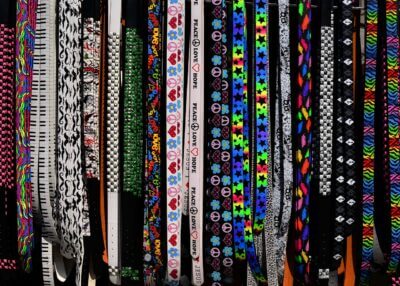
How to Incorporate Snake Skin Straps into Your Wardrobe
Discover the exotic elegance of snake skin straps! Elevate your style with luxurious textures and patterns, perfect for any occasion. Learn how to style and care...

March 10, 2025
How to Choose the Right Strap for a Smart Casual Look
Achieving a smart casual look means focusing on details like the perfect watch strap. From leather's timeless elegance to metal's modern chic, find the strap that...
February 23, 2025
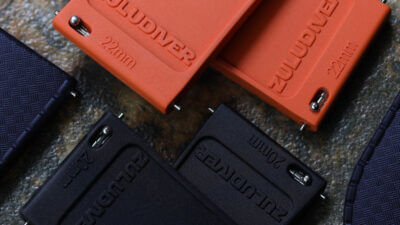
How to Style Your Watch with Quick Release Straps
Discover the art of styling your watch with quick release straps! Effortlessly swap bands to match any occasion and elevate your fashion game. Explore versatile...

February 10, 2025
The Best Watch Straps for a Minimalist Fashion Statement
Transform your style with the perfect minimalist watch strap. From timeless leather to sleek metal, find the ideal match for your personal aesthetic and lifesty...

January 30, 2025
Women's Guide to Choosing the Perfect Watch Strap
Choosing the right watch strap can transform your timepiece into a true reflection of your style. Dive into our guide to discover materials, trends, and tips for...
January 25, 2025
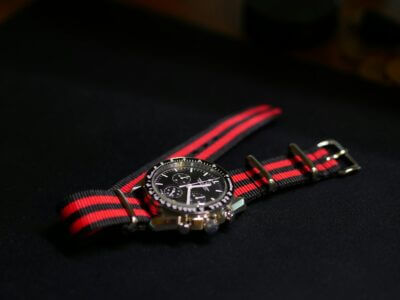
Choosing the Right Nylon Strap for a Casual Look
Dive into the world of nylon watch straps, where durability meets style. Learn how to choose the perfect strap to match your casual outfits and enhance your watch...
January 20, 2025
Exploring the Elegance of Leather Watch Straps in Fashion
Discover the timeless elegance of leather watch straps! From classic to modern styles, explore how leather elevates your watch game with unmatched sophistication...
March 26, 2024
How to Mix and Match Watch Straps for a Unique Style
Transform your watch into a personal style statement by mixing and matching straps. Discover how different materials like leather, metal, nylon, and rubber can elevate...
March 26, 2024
The Versatility of Pilot Bands in Contemporary Fashion
Pilot bands blend rugged charm with sophistication, making them a staple in modern fashion. From leather to nylon, they offer versatility for any occasion, enhancing...
March 26, 2024
Styling Tips for Cuff Watch Straps in Everyday Wear
Transform your everyday look with the bold elegance of cuff watch straps. Discover styling tips for pairing these versatile accessories with both smartwatches and...
March 26, 2024
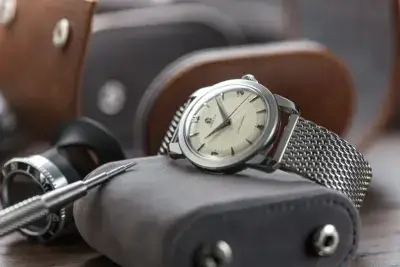
The Role of Mesh Straps in Modern Fashion
Mesh straps have become a fashion favorite, combining durability with style. Their unique texture and versatility make them perfect for both casual and formal settings....