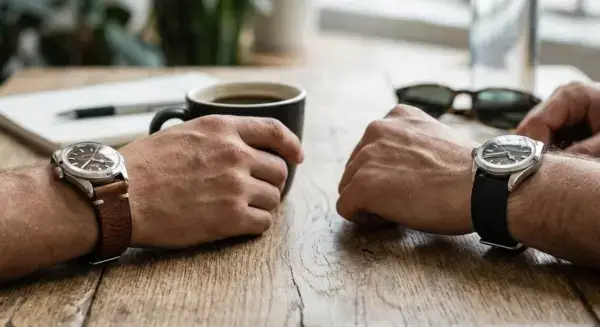
Why Watch Strap Material Matters
Your watch strap material shapes its appearance, comfort, durability, and how it fits your lifestyle—it’s far more than an accessory.
Leather straps and rubber straps stand out as two of the most popular choices for everyday wear. There’s no single “best” watch strap material that fits everyone; the right one hinges on your habits, the occasions you face, and what you’re willing to maintain.
In a nutshell, leather straps bring an elegant, classic vibe, while rubber straps deliver durability and water-readiness.
Here are the main deciding factors we’ll explore to help you pick:
- Your lifestyle and activity level
- The formality of your occasions
- Exposure to water or sweat
- Tolerance for maintenance
- Comfort needs in heat or humidity
The good news? Your watch strap choice is low-risk and fully reversible. With simple strap switching options like quick-release, you can adapt on the fly without commitment.
Leather Watch Straps: Classic Elegance & Comfort
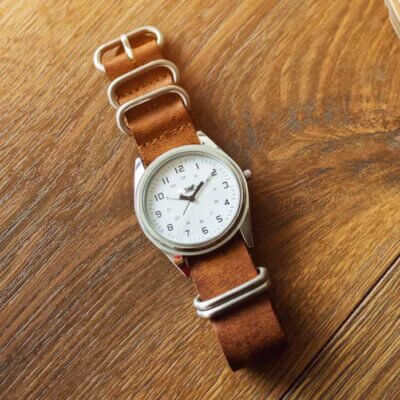
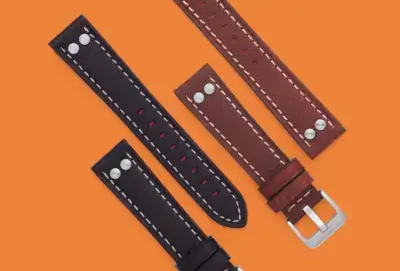
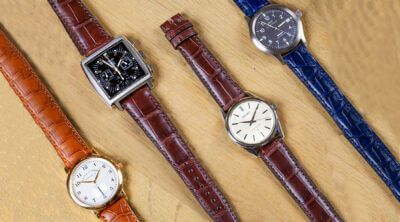
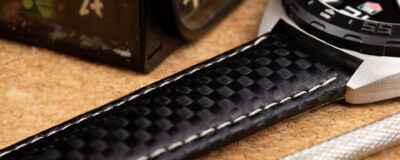
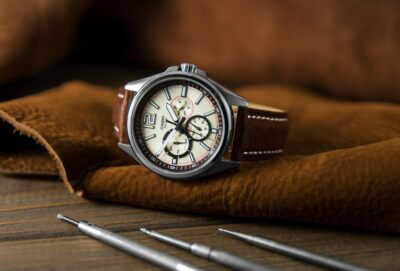
Leather watch straps bring a timeless elegance that elevates any watch, offering a refined look perfect for those who value style and a premium feel on the wrist. They shine in scenarios where sophistication matters, like office days or formal events, pairing beautifully with dress watches or vintage pieces.
People love leather for its classic appeal—it can look polished and professional in black or brown, or add personality with distressed finishes for a vintage vibe. Over time, many develop patina, a natural aging that creates a unique, rich character, turning your strap into a personal story.
Pros and Cons of Leather Watch Straps
Leather delivers real comfort that gets better with wear, but it has limits around water and upkeep. Here’s a practical breakdown:
- Classic look: Instantly dresses up your watch for business or evenings out, far more refined than sporty options.
- Comfort that improves: Softens and molds to your wrist over weeks, feeling warm and natural for all-day wear—leather strap comfort at its best.
- Versatility: Endless colors, textures, and widths to match outfits, from sleek smooth to rugged pebbled.
- Premium feel: High-quality versions feel substantial and luxurious right away.
- Hypoallergenic options: Some quality leathers can be gentler on sensitive skin, though it depends on the person and material.
- Not waterproof: Avoid submersion or heavy sweat, as it can stiffen, stain, or crack.
- Needs maintenance: Leather strap maintenance involves occasional conditioning to stay supple—skip it, and it dries out.
- Break-in period: Stiff at first for some, taking a couple weeks to feel broken in.
- Aging varies: Patina is beautiful but unpredictable; heavy use without care shortens life.
With proper care, a good leather strap lasts 5–10 years, proving durable for everyday wear but not harsh conditions like salt water or constant moisture.
Understanding Leather Types: A Beginner Primer
Not all leather is equal—quality and type affect comfort, durability, and style. Full-grain leather uses the outermost hide layer, keeping natural grain for top strength and aging. Top-grain is sanded and finished for smoother look and even thickness, still high quality but more uniform.
Here’s a quick guide to popular types:
| Leather Type | Characteristics | Best For |
|---|---|---|
| Calfskin | Soft, supple, and lightweight from young cattle hide; smooth finish. | Dress watches, office wear, everyday elegance. |
| Shell cordovan | Firm, non-wrinkle horsehide from the shell; glossy, durable shine. | Dress or vintage watches, formal events. |
| Chromexcel | Soft, pull-up leather from Horween tannery (color shifts when stretched); waxy, rugged finish on full-grain hide. | Casual to semi-formal, patina lovers. |
| Full-grain | Natural surface texture; strongest, ages with beautiful patina. | Vintage styles, long-term wear. |
| Top-grain | Smooth, corrected surface; consistent look and feel. | Everyday use, color options. |
| Horween | Premium tannery known for quality finishes like Chromexcel; rich color depth. | Collectors seeking heirloom quality. |
What Is Chromexcel Leather?
Chromexcel is a signature Horween leather, hot-stuffed with oils for a soft, waxy feel that pulls up color when flexed. It’s tough yet comfortable, developing a deep patina ideal for everyday adventure with style—perfect for beginners wanting character without fuss.
For best results, pair leather with dress watches for formal events, or field/vintage styles for office-to-weekend. Go black or brown for timeless; try tobacco or navy for flair.
Real-Life Scenarios
Picture Alex, the office professional: His slim dress watch on a calfskin strap looks sharp under cuffs all week, molding comfortably by month two—no sweat worries in air-conditioned meetings.
Or take Mia, the vintage watch collector: She chose Chromexcel for its rugged patina potential; now it tells her story of daily wear, gaining honeyed glow without looking worn out.
Leather’s warm feel conforms over time, hugging your wrist like a custom fit—pure comfort for low-key days.
Choose leather if…
- You attend formal events or client dinners regularly.
- Office or business settings dominate your week.
- You love vintage aesthetics and patina development.
- Classic, refined looks top your priority list.
- All-day comfort from a molding strap appeals.
- You’re okay with light leather strap maintenance for longevity.
Rubber Watch Straps: Durability & Performance
If you’re active and need a strap that handles water, sweat, and rough use without fuss, rubber watch straps deliver unmatched reliability. Designed for low-maintenance performance, they shine in sports, outdoor adventures, and humid conditions where leather would struggle.
Let’s break down what makes rubber straps practical. On the pro side, they’re fully waterproof, so you can swim, dive, or surf without worry. Rubber strap durability stands out too—they resist wear from daily abuse, chemicals like pool water, and sun exposure far better than other materials. Cleaning is a breeze: just rinse off dirt and sweat. High-quality versions offer hypoallergenic options, lightweight comfort for all-day wear, and sweat resistance that keeps things secure during workouts. Premium rubber delivers a flexible, snug fit and modern feel right out of the box—no break-in needed.
That said, rubber isn’t perfect. It has a sporty, casual vibe that skips formal settings. In extreme heat, it can feel warm or less breathable, and low-quality ones might trap odors if not dried properly. But choosing wisely fixes most issues.
FKM vs. Silicone: What’s the Difference?
FKM rubber (a high-performance fluoroelastomer) and silicone are the main types people mean by “rubber strap”—with vulcanized rubber as a tougher, older variant for heavy-duty needs. In plain terms, FKM is a synthetic rubber engineered to stay flexible, resist heat, and avoid the stickiness that cheap silicone is known for. Silicone watch straps, what many picture as basic rubber, can feel sticky against skin, especially in sweat or heat, and wear out faster over time.
FKM rubber straps flip that script: softer, less sticky for better comfort, and way more durable against stretching or cracking. They’re the upgrade for gym sessions or humid days. If you’re eyeing rubber strap waterproof reliability with real comfort, seek FKM—it’s the smart pick over plain silicone.
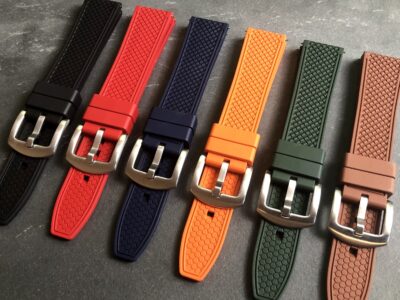
Style-wise, rubber straps bring bold, modern energy with vibrant colors like blue or green. They pair perfectly with dive watches for water sports, field watches for hikes, or sports chronographs for gym time.
Picture a weekend swimmer: your rubber strap shrugs off pool chlorine while staying comfy. Or a gym enthusiast in humid summers—their FKM rubber strap avoids silicone’s stickiness, letting them crush workouts without wrist irritation.
Comfort is immediate and flexible, molding slightly for a secure fit. In hot climates, FKM edges out silicone by staying cooler and less clingy; just dry it after use to sidestep any warmth buildup.
Choose rubber if…
- You swim or do water sports regularly.
- Workouts and sweat are daily realities.
- You crave rugged durability over polish.
- Hot or humid weather is your norm—FKM helps here.
- Minimal maintenance is a must; rinse and go.
- Casual, active vibes fit your everyday look.
Leather vs. Rubber: Side-by-Side Comparison
Here’s how leather and rubber watch straps stack up across the features that matter most to your decision. The tables below break down the key differences in plain language, so you can spot what aligns with your lifestyle at a glance.
Leather vs Rubber Watch Straps: Quick Feature Comparison
| Feature | Leather | Rubber |
|---|---|---|
| Appearance | Elegant, refined, classic; develops character over time | Sporty, modern, casual; consistent look |
| Durability | Long-lasting with proper care; not ideal for harsh water or salt | Extremely durable; resists wear, water, sweat, and dirt |
| Water Resistance | Low; susceptible to damage from prolonged water exposure | High; fully waterproof for swimming, diving, and water sports |
| Comfort | Soft; molds to your wrist over time for personalized fit | Flexible and snug from day one; lightweight for active use |
| Maintenance | Requires periodic conditioning and careful cleaning; needs protection from water | Easy to clean; simply rinse with soap and water |
| Best For | Formal events, office wear, everyday elegance, dress watches | Sports, water activities, outdoor adventures, gym workouts |
| Typical Lifespan | 5 to 10 years with regular care and conditioning | 3 to 7 years typical; depends on quality and frequency of use |
Material Properties Deep-Dive: How Leather and Rubber Perform Across Key Traits
| Property | Leather | Rubber |
|---|---|---|
| Waterproofing | Not waterproof; absorbs moisture and can crack or mildew if exposed to water repeatedly | Fully waterproof; resists moisture, chlorine, saltwater, and household chemicals |
| Breathability | More breathable; allows airflow and feels warmer in hot weather | Less breathable; can feel slightly warm or sticky in humid conditions, depending on rubber type (see FKM vs. silicone in the rubber section) |
| Comfort | Soft and supple; gradually softens and conforms to wrist shape; requires break-in period | Instantly comfortable; flexible fit with no break-in needed; lightweight even during extended wear |
| Durability | Durable with care; can last many years if conditioned regularly; vulnerable to harsh environments | Highly durable; withstands physical wear, moisture, heat, UV exposure, and rough handling |
| Maintenance | High-touch; needs conditioning to prevent cracking, regular cleaning, and protection from water and salt | Low-touch; quick rinse with soapy water removes sweat and dirt; minimal effort required |
| Best Use Case | Professional settings, casual weekday wear, occasions where refined style is valued | Active lifestyles, water exposure, humid climates, situations where minimal maintenance is preferred |
In short: leather excels at delivering timeless elegance and comfort for everyday wear, but it demands care and cannot handle regular water exposure. Rubber delivers bulletproof durability and waterproof performance with minimal fuss, but trades some breathability and formal appeal. Refer to the decision framework below to match your lifestyle to the right material.
Special Considerations: Sensitive Skin & Allergies
If you have sensitive skin, watch strap choice can make a real difference in daily comfort. Both leather and rubber straps can be hypoallergenic depending on quality and manufacturing, so prioritizing higher-end options often helps minimize irritation.
For leather straps, higher-quality versions from reputable tanneries like Horween reduce irritation risk through better finishing and fewer harsh chemicals in the process. Leather like Chromexcel, known for its pull-up effect and durability, serves as a quality signal that can make it gentler on skin over time.
With rubber straps, opt for medical-grade FKM rubber or nitrile options, which are formulated to be less reactive than basic versions. Cheap silicone rubber straps, on the other hand, may trap sweat and cause issues in heat or during activity, so steer clear if sensitivity is a concern.
Common Symptoms to Watch For:
- Red rashes, itching, or unusual odor from the strap area after wearing
- Discomfort that worsens with sweat or heat
- Irritation persisting even after cleaning
How to Test for Sensitivity:
Wear the strap for a few hours during low-stakes activities and check for any discomfort. Regular cleaning also helps both materials by reducing irritant buildup—rinse rubber under fresh water and wipe leather gently to keep things fresh.
Take Alex, who has sensitive skin and found cheap silicone straps caused sticky irritation during gym sessions. Switching to a high-quality FKM rubber strap eliminated the problem, letting him wear his dive watch comfortably. Similarly, Mia noticed rashes from a low-end leather strap but improved things with more frequent cleaning and a Horween Chromexcel upgrade.
If symptoms show up, pause wearing that strap and consider quality upgrades for better skin compatibility.
Caring for Your Watch Strap: Maintenance 101
Proper care for your leather or rubber watch strap keeps it looking great and lasting longer, without needing expert skills. Both materials are forgiving with simple routines tailored to their needs.
Leather Strap Care Basics
Leather thrives when kept dry and nourished, as it naturally absorbs moisture that can lead to stiffness or cracking over time. The goal is gentle cleaning, periodic conditioning to maintain suppleness, and storage that lets it breathe while developing its unique patina.
Follow these steps for everyday upkeep:
- Wipe with a soft, dry cloth after wear to remove dust and oils.
- Condition every 3–6 months (or when the strap feels stiff): apply a leather conditioner sparingly with a soft cloth, rubbing in circular motions, then wipe away excess. Do not oversaturate, as too much product can darken or soften leather unpredictably.
- Keep away from water, sweat, or humidity to prevent warping.
- Avoid direct heat or sunlight, which can dry it out and cause fading.
- Store in a cool, dry place laid flat or loosely hung, never sealed in plastic.
Rubber Strap Care Basics
Rubber handles moisture well but benefits from rinsing to clear sweat, salt, or dirt that could degrade it. Focus on quick cleans and air drying to preserve flexibility and prevent any buildup.
Follow these steps for easy maintenance:
- Rinse with mild soap and lukewarm water after exposure to sweat or salt.
- Air dry away from direct sunlight or heat sources.
- Avoid harsh chemicals, oils, or abrasives that can break down the material.
- Occasionally use a soft brush for deeper cleaning of textured areas.
Common Mistakes to Avoid
Steer clear of these pitfalls to get the most from your strap.
For leather:
- Exposing it to water or prolonged moisture, which stiffens and discolors it.
- Skipping conditioning, leading to cracks from dryness.
For rubber:
- Never use leather conditioner on rubber—it breaks down the material.
- Leaving it damp in a bag, causing odors or material breakdown.
Beginner Reassurance and Pro Tips
Many newcomers worry leather demands pro-level care or that rubber is too basic to last, but basic habits make both viable for years. With consistent routines, high-quality leather can last 5–10 years depending on use, while rubber typically endures 3–7 years under normal conditions—quality and how you wear it matter most.
Quality matters: opt for better leather or FKM rubber, as cheap versions wear out faster regardless of care.
The Quick-Release Solution: Having Both
Stuck between leather and rubber watch straps? Quick-release straps let you have it all by making swaps effortless, so your single watch adapts to any day or adventure.
Quick-release straps have a small button or tab at each lug that releases the spring bar when pressed, letting you slide the strap free in seconds—no tools needed. The whole swap takes under 30 seconds per side, turning your watch into a chameleon for different occasions.
The big win? Versatility. Pair a leather strap with your watch for office meetings on Monday, then switch to rubber for a weekend hike or beach trip. Imagine heading to a formal dinner in a sleek leather strap, then hitting the water the next day with a rugged rubber one—no need for multiple watches cluttering your drawer. Frequent travelers love this too, packing light with just two straps for every climate and event.
It works best on sport watches, field watches, or any with standard spring bars (most modern watches do, but check your lug width first—compatibility isn’t universal). Quick-release straps run $40–150 or more, often cheaper than buying extra watches, and reputable brands offer reliable options.
Sarah, a busy graphic designer with a dive watch, rotates her professional Chromexcel leather strap for office days and a vibrant rubber strap for beach weekends. “It’s like having two watches in one,” she says, effortlessly matching her mood without fuss.
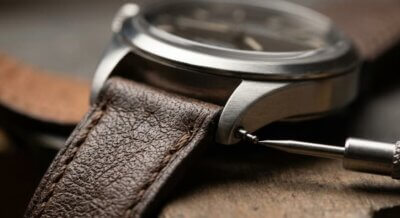
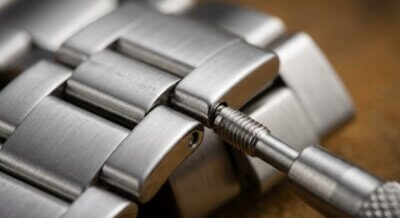
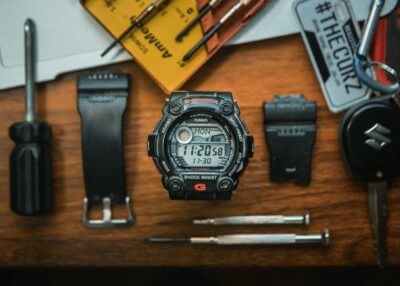
Even non-quick-release straps can swap with a basic spring bar tool, but quick-release skips that step entirely.
Quick-release is for you if:
- You travel frequently and need one watch for every destination.
- Your week mixes office suits with weekend outdoors.
- You have multiple lifestyles, like gym sessions after formal events.
- You’re indecisive or love experimenting seasonally.
- You want flexibility without buying a collection.
This approach gives you leather’s elegance where it shines and rubber’s toughness when you need it—proving there’s no single “right” strap, just the right one for right now.
How to Choose: Decision Framework
Choosing between leather and rubber watch straps boils down to your lifestyle—use this simple mini-quiz to get a clear recommendation in seconds.
Quick Lifestyle Quiz: Answer Yes or No
- Do you spend time in office settings or at formal events? Mostly yes → Leather
- Do you exercise, swim, or head outdoors regularly? Mostly yes → Rubber
- Do you live in a hot or humid climate? Mostly yes → Rubber (opt for FKM rubber for better comfort)
- Do you prefer low-maintenance options? Mostly yes → Rubber
- Do you want a strap that develops a unique patina over time? Mostly yes → Leather
- Do you want to switch styles easily for multiple looks from one watch? Mostly yes → Quick-release (get both leather and rubber)
Count your yeses: If more lean toward leather factors, go classic. More rubber? Prioritize performance. Ties or versatility needs? Quick-release lets you have it all.
FAQ: Common Questions About Leather & Rubber Watch Straps
Can I wear a rubber strap to a formal event?
Generally no—rubber straps have a sporty, casual vibe that can clash with suits or tuxedos. Leather is the safer, more elegant choice for formal occasions.
How long do leather straps last?
With proper care, quality leather straps can last 5–10 years, though this depends on the leather type, your usage, and maintenance routine. See the care section for tips to maximize lifespan.
Are rubber straps waterproof?
Yes, high-quality rubber straps are fully waterproof and suitable for swimming, showering, or sweaty workouts without damage. They’re a go-to for water activities.
Do rubber straps feel sticky?
FKM rubber generally feels smooth and modern without stickiness, while cheaper silicone versions are more prone to it, especially in heat. Opt for FKM to avoid this issue.
What’s the best leather for beginners?
Chromexcel is ideal—it’s forgiving, develops a beautiful patina, and sits at a mid-price point that’s accessible yet high-quality.
Is leather waterproof?
No, leather isn’t waterproof—exposure to water can cause stains, warping, or weakening over time. Keep it dry for best results.
Can I condition a rubber strap?
No, conditioning is for leather only; it can damage rubber. Just rinse rubber straps with mild soap and water, then air dry.
How often should I condition leather?
Every 3–6 months, or whenever it starts feeling dry or stiff to the touch. Regular conditioning keeps it supple and prevents cracking.
Which strap is better for swimming?
Rubber hands-down—it’s built to handle water without harm, while leather will absorb moisture and degrade quickly.
Can I switch straps without tools?
Yes, with quick-release straps that use spring bars for easy swaps in seconds. Standard straps need an inexpensive spring bar tool that is widely available.
Final Thoughts: Finding Your Perfect Strap
Choosing between leather and rubber watch straps comes down to what fits your life best—both materials shine in their own way, and there’s no single “right” choice for everyone.
Leather is ideal if you crave timeless style, that premium feel against your wrist, and a strap that tells a story through its unique patina over time. It’s for the office professional who wants elegance on weekdays or the vintage watch collector who loves how it ages with personal character.
Rubber suits those who prioritize durability, low maintenance, and reliability in any condition, especially for water activities or active adventures—like the weekend swimmer, gym enthusiast, or diver who needs something tough without the fuss.
For maximum flexibility, quick-release straps let you have both worlds, swapping effortlessly between leather for formal events and rubber for outdoor hikes, so your watch adapts to your day.
Whatever you pick, investing in quality pays off: good leather can last 5–10 years with care, while high-quality rubber like FKM holds up 3–7 years typically, bringing more enjoyment and longevity to your watch.
Reputable brands offer reliable options in both, but the key is matching quality to your needs. Go ahead and choose with confidence—your perfect strap is the one that feels right for you.