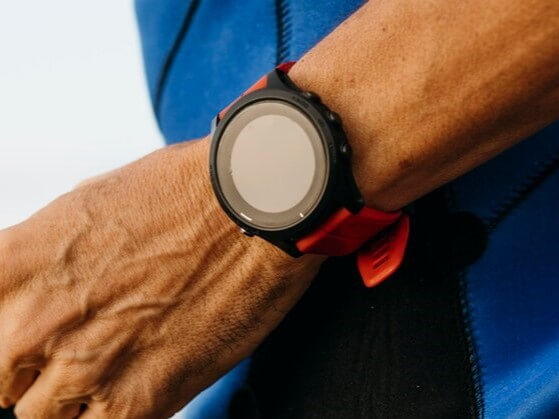
What Makes a True Dive Watch? (ISO 6425 Explained)
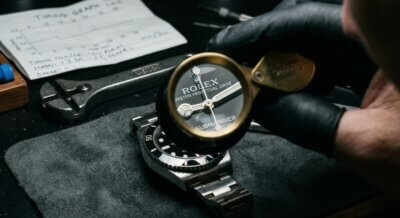
The best dive watches for beginners meet the ISO 6425 standard, or have true-diver specs that align with it, ensuring they handle real underwater pressure and timekeeping demands. This sets them apart from dive-style watches, which often lack the necessary robustness for actual diving.
ISO 6425 is an international standard that defines a true dive watch through rigorous testing for water resistance (WR), durability, and legibility. It matters for beginners because it provides clear, objective criteria amid confusing marketing claims, helping you prioritize safety and function over aesthetics.
ISO 6425 Requirements in Practical Terms
While full certification involves lab testing, you can spot ISO 6425-style true dive watches by checking for these shopper-friendly features:
- Unidirectional rotating bezel: Turns only one way to safely track elapsed dive time without accidental overestimation—a core ISO requirement.
- Strong lume: Glow-in-the-dark material (lume) on hands and markers for low-light legibility, ensuring you read time clearly underwater or at night.
- Screw-down crown: Seals the winding stem tightly to prevent water intrusion under pressure.
- Durable crystal: Often sapphire crystal for scratch resistance, paired with a solid case to withstand shocks and depths.
Many competitors blur lines by calling 100m watches “dive” models, but this guide takes a compliance-first stance: prioritize 200m+ WR true dive watches that match ISO 6425 capabilities, treating dive-style pieces separately.
Water Resistance Ratings Explained
- 50m splash: Fine for handwashing or rain, but not diving.
- 200m+ true-dive category: Recreational baseline for most beginners.
- 300m headroom: Pro-oriented with extra safety margin.
- 500m+ extreme: For technical diving, with overbuilt construction.
Avoid non-divers like those without a bezel—they fail basic dive functionality.
Movements: Automatic vs Quartz
Dive watches use either automatic movements (powered by wrist motion) or quartz movements (battery-driven). Both suit beginners:
- Automatic: Sweeping seconds hand, no battery changes, but needs regular wear or a winder; appeals for mechanical feel and value retention.
- Quartz: Pinpoint accuracy, low maintenance, affordable; ideal if precision trumps tradition.
Materials for Wear and Durability
- Stainless steel: Tough, affordable standard for most true dive watches.
- Titanium: Lighter, corrosion-resistant for extended wear.
- Ceramic bezel insert: Fade-proof color and smoothness, enhancing legibility and bezel action over aluminum.
These build on ISO foundations for reliable performance.
True Dive Watch Verification Checklist
Use this quick 8-item checklist to screen for ISO 6425 compliance in-store or online:
- Unidirectional bezel
- 200m+ WR
- Lume visibility
- Screw-down crown
- Shock resistance
- Legibility at 25cm in the dark
- No pushers
- Anti-magnetic
Essential Features of the Best Dive Watches
Top dive watches share key features that ensure reliability underwater. This section breaks down how each works and what to look for when comparing models on a product page.
Unidirectional Rotating Bezel
The unidirectional rotating bezel is a ring around the dial that only turns counterclockwise. You align it with the minute hand at the start of a dive to track elapsed time safely, as accidental bumps only lengthen the count.
Check for smooth action without play, and note the material of the insert for fade resistance.
Lume and Low-Light Legibility
Lume is photoluminescent material on hands and markers that glows after light exposure. It provides low-light legibility, meaning you can read the time clearly in the dark.
Look for even application and strong afterglow duration in reviews, as it affects usability during night dives or low visibility.
Screw-Down Crown and Case Sealing
A screw-down crown twists tight like a jar lid to seal the case against water intrusion. The case itself uses gaskets and solid construction for pressure resistance.
Verify it screws down securely with no gaps, and check for helium release valves in high-end saturation models.
Sapphire Crystal and Bezel Insert Materials
Sapphire crystal is a hard, domed window over the dial that resists scratches better than mineral glass. Pair it with a ceramic bezel insert, which stays color-true and resists impacts.
These upgrades mark steps up from budget mineral crystals.
Strap Options Overview
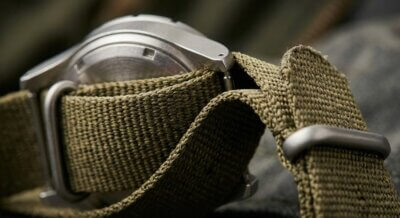
Dive watches come on bracelets for a secure metal fit, rubber straps for water flexibility and quick drying, or NATO straps for lightweight daily comfort. Choose rubber for actual water use, bracelets for formal wear, and NATO for everyday versatility.
This primer sets up deeper customization later.
The table below summarizes core specs for quick comparison.
| Feature | Description | Why it matters |
|---|---|---|
| Rotating bezel | Unidirectional ring that turns one way with dive-time markings. | Tracks elapsed time safely; prevents underestimating dive duration. |
| Screw-down crown | Twist-tight stem for winding and setting. | Seals case against water at depth; essential for pressure resistance. |
| Lume/legibility | Photoluminescent markers glowing post-exposure. | Ensures readable time in low light or underwater conditions. |
| Sapphire crystal | Scratch-resistant domed glass over dial. | Maintains clarity over time; upgrades from softer mineral types. |
| Ceramic bezel insert | Hard, fade-resistant ring material. | Retains markings and color for long-term accuracy. |
Best Budget Dive Watches (Under $500)
If you’re hunting for a dive watch under $500, focus on models that deliver 200m water resistance and true-dive features without compromise. These picks prioritize value, reliability, and beginner-friendly traits like clear legibility and simple operation.
- Casio MDV-106 Duro (around $50)
- 200m WR with unidirectional rotating bezel and screw-down crown for reliable water entry.
- Quartz movement with strong lume for low-light legibility.
- Stainless steel case and mineral crystal.
Best for everyday adventurers on a tight budget who want no-fuss durability. The Casio Duro on rubber shines here—its flexible rubber strap stays comfortable during water activities, resists saltwater damage, and swaps easily for beginners testing dive-ready wear.
- Citizen Promaster Diver (around $200–$300)
- 200m WR, solar quartz movement with extended power reserve after full charge.
- Unidirectional bezel, screw-down crown, and mineral crystal for solid construction.
- Good lume and legible dial.
Ideal for active users who prefer low-maintenance quartz accuracy and eco-friendly charging without battery swaps.
- Orient Kamasu (around $165–$250)
- 200m WR with automatic movement, hacking seconds, and day-date display.
- Unidirectional bezel with smooth rotation, screw-down crown, and mineral crystal.
- Stainless steel case and bracelet, reliable lume for extended visibility.
Suits beginners stepping into automatic movements that build character over time with wrist wear.
- Vostok Amphibia (around $140)
- 200m WR, automatic movement with extended power reserve.
- Unidirectional bezel, screw-down crown, and acrylic crystal.
- Unique compressor-style design with strong lume and rugged build.
Perfect for those seeking quirky, heritage design at a bargain; note acrylic scratches easier but polishes well.
- Seiko Prospex Turtle (around $400)
- 200m WR, automatic movement for reliable self-winding performance.
- Unidirectional bezel, screw-down crown, and durable crystal.
- Excellent lume and legibility in a value-packed Japanese diver.
Great entry to Seiko’s diver lineup—explore more on Seiko Prospex models for size variants if this fits your wrist.
These under-$500 options meet true-dive expectations with 200m WR baselines, avoiding dive-style watches that lack bezels or proper sealing. Check current availability, as some models may be hard to find new.
Best Mid-Range Dive Watches ($500-$2000)
Mid-range dive watches offer clear upgrades from budget options like sapphire crystal for better durability, ceramic bezel inserts for fade resistance, and refined bracelets for everyday comfort, all while maintaining true-dive compliance with 200m+ water resistance.
At this price point, expect automatic movements as standard, providing reliable performance without batteries, plus improved finishing that elevates wearability for beginners stepping up from entry-level picks.
Seiko Prospex (Including Turtle and King Turtle Models)
Best for value seekers wanting Japanese reliability; standout upgrades include sapphire crystal options and ceramic bezel inserts on newer models, paired with robust automatic movements.
- 200m-300m WR for true-dive category confidence
- Automatic movement with extended power reserve
- Sapphire crystal and aluminum or ceramic bezel insert
- $600-$1200 range, often on bracelet or rubber strap
The Turtle and King Turtle variants within the Prospex line add cushion-shaped cases for better wrist fit, making them ideal daily wearers.
Oris Aquis
Best for those prioritizing Swiss craftsmanship and modern aesthetics; Oris Aquis models shine with ceramic bezel inserts and versatile sizing.
- 300m WR with helium escape valve on select models
- Automatic movement
- Sapphire crystal and ceramic bezel insert
- $1400-$1900 range, bracelet standard
Doxa Sub
Best for bold colors and professional heritage; upgrades feature sapphire crystal and a signature cushion case with precise bezel action.
- 200m WR across the Sub 200 series
- Automatic movement
- Sapphire crystal and ceramic or steel bezel insert
- $1000-$1500 range, rubber strap common
Certina DS Super PH500M
Best for extreme WR needs on a budget; upgrades include high power reserve. Note: check current availability, as some variants may be hard to find new.
- 500m WR for extreme category headroom
- Automatic movement with extended power reserve
- Sapphire crystal and steel bezel insert
- $900-$1100 range, often on bracelet
This comparison table highlights how these mid-range picks stack up, emphasizing their compliance-first specs and upgrade value.
| Brand/Model | WR | Movement | Crystal/Bezel | Price range | Best for |
|---|---|---|---|---|---|
| Seiko Prospex Turtle/King Turtle | 200m-300m | Automatic | Sapphire/Ceramic | $600-$1200 | Value and fit |
| Oris Aquis | 300m | Automatic | Sapphire/Ceramic | $1400-$1900 | Swiss style |
| Doxa Sub 200 | 200m | Automatic | Sapphire/Ceramic | $1000-$1500 | Heritage color |
| Certina DS Super PH500M | 500m | Automatic | Sapphire/Steel | $900-$1100 | Deep WR |
Best Luxury Dive Watches ($2000+)
Luxury dive watch brands offer iconic models with deep heritage and premium specs, but for beginners, they represent aspirational choices rather than everyday necessities. These true dive watches prioritize 300m WR headroom, superior low-light legibility, and materials like stainless steel or titanium, while resale value and availability add practical considerations.
Rolex Submariner
The Rolex Submariner sets the benchmark for dive watches with heritage dating back to the 1950s, influencing countless designs. Beginners appreciate its 300m WR and strong lume for legibility.
- Why it’s here: Iconic status and balanced proportions make it a reference point for true dive watches.
- Best for: Those seeking timeless appeal with proven durability; also works as a desk diver for daily wear without water exposure.
- Ownership notes: High demand means long waitlists; check availability at authorized dealers for current stock.
Omega Seamaster
Omega Seamaster stands out for its James Bond association and refined movement, delivering precision in a 300m WR package with excellent lume and sapphire crystal.
- Why it’s here: Swiss craftsmanship combines tool-watch function with refined finishing.
- Best for: Beginners wanting automatic reliability and pop-culture legacy.
- Ownership notes: Strong resale value holds over time, though service intervals factor into long-term costs.
Blancpain Fifty Fathoms
The Blancpain Fifty Fathoms pioneered modern dive watches in the 1950s, offering 300m WR, superior legibility, and a stainless steel case built for rugged use.
- Why it’s here: Pure heritage as the original true dive watch, with meticulous construction.
- Best for: Collectors valuing historical significance alongside modern specs.
- Ownership notes: Limited availability emphasizes checking authorized dealers for current stock.
Tudor Black Bay and Pelagos
Tudor, a Rolex sibling, delivers value in luxury with the Black Bay’s 200m WR stainless steel design and the Pelagos’ titanium lightness at 500m WR.
- Why it’s here: Shares premium DNA with more accessible pricing and refined movements.
- Best for: Beginners eyeing titanium comfort or vintage-inspired looks.
- Ownership notes: Excellent availability and resale make it a practical luxury step-up.
Price Tier Comparison
The following table summarizes key dive watch options across all price tiers, from budget to luxury.
| Brand/Model | WR | Movement | Crystal/Bezel | Price range | Best for |
|---|---|---|---|---|---|
| Casio Duro | 200m | Quartz | Mineral/Aluminum | Around $50 | Budget beginners |
| Citizen Promaster | 200m | Solar Quartz | Mineral/Aluminum | $200-$300 | Low-maintenance users |
| Seiko Prospex Turtle | 200m-300m | Automatic | Sapphire/Ceramic | $600-$1200 | Mid-range value |
| Rolex Submariner | 300m | Automatic | Sapphire/Ceramic | $2000+ | Iconic luxury |
| Tudor Pelagos | 500m | Automatic | Sapphire/Ceramic | $2000+ | Titanium comfort |
How to Choose Your First Dive Watch
Selecting your first true dive watch starts with matching your wrist size, budget, and intended use to the compliance-first options across budget, mid-range, and luxury tiers. This section provides a simple decision framework, strap swap strategies, common pitfalls, and real-world scenarios to guide beginners.
Choose by Wrist Size and Budget: Your Decision Tree
Follow this step-by-step flow to narrow your options quickly.
- If your wrist is smaller, start with compact cases for balanced comfort and readability; larger wrists suit more prominent designs for presence without overhang. See our wrist sizing guide for visuals.
- Next, set your budget: under $500 for entry value, $500-$2000 for upgrades like sapphire crystal, or $2000+ for heritage pieces.
- Match to tier examples: Budget picks like Casio Duro or Citizen Promaster; mid-range like Seiko Prospex Turtle or Certina; luxury like Rolex Submariner or Tudor Pelagos.
- Factor activity: prioritize rubber strap for water, NATO for daily wear, bracelet for formal.
- Verify true-dive specs using the checklist from earlier before buying.
Before You Buy: Quick Beginner Checklist
Use this short list to double-check your choice complements ISO 6425 basics.
- Confirm 200m+ water resistance rating, not just 50m splash resistance.
- Check for unidirectional rotating bezel and strong lume for low-light legibility.
- Ensure screw-down crown and automatic or quartz movement suits your maintenance preference.
- Test fit on-wrist for balanced comfort.
- Buy from authorized sellers to avoid availability issues with older models.
Spot the Non-Diver Quick Tell
No unidirectional rotating bezel? Avoid it—true dive watches require this for safe timing. Fashion or dive-style watches often skip it, lacking the compliance-first build for real use.
Strap Swaps: One Watch, Multiple Looks
Beginners benefit from owning one true dive watch and swapping straps to match occasions—bracelet for office polish, rubber strap for water activities, NATO strap for casual comfort. A stainless steel bracelet adds weight and shine but can feel heavy during swims; switch to rubber for flexibility and quick-dry. NATO straps layer comfortably over sleeves and reduce wear on the case. Start with the stock option, then experiment affordably to extend versatility without buying multiples.
Pitfalls to Avoid
- WR myths: 50m splash resistance handles handwashing, not submersion—insist on 200m+ true-dive category for reliability.
- Dive-style traps: Skip fashion watches mimicking looks without screw-down crown or proper bezel; they fail under pressure.
- Replicas/counterfeits: Avoid replicas entirely—they lack durability and true specs.
- Discontinued models: Double-check current availability; older favorites may be hard to find new.
Real-World Scenarios
Beach vacation: Go budget tier with Casio Duro on rubber strap for carefree 200m WR and easy rinsing; or mid-range Citizen Promaster for solar quartz reliability without battery swaps.
Desk diver: Mid-range Seiko Prospex Turtle on NATO strap offers daily comfort with automatic movement and reliable performance; luxury Rolex Submariner on bracelet shines as an iconic desk companion.
First scuba: Mid-range Certina DS Super PH500M or luxury Tudor Pelagos with 500m WR and titanium lightness, paired with rubber strap for secure fit underwater.
Strap Options and Customization
Strap choices can transform how a true dive watch feels on your wrist, especially when switching between water activities and daily wear. Most models from the budget, mid-range, and luxury tiers come with interchangeable lugs, making swaps straightforward with basic tools.
Bracelet Pros and Cons
A bracelet offers a premium, integrated look that matches the tool-watch heritage of dive watches like the Rolex Submariner or Tudor Pelagos.
- Pros: Secure fit for active use; adjustable links for wrist sizing; durable stainless steel or titanium resists daily scratches.
- Cons: Heavier weight during swims; collects sand or salt needing regular rinsing; warmer against skin in hot conditions.
Rubber Strap Pros and Cons
Rubber straps excel for actual water exposure, pairing naturally with budget picks like the Casio Duro or mid-range options such as the Seiko Prospex Turtle.
- Pros: Lightweight and flexible for comfort; quick-drying after submersion; resists corrosion from saltwater; affordable upgrades available.
- Cons: Can feel sticky in heat; less formal for office wear; may degrade faster with heavy UV exposure.
NATO Strap Pros and Cons
NATO straps provide everyday versatility, ideal for layering over sleeves or quick changes on models like the Citizen Promaster or Omega Seamaster.
- Pros: Soft nylon padding reduces pressure points; multiple layers protect the case; easy to swap without tools; breathable for all-day comfort.
- Cons: Bulkier profile raises the watch height; absorbs moisture slower than rubber; colors may fade with washing.
Compatibility is simple across tiers—budget steel cases like the Casio Duro accept standard widths, while luxury bracelets use specialized fittings for seamless integration. Rubber suits water-focused models for grip and flex, whereas NATO works best on chunkier divers for casual style.
Practical Swap Examples
Start with a bracelet-equipped mid-range dive watch like the Doxa Sub. Swapping to a rubber strap creates a lighter setup for beach dives: the outcome is improved comfort in motion, faster drying, and secure grip underwater.
From bracelet to NATO on a luxury pick such as the Tudor Black Bay: this shift enhances daily wear by softening the profile, boosting breathability for desk use while maintaining legibility.
Reuse the Casio Duro on rubber as a budget example—it shines for extended water wear, hugging the wrist without slippage during swims.
Quick picks: Choose rubber for water activities across any tier; opt for NATO or bracelet for everyday reliability.
Best Dive Watches FAQ
What is ISO 6425?
ISO 6425 is an international standard that defines requirements for true dive watches, including 200m+ water resistance, unidirectional rotating bezel, screw-down crown, lume for low-light legibility, and tests for shock resistance and anti-magnetic properties. It separates true dive watches from dive-style watches.
200m vs 300m WR for beginners?
Both fall in the 200m+ true-dive category and suit beginners for surface water activities; 300m offers extra headroom for deeper recreational use but costs more. Prioritize ISO-capable models over raw numbers.
Automatic vs quartz for dive watches?
Automatic movements wind from wrist motion with no battery but need regular wear; quartz movements are accurate, low-maintenance, and often cheaper. Both work in true dive watches—choose quartz for reliability on a budget.
Best straps for dive watches?
Rubber straps excel for water activities due to flexibility and quick drying; bracelets suit daily wear but add weight; NATO straps provide comfort and easy swaps for casual use. Match to your scenario, like rubber for beach trips.
Can I use a 200m WR watch for diving?
A 200m WR true-dive watch built to ISO specifications is suitable for recreational use; always verify full specs like bezel and crown, consult a professional diver, and follow service guidelines. No water resistance rating guarantees performance alone.
How do I avoid “dive-style” watches that aren’t true divers?
Check for 200m+ WR, unidirectional rotating bezel, screw-down crown, and lume; skip anything under 200m or lacking these, as they are often just dive-style without true-dive compliance.
What should I do if a recommended model is discontinued or hard to find?
Search authorized dealers or pre-owned markets for equivalents in the same tier, ensuring ISO-capable specs; newer models often match or exceed older ones in budget or mid-range options.
Does titanium vs steel matter for a beginner dive watch?
Titanium is lighter and more corrosion-resistant for extended wear, ideal in higher WR models; stainless steel is durable and affordable for starters. Both suit true dive watches—pick by weight preference and budget.