What Makes Watches So Expensive?
The price of luxury watches reaches millions due to a combination of craftsmanship, rare materials, complex mechanisms, brand prestige, scarcity, ownership history, and auction dynamics. This section breaks down these factors to explain why some expensive watches command vastly higher prices than others.
Craftsmanship and Hand-Finishing
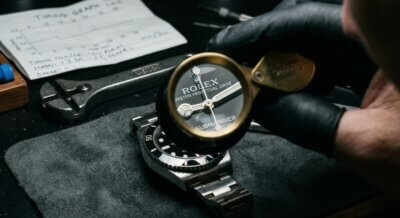
Every luxury timepiece involves skilled artisans who hand-assemble tiny components under magnification. This labor-intensive process can take months for high-end models, as each part must be polished, adjusted, and tested for precision. Patek Philippe watches, for example, often require several months of handcrafting by specialized craftsmen to achieve flawless performance.
Materials Premium
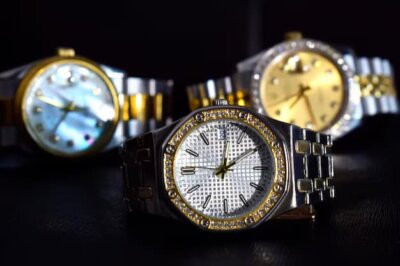
Rare materials form the foundation of high prices in expensive watches. Platinum and rare metals resist wear better than steel, while diamonds add value through carats, cut quality, and color rarity. Diamond-set pieces like the Graff Diamonds Hallucination showcase how gem quality elevates a watch beyond basic metals.
Quick Facts: Patek Philippe watches can take months of handcrafting by master artisans. Brands like Richard Mille incorporate aerospace-inspired materials for superior durability.
The table below outlines key materials and their price impact.
| Material | Price Impact | Notable Examples | Why Premium |
|---|---|---|---|
| Stainless Steel | High (in rare vintage/production pieces) | Patek Philippe Ref. 1518 | Durable and resilient; rarity in luxury models boosts value |
| Platinum | Very high | Patek Philippe Grandmaster Chime | Rare, corrosion-resistant; status symbol in complicated pieces |
| Diamonds | Extreme (200+ carats) | Chopard 201-Carat Watch, Graff Hallucination | Carats, color, and cut; haute joaillerie fusion with timekeeping |
| Sapphire (case) | High | Richard Mille RM 56-02 | Scratch-resistant transparency; aerospace engineering challenge |
Mechanical Complications
A complication is any function beyond basic hours, minutes, and seconds, such as a tourbillon that counters gravity for accuracy. These add engineering challenges and development costs, turning a simple watch into a grand complication with dozens of features. They signal mastery but drive up prices through added complexity—we’ll explore specifics next.
Brand Heritage and Prestige
Brands with centuries of innovation command premiums due to reputation. The Holy Trinity—Patek Philippe, Audemars Piguet, Vacheron Constantin—dominates auctions because their heritage assures enduring demand and resale value. A logo from these houses alone can multiply a watch’s price over similar craftsmanship elsewhere.
| Brand | Founded | Heritage Milestone | Most Expensive Model | Price | Key Complication |
|---|---|---|---|---|---|
| Patek Philippe | 1839 | Pioneer of perpetual calendar and chronograph wristwatch | Grandmaster Chime Ref. 6300A-010 | $31.19 million | 20 complications including grande sonnerie |
| Audemars Piguet | 1875 | Creator of the Royal Oak; haute horlogerie master | Royal Oak complications (vintage) | Up to $5 million+ | Perpetual calendar, tourbillon |
| Vacheron Constantin | 1755 | World’s oldest continuously operating watch manufacture | Ref. 57260 | $8 million | 57 complications, grande sonnerie |
Limited Production and Scarcity
Scarcity arises from one-of-a-kind creations, limited runs, or discontinued production models. Unlike mass-produced watches, these become unobtainable, fueling collector competition. A unique piece versus a standard production model can differ by orders of magnitude in value.
Provenance (Ownership History)
Provenance refers to a watch’s documented ownership by celebrities, royalty, or key collectors, which adds emotional and historical appeal. Paul Newman’s Rolex Daytona, for instance, fetched millions partly due to its celebrity link. This factor can transform a solid watch into an auction standout.
Investment Potential
Some luxury watches appreciate over time due to scarcity and demand, but results vary widely by model and market conditions. Factors like brand strength and condition matter more than guarantees—treat collecting as passion first, not speculation.
Auction House Effects
Prestige auction houses like Phillips, Sotheby’s, and Christie’s amplify prices through global bidder competition, expert cataloging, and marketing. The hammer price is the final bid amount at auction, often exceeding estimates.
Estimated vs Sold For: Key Distinctions
A pre-sale estimate is the auction house’s projected range, while the hammer price is the actual winning bid. Charity auctions, like Only Watch, often see premiums from bidder goodwill. This guide labels each price type clearly: private valuation, auction hammer price, or retail list price.
- Exceptional hand-finishing by skilled artisans
- Rare materials like platinum or high-carat diamonds
- Grand complication territory (15+ functions)
- Holy Trinity brand heritage (Patek Philippe, Audemars Piguet, Vacheron Constantin)
- Scarcity through limited or one-of-a-kind production
- Strong provenance from notable owners
- Auction competition at prestigious houses
- Charity premium in special sales
- Investment-grade condition and documentation
- Modern innovation in materials or mechanics
- Historical significance and cultural impact
- Mechanical complexity requiring years to develop
Top 10 Most Expensive Watches Ever Sold or Valued
The following table ranks the world’s most expensive watches based on confirmed auction hammer prices, private valuations, and retail estimates, with transparent labeling of each price source.
| Rank | Watch Name | Brand | Price (USD) | Price Type | Auction House / Year | Key Feature |
|---|---|---|---|---|---|---|
| 1 | Hallucination | Graff Diamonds | $55,000,000 | Private valuation | N/A | 110 carats of rare colored diamonds; quartz movement |
| 2 | Grandmaster Chime Ref. 6300A-010 | Patek Philippe | $31,190,000 | Auction hammer price | Only Watch / 2019 | 20 complications including five acoustic functions |
| 3 | Marie-Antoinette Ref. 160 | Breguet | $30,000,000 | Private estimate | N/A | Historic commissioned pocket watch; perpetual calendar and minute repeater |
| 4 | 201-Carat Watch | Chopard | $25,000,000 | Private estimate | N/A | 874 diamonds (201 total carats) in pink, blue, and white; floral design |
| 5 | Henry Graves Supercomplication | Patek Philippe | $24,000,000 | Auction hammer price | Sotheby’s / 1999 | 24 complications; one of the most mechanically complex wristwatches |
| 6 | Billionaire Watch (Original) | Jacob & Co. | $18,000,000 | Private estimate | N/A | 260 carats of emerald-cut diamonds; skeletonized white-gold movement |
| 7 | Paul Newman Daytona Ref. 6239 | Rolex | $17,800,000 | Auction hammer price | Christie’s / 2017 | Exotic dial with painted bezel; worn by actor Paul Newman |
| 8 | Ref. 1518 (Stainless Steel) | Patek Philippe | $11,100,000 | Auction hammer price | Christie’s / 2016 | World’s first perpetual calendar chronograph wristwatch; stainless steel rarity |
| 9 | Ref. 57260 | Vacheron Constantin | $8,000,000 | Private estimate | N/A | 57 complications; eight years to complete |
| 10 | Big Bang Diamond | Hublot | $5,000,000 | Private estimate | N/A | 1,282 diamonds including six stones over three carats; modern luxury design |
1. Graff Diamonds Hallucination – $55,000,000
Price type: Private valuation (not an official auction sale).
The Graff Diamonds Hallucination holds the title of the world’s most expensive watch by private valuation, at $55 million. Adorned with over 110 carats of exceptionally rare, vibrant colored diamonds in various hues, this timepiece merges haute jewelry with timekeeping. The watch features a small quartz dial concealed among pink diamonds at its center, emphasizing that its primary value driver is gemstone composition rather than mechanical complexity.
Note on pricing: Multiple sources cite figures ranging from $40 million to $55 million for Graff diamond watches. This guide standardizes the Hallucination at $55 million based on the most frequently referenced valuations; however, no official auction sale has been recorded, so this represents a private valuation rather than a confirmed hammer price.
Availability: Not available for retail purchase.
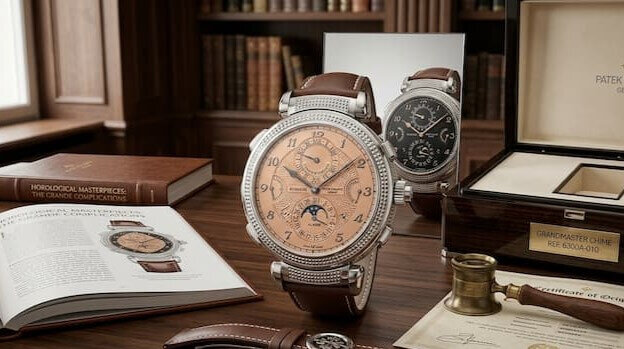
2. Patek Philippe Grandmaster Chime Ref. 6300A-010 – $31,190,000
Price type: Charity auction hammer price (Only Watch 2019).
The Patek Philippe Grandmaster Chime is the most expensive wristwatch ever officially auctioned, selling for $31.19 million in 2019 at Only Watch, a charity auction in Geneva. This stainless steel masterpiece boasts 20 complications, including five acoustic functions, making it one of the most mechanically complex timepieces in existence. The charity-auction context contributed to the premium price; proceeds benefited Monaco’s Princess Grace Foundation.
Why provenance mattered: Created as a one-of-a-kind tribute to Patek Philippe’s 175th anniversary, its exclusivity and the charitable purpose both elevated the final hammer price above typical market estimates.
Availability: Auction price; not available for retail purchase.
3. Breguet Marie-Antoinette Ref. 160 – $30,000,000
Price type: Private estimate (historic pocket watch; no recent auction).
The Breguet Marie-Antoinette is a legendary pocket watch commissioned by admirers of the French queen in the late 18th century. Featuring a perpetual calendar, minute repeater, and other haute horlogerie complications, it represents the pinnacle of hand-crafted heritage watchmaking. The estimated $30 million valuation derives primarily from its royal provenance, historical significance, and mechanical pedigree rather than modern auction activity.
Why provenance mattered: The Marie-Antoinette’s ownership history and association with European royalty establish it as a museum-quality artifact as much as a functional timepiece.
Availability: Not available for retail purchase.
4. Chopard 201-Carat Watch – $25,000,000
Price type: Private estimate (haute joaillerie valuation).
The Chopard 201-Carat Watch is one of the most visually striking luxury watches ever created, featuring 874 diamonds in pink, blue, and white hues arranged in a floral motif. With a total carat weight of 201, this watch epitomizes the “diamond-heavy” category of ultra-luxury timekeeping. The primary value driver is the exceptional quality and rarity of its gemstones rather than mechanical complications or limited production runs.
Availability: Not available for retail purchase.
5. Patek Philippe Henry Graves Supercomplication – $24,000,000
Price type: Auction hammer price (Sotheby’s 1999).
The Henry Graves Supercomplication is a legendary wristwatch featuring 24 complications, making it one of the most mechanically intricate watches ever produced. Commissioned by American businessman Henry Graves Jr. in the 1920s, it sold for $24 million at Sotheby’s in New York in 1999, setting a record at the time. The watch’s complexity and historic significance as a collector’s masterpiece justify its museum-grade valuation.
Why provenance mattered: Graves was a legendary collector whose patronage of Patek Philippe resulted in some of the most technically advanced timepieces of the 20th century, making his name synonymous with watch collecting excellence.
6. Jacob & Co. Billionaire Watch (Original) – $18,000,000
Price type: Private estimate (haute joaillerie; distinct from the $20 million variant).
The Jacob & Co. Billionaire Watch features 260 carats of emerald-cut diamonds set in a white-gold case with a skeletonized mechanical movement visible beneath the stones. The original version is priced at approximately $18 million, while a newer variant featuring Fancy Yellow diamonds was unveiled at Watches & Wonders Geneva 2023 at $20 million. Both versions emphasize maximum diamond content and visibility, making gemstone quality the primary value driver.
Note: The $18 million and $20 million versions reflect market stratification; collectors distinguish between the original and the yellow-diamond edition based on stone rarity and personal preference.
7. Paul Newman’s Rolex Daytona Ref. 6239 – $17,800,000
Price type: Auction hammer price (Christie’s 2017).
Paul Newman’s personal Rolex Daytona sold for $17.8 million at Christie’s in New York in 2017, becoming one of the most expensive sports watches ever auctioned. The watch features an exotic dial with painted bezel that was customized for the actor, and its value is driven equally by mechanical heritage (Daytona chronograph) and celebrity provenance. This sale demonstrates how personal history and cultural significance can elevate a vintage steel sports watch to stratospheric valuations.
Why provenance mattered: The watch’s connection to Hollywood royalty and its visibility in film roles created demand among collectors seeking a piece of entertainment history alongside horological excellence.
8. Patek Philippe Ref. 1518 (Stainless Steel) – $11,100,000
Price type: Auction hammer price (Christie’s 2016).
The Patek Philippe Ref. 1518 is historically significant as the world’s first perpetual calendar chronograph wristwatch. Multiple examples have come to auction, realizing different prices based on condition and originality. The 2016 hammer price of $11.1 million reflects the exceptional rarity of stainless steel versions; the exceptionally preserved condition of this particular example and the material choice elevated its value within the vintage haute horlogerie market.
Note: When evaluating Ref. 1518 prices, year sold and condition significantly impact pricing. This entry uses the 2016 benchmark as the reference auction example.
9. Vacheron Constantin Ref. 57260 – $8,000,000
Price type: Private estimate (bespoke commission; not auctioned).
The Vacheron Constantin Ref. 57260 is the world’s most complicated wristwatch, featuring 57 complications and requiring eight years to complete. This bespoke timepiece represents the pinnacle of mechanical watchmaking innovation, combining perpetual calendar, multiple chimes, world timer, and numerous other functions in a single case. The primary value driver is mechanical complexity and the artisanal labor invested rather than precious metal content or gemstones.
10. Hublot Big Bang Diamond – $5,000,000
Price type: Private estimate (modern luxury sports watch with known celebrity ownership).
The Hublot Big Bang Diamond is priced at approximately $5 million and features 1,282 diamonds, including six stones exceeding three carats each. This modern watch combines Swiss avant-garde design with maximum gemstone coverage, appealing to contemporary collectors seeking bold aesthetics. Notable examples are linked to celebrity ownership, including prominent figures from entertainment and music industries, which adds cultural cache to the timepiece.
Why provenance mattered: Celebrity association and high-profile visibility have boosted Hublot’s profile among younger ultra-high-net-worth collectors, positioning the Big Bang Diamond as a statement piece in modern luxury.
Independent Watchmakers: A Growing Trend
While auction records have traditionally been dominated by heritage Swiss brands, independent watchmakers are gaining auction traction. F.P. Journe, a French independent manufacture, set a record in recent years when a Tourbillon à Remontoir d’Égalité sold for over $1 million, demonstrating that collectors increasingly value innovative design and limited independent production alongside brand pedigree. This trend signals a shift toward valuing technical achievement and artistic vision independent of heritage marketing.
Modern Materials Innovation
Sapphire-case innovation is reshaping the ultra-luxury segment. Richard Mille’s RM 56-02 Sapphire watch, featuring a transparent sapphire crystal case revealing the entire movement, exemplifies how cutting-edge materials and engineering push desirability and pricing forward. Such pieces compete not on historical prestige but on mechanical revelation and material mastery, broadening the definition of what constitutes a “most expensive” watch in 2026.
Retail vs. Auction: Understanding the Market Split
Ultra-luxury watches exist in two distinct markets: production pieces available through retailers and unique examples sold at auction. Understanding the difference clarifies why valuations vary dramatically.
Retail/Production Market: Brands like Jacob & Co. and Chopard create limited-edition or bespoke pieces sold through exclusive dealers or direct commission. Prices reflect manufacturing, materials, and brand markup. Examples: Chopard 201-Carat ($25 million retail estimate), Jacob & Co. Billionaire ($18–$20 million commissioned).
Auction Market: Vintage, one-of-a-kind, or charity-lot pieces sell through prestigious houses where global competition and emotional bidding drive final prices upward. Examples: Patek Philippe Grandmaster Chime ($31.19 million, charity auction 2019), Paul Newman Daytona ($17.8 million, Christie’s 2017).
Key distinction: A retail price is a fixed or commissioned cost; an auction hammer price reflects willing-buyer demand at a specific moment and may never be repeated for an identical piece.
2026 Market Outlook: Auction Records and Trends
The luxury watch market in 2025–2026 continues to set records driven by scarcity and collector passion, even amid economic uncertainty. Key trends include the rise of independent watchmakers and increasing premiums for modern innovations alongside classic heritage pieces.
| Auction House | Notable Record Sale | Price | Date | Watch Name / Brand |
|---|---|---|---|---|
| Only Watch (Geneva) | Charity record | $31.19 million | 2019 | Patek Philippe Grandmaster Chime |
| Christie’s (New York) | Celebrity provenance | $17.8 million | 2017 | Paul Newman Rolex Daytona |
| Sotheby’s (New York) | Mechanical complexity | $24 million | 1999 | Patek Philippe Henry Graves Supercomplication |
| Independent estimate (2025) | Independent watchmaker | $1+ million | 2024–2025 | F.P. Journe Tourbillon à Remontoir d’Égalité |
Market analysts note that watches exceeding $10 million almost exclusively feature provenance (celebrity ownership, historic significance) or mechanical extremity (20+ complications). Production pieces, no matter how diamond-laden, plateau below $50 million without auction dynamics. The 2026 outlook favors independent makers and stainless steel sports models as alternative investment categories.
Understanding Mechanical Complications
A complication is any function on a watch beyond basic hours, minutes, and seconds. These added features require extra gears, levers, and precise engineering, which directly drive up the cost through more components, tighter tolerances, specialized skills, and additional assembly time.
Here is a quick overview of key complications found in the world’s most expensive watches.
| Complication Name | What It Does | Complexity Level (1–5) | Typical Price Premium | Example Watch |
|---|---|---|---|---|
| Perpetual calendar | Automatically adjusts for month lengths and leap years | 4 | High | Patek Philippe Grandmaster Chime |
| Tourbillon | Rotating cage counteracts gravity for better accuracy | 5 | Very high | Henry Graves Supercomplication |
| Minute repeater | Chimes the time audibly on demand | 5 | Very high | Breguet Marie-Antoinette |
| Grande sonnerie | Automatically chimes hours and quarters hourly | 5 | Extreme | Vacheron Constantin Ref. 57260 |
| Chronograph | Mechanical stopwatch for timing events | 3 | Moderate to high | Patek Philippe Ref. 1518 |
| Moon phase / celestial chart | Tracks lunar cycles or star positions | 4 | High | Patek Philippe Grandmaster Chime |
Perpetual Calendar
The perpetual calendar complication displays the date, day, month, and leap years, automatically adjusting for months with 30 or 31 days and skipping February 29 in non-leap years. It can take 5+ years to develop and refine this mechanism. Why it costs more: it demands flawless long-term synchronization over a century.
Tourbillon
A tourbillon places the watch’s balance wheel and escapement inside a rotating cage to counteract gravity’s effects on accuracy, especially in different positions. A tourbillon is like a gyroscope in your wrist—it compensates for gravity’s effects on accuracy. Historically prestigious, it remains a high-end marker today. Why it costs more: the constant motion adds intricate engineering and hand-finishing.
Minute Repeater
The minute repeater chimes the current time audibly when activated, with distinct sounds for hours, quarters, and minutes. Precision tuning ensures clear, harmonious notes. Why it costs more: it requires expert acoustical design and micro-components that must align perfectly.
Grande Sonnerie
Grande sonnerie automatically chimes the hours and quarters every hour, using two sets of gongs for full, repeating strikes. Why it costs more: it combines repeater complexity with constant energy demands and silent operation between chimes.
Chronograph
A chronograph adds a mechanical stopwatch function to start, stop, and reset timing independent of the main time. Unlike a quartz stopwatch, the mechanical version integrates friction-free gears that withstand daily use without batteries. Why it costs more: it needs robust, interlocking systems that maintain accuracy under stress.
Moon Phase / Celestial Chart
Moon phase tracks lunar cycles with a rotating disc showing waxing and waning phases; celestial charts map star positions over a location. Both demand high craft for lifelike displays. Why it costs more: they involve custom astronomical gears calibrated for decades of precision.
Auction catalogs often highlight complication count and rare mechanisms as key value signals—for example, noting a “grand complication with 20+ functions” or specific features like “tourbillon and minute repeater”—to underscore rarity and craftsmanship for bidders.
Consider a simple 3-hand watch (hours, minutes, seconds) versus the Patek Philippe Grandmaster Chime with 20+ complications: the basic model uses a few dozen parts with standard finishing, while the Grandmaster demands thousands of micro-components, months of hand-assembly, and expert regulation, explaining its top auction status.
Beginner’s Guide to Evaluating Luxury Watches
For collectors considering their first high-value acquisition, focus on these key evaluation criteria:
- Brand pedigree: Does the manufacturer have 50+ years of continuous production and heritage?
- Movement type: Is it mechanical (more prestige) or quartz (more reliable but lower collectibility)?
- Materials: Platinum and steel hold value better than other alloys; diamond content must be certified.
- Complication count: Aim for 5+ functions if seeking long-term appreciation; understand each one.
- Condition documentation: Service history, original box, and papers multiply resale value 2–5x.
- Scarcity: Fewer than 100 produced globally suggests stronger appreciation potential than mass-market.
- Comparable sales: Research recent auction hammer prices for the exact model and year to set realistic expectations.
- Liquidity: Can you sell it within 30 days if needed? Vintage sports watches sell faster than haute horlogerie.
- Passion over profit: The best collectors buy what moves them emotionally; market timing is secondary.
Frequently Asked Questions
Q: What is the most expensive watch in the world?
A: The Graff Diamonds Hallucination, valued at $55 million, is the most expensive by private valuation. However, the Patek Philippe Grandmaster Chime holds the record for the highest hammer price at an official auction: $31.19 million in 2019 at Only Watch.
Q: Why are some watches worth millions?
A: Ultra-luxury watches combine rare materials (diamonds, platinum), extreme mechanical complexity (20+ complications), brand heritage (Holy Trinity prestige), historical provenance (celebrity ownership), and scarcity (one-of-a-kind pieces) to command million-dollar valuations.
Q: Are expensive watches a good investment?
A: Results vary widely. Vintage sports watches (Rolex, Patek Philippe Nautilus) and rare limited editions appreciate 5–10% annually on average. However, diamonds-heavy pieces and modern haute horlogerie are harder to resell at equivalent premiums. Buy for passion, not guaranteed returns.
Q: What does “complication” mean in watches?
A: A complication is any function beyond basic time-telling—perpetual calendar, tourbillon, minute repeater, chronograph, moon phase, etc. More complications signal greater mechanical mastery and higher cost.
Q: Can I buy a watch like the Grandmaster Chime?
A: No. The Patek Philippe Grandmaster Chime was a one-of-a-kind charity lot. However, Patek Philippe, Audemars Piguet, and Vacheron Constantin offer bespoke grande complications ($2–$10 million) by commission, with multi-year wait lists.
Q: What is the difference between “auction price” and “retail price”?
A: Auction prices (hammer prices) result from competitive bidding at specific moments and are rarely repeated. Retail prices are fixed or commissioned costs from manufacturers. Auction lots often realize 2–10x their retail valuation due to collector competition and provenance.
Q: Which brands are the “Holy Trinity”?
A: Patek Philippe, Audemars Piguet, and Vacheron Constantin—the three oldest and most prestigious Swiss watchmakers. Their heritage, innovation, and resale strength make them the dominant force in ultra-luxury auctions.
Q: Do diamond watches hold value better than mechanical watches?
A: No. Mechanical complications and brand pedigree drive stronger long-term appreciation than diamond content. A Patek Philippe perpetual calendar appreciates faster than a diamond-set mass-production model, even at lower initial cost.
Q: What makes Paul Newman’s Daytona worth $17.8 million?
A: The watch combines a rare early Daytona chronograph with celebrity provenance (worn by actor Paul Newman), exotic dial customization, and 50+ years of documented history. Provenance alone multiplied its value 10–15x over a standard example.
Q: Can I find a watch under $1 million that will appreciate like a top 10 piece?
A: Yes. Vintage stainless steel sports watches (Rolex Submariner, Patek Philippe Aquanaut) and limited-edition Seiko/Grand Seiko models in excellent condition appreciate 5–8% annually. Focus on scarcity, condition, and brand strength rather than price point.
Q: Where do I buy ultra-luxury watches?
A: For retail: authorized dealers of Patek Philippe, Rolex, and Audemars Piguet (multi-year waitlists). For auction: Christie’s, Sotheby’s, and Phillips hold watch sales globally. For independent makers: F.P. Journe, Kari Voutilainen, and others sell direct from boutiques.