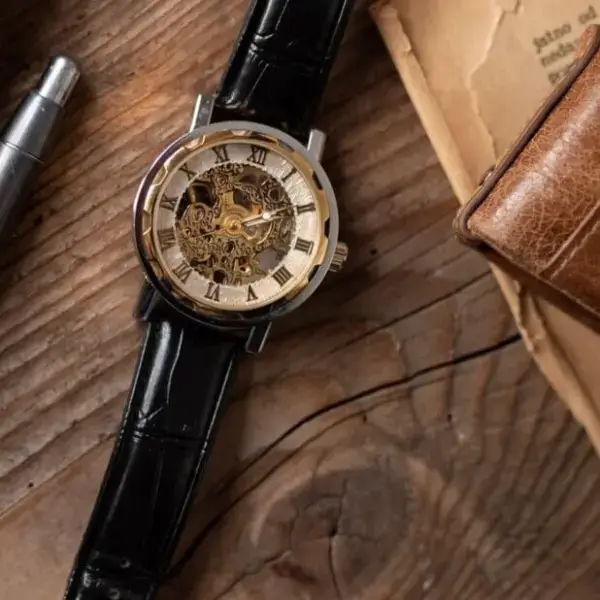
What Is a Microbrand Watch? A Beginner’s Guide
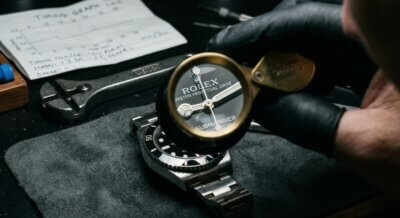
A microbrand watch comes from a small, independent watch brand, often with limited runs and direct-to-consumer (DTC) sales, offering innovative designs and value for the specs at a fraction of mainstream luxury costs. These brands differ from giants like Rolex by focusing on smaller production scales, creative takes on classic styles, and approachable pricing, which creates a sense of exclusivity through limited availability.
For example, a microbrand like Baltic delivers modern reliability in models such as the MR01 or Aquascaphe, contrasting with Rolex’s established luxury scale and heritage positioning. Common patterns include direct sales from the brand’s site, cutting out middlemen, and using reliable movements like Miyota or Sellita that you’ll often see listed in specs.
The boundary can be fuzzy—some sources debate if slightly larger independents qualify as microbrands—but the core idea centers on these small operations delivering high appeal.
Quick Beginner Glossary
- Water resistance (WR): A rating showing how much water pressure the watch can handle, important for everyday use or swimming.
- Lume: Glow paint applied to hands and markers to make the time readable in the dark.
- Mechaquartz: Quartz timekeeping with a mechanical-style chronograph feel, a hybrid movement for smooth, reliable stopwatch functions without full mechanical complexity.
Understanding these terms helps when exploring microbrand watches, as they appear frequently in descriptions across categories.
Why Choose the Best Microbrand Watches Over Big Brands?
Microbrand watches offer a practical alternative to big brands for beginners seeking quality without the premium markup. They deliver accessible value for the specs while bringing fresh perspectives to watch design.
Affordability stands out as a key draw, allowing access to features like reliable Miyota or Sellita movements that many enthusiasts find capable for everyday performance. Unique designs often feature limited runs, creating a sense of exclusivity not always found in mass-produced lines. Many blend modern reliability—think consistent timekeeping and durable builds—with vintage-inspired looks that appeal to those new to watches, offering timeless style without outdated mechanics. Enthusiast communities add to the appeal, with forums fostering discussions that help owners learn and connect.
That said, what counts as a microbrand and what constitutes good value can vary by source and price tier—some view brands like Christopher Ward as microbrands, while others see them as more established.
Here are the main pros and cons to consider:
- Often provide good value relative to features, accessible compared to luxury brands.
- Innovative, creative designs with limited production for a distinctive feel.
- Modern reliability in compact, wearable sizes with appealing vintage aesthetics.
- Access to passionate online communities for advice and shared experiences.
- Availability can be limited due to small-batch production.
- Service experiences may vary by brand, as networks are less widespread than big brands.
- Brand recognition is lower, which might matter for some social settings.
- Quality consistency depends on the specific maker, with some variability across the category.
These tradeoffs make microbrands a balanced choice for first-time buyers open to independent makers.
Top Microbrand Dive Watches
Dive watches are an ideal entry point for beginners exploring microbrands. They combine practical durability with distinctive design, making them as comfortable on a daily commute as they are on a weekend adventure. When evaluating dive watches, look for strong water resistance suitable for diving, a timing bezel (the rotating bezel used for timing underwater activities), and reliable movements that will perform consistently over years of wear.
The appeal of a microbrand dive watch lies in its everyday ruggedness. These watches are built to handle scratches, impacts, and daily wear without requiring careful babying, yet they offer the innovative design and personalized craftsmanship that larger brands rarely deliver at comparable price points.
What to Look For in a Beginner Dive Watch
Start by confirming the watch offers genuine dive credentials with appropriate water resistance. Check that the timing bezel rotates smoothly and clicks into place—this mechanism should feel deliberate and precise, not loose or grinding. Look for a movement from families like Miyota or Sellita, which are known for reliability and durability in microbrands. Finally, assess the lume by checking reviews or photos in darkness; inconsistent or dim glow is a quick signal of cost-cutting.
Standout Microbrand Dive Picks
Below are standout options to consider as you start your dive watch journey:
- Lorier Neptune: A vintage-inspired sports watch with a clean dial, solid construction, and appeal to beginners seeking a straightforward, reliable everyday companion. The Neptune establishes Lorier as a microbrand focused on heritage designs executed with modern reliability.
- Serica 5303: Known for meticulous finishing and attention to detail despite its microbrand status, the Serica 5303 delivers a no-nonsense dive watch aesthetic with consistent quality control. It appeals to beginners who want reassurance that their investment will hold up.
- Zelos Comet: A compact, versatile option that balances dive credentials with everyday wearability. The Comet’s design makes it suitable for varied wrist sizes, and its approachable positioning makes it an accessible entry into the dive category.
- Baltic Aquascaphe: An established microbrand favorite that combines vintage influences with modern specifications, offering beginners a watch that feels both familiar and distinctly crafted. Its strong reputation in the microbrand community makes it a lower-risk choice for first-time buyers.
- Zelos Artemis: A bold option for those seeking distinctive dial colors and design personality. The Artemis represents how microbrands bring playful aesthetics to functional dive specifications.
Each of these options represents the core strengths of the microbrand dive watch category: thoughtful design, reliable movements, and value that outpaces similarly priced mainstream alternatives. When building your dive watch collection, these models serve as reliable benchmarks for quality and beginner appeal.
Best Microbrand Field and Everyday Watches
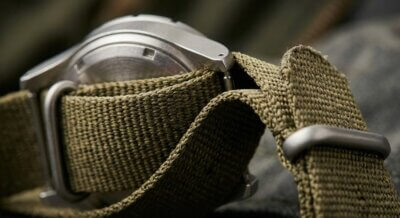
Field and everyday watches are designed for the “GADA” philosophy: go-anywhere-do-anything. These microbrands excel at building watches that handle daily wear without fuss, combining practical durability with approachable pricing. Unlike specialized dive watches, field pieces prioritize legibility, comfortable sizing, and materials that age well under normal use.
What to Look For in an Everyday Microbrand Watch
- Scratch-resistant surface finishes that hide daily wear (brushed cases are more forgiving than polished)
- Readable dials with strong contrast between text and background
- Lume quality for low-light situations (not just a checkbox, but actual usability)
- Comfortable case dimensions suitable for shirt-sleeve wear
- Strap or bracelet options that suit both casual and slightly dressier contexts
With these criteria in mind, here are standout field and everyday options:
Traska Venturer
Traska has built a reputation for field-focused designs that balance aesthetics with genuine practicality. The Venturer is the brand’s flagship everyday watch, engineered with a clean, uncluttered dial and a robust build that handles daily scratches without looking weathered. It comes in multiple color options suitable for both casual and business-casual settings and is widely praised for its ability to serve as a one-watch solution for beginners.
Traska Commuter
A more compact sibling to the Venturer, the Commuter emphasizes everyday wearability on smaller wrists and those who prefer a lighter presence. It retains the same design philosophy and movement reliability as the Venturer but in a more modest case size. For beginners seeking a field watch that doesn’t demand wrist presence, the Commuter is a thoughtful choice, especially if you find most sport watches feel bulky during office wear or casual outings.
RZE Resolute
RZE approaches field watches with angular, clean styling inspired by vintage military pieces. The Resolute combines a no-nonsense dial layout with practical strap options, making it a solid choice for those drawn to field aesthetics without the complexity of a specialized instrument watch. Its design leans toward understated durability, and it performs well in mixed-use scenarios where you might wear it to work one day and on a hike the next.
Daily Wear Suitability Checklist
- Does the case finish (brushed or polished) match your lifestyle?
- Is the dial legible in normal indoor and outdoor light without squinting?
- Does the lume glow noticeably at night?
- Is the bracelet or strap easy to adjust without tools?
- Does the case size sit comfortably under your shirt cuff?
Field and everyday microbrands succeed because they focus on this unglamorous checklist rather than marketing hype. Choosing well here means a watch that genuinely becomes part of your routine, not a shelf-sitter that feels wrong on your wrist after a month.
Standout Microbrand GMT and Travel Watches
Travel watches from microbrands often feature GMT or dual-time functions, which add a second hour hand to track two time zones at once. This solves the hassle of adjusting your watch for flights or remote work across regions, making them ideal for frequent travelers or anyone juggling international schedules.
Look for clear legibility of the extra time hand and a design that balances sporty durability with daily comfort. Here are standout examples:
- Monta Skyquest: Best for the frequent traveler needing a sporty, reliable dual-time option with precise timekeeping across zones.
- Halios Fairwind: Best for remote workers who want an everyday travel companion with straightforward GMT functionality for global calls.
- Baltic Aqualung: A solid alternative with dive credentials and GMT functionality for those seeking overlap between tool watches and travel features.
- Christopher Ward C65 GMT: Offers accessible dual-time capability with refined finishing for those who prioritize elegance alongside functionality.
Fun Chronographs and Unique Designs
If you want a microbrand watch that stands out for its personality rather than pure practicality, chronographs and design-forward models deliver exactly that. These watches prioritize dial color, layout creativity, and visual interest—making them ideal if you’re drawn to watches as wearable art. A chronograph is a watch with a built-in stopwatch function, and many affordable microbrands have made this complication accessible to beginners without premium prices.
What makes these picks fun for beginners is their willingness to break from safe, vintage-inspired designs. You’ll see bold color choices, unconventional dial layouts, and playful brand identities that feel refreshing in a market often dominated by minimalism or retro homages.
Standout Picks
- Brew Metric: A chronograph known for its retro dial design and approachable positioning. The watch appeals to beginners because it delivers chronograph functionality without overcomplicating the dial layout, and the brand has built a devoted following for straightforward, no-nonsense design philosophy.
- Studio Underd0g: Represents the playful end of the spectrum. Models like the Watermel0n (with its distinctive dial color and personality) and Avocado variant showcase how microbrands use bold aesthetics to create watches with genuine character. These are ideal if you want a piece that reflects personal style rather than blending into the crowd.
- Farer Chrono: Brings architectural thinking to chronograph design, combining vintage-inspired proportions with clean, modern dial execution. If you appreciate structured design but want something with more visual depth than a basic field watch, this sits in that middle ground nicely.
- Zelos: Offers colorway-focused chronographs and sports watches that prioritize fun without sacrificing legibility or build quality.
What to Look For in Fun Microbrands
- Does the dial design appeal to you personally? Unlike dive bezels or GMT complications, there’s no functional reason to choose one color or layout over another—this is pure preference, so prioritize what makes you happy wearing it.
- Is the brand’s humor grounded in actual watchmaking, or is it surface-level? Read a few owner reviews to see if the watch delivers on both personality and reliability.
- If you’re considering a chronograph, does the dial avoid overcrowding? Some beginner chronographs cram too many subdials, making the watch hard to read. Look for clean, purposeful layout.
- Check whether the brand offers quick-release straps or bracelet options, especially for playful designs—you might want to swap looks seasonally.
These watches work best for collectors who wear their watches as self-expression. If you prioritize pure utility and durability, the dive or field categories will likely suit you better. But if you enjoy a watch that brings joy every time you glance at your wrist, design-forward microbrands are well worth exploring.
Best Microbrand Watches Under $1000
Looking for your first microbrand watch without stretching your budget? This category focuses on options that deliver strong value for the specs. Beginners should prioritize reliable movements like Miyota or Sellita, solid water resistance, and good warranty support for peace of mind.
These picks emphasize everyday wearability and practical features, with balanced notes on what suits specific needs and potential drawbacks like limited dial variety.
- Most accessible options: Brands like Yema and HELM offer approachable entry points. These appeal to those new to microbrands who want sporty designs without complexity. Look for reliable movements and adequate water resistance for daily use; also consider solar or quartz versions for low-maintenance reliability. One downside: some designs may feel less refined in finishing compared to pricier peers.
- Brew Lite: Ideal for casual, everyday wearers seeking a lighter feel. Look for quick-release straps and decent lume to verify usability. It appeals to those on smaller wrists. Potential drawback: bracelet adjustment might need tweaks for perfect fit.
- Formex Essence: Suited for active beginners needing durability on a budget. Prioritize models with strong water resistance for versatility. Warranty length stands out here for long-term support. Downside: color options can be limited, so confirm availability upfront.
These selections highlight how microbrands pack quality specs into accessible packages. Scan listings carefully to match your preferences and lifestyle—many options make great starters without skimping on essentials.
Emerging Microbrands to Watch in 2026
While established names like Baltic and Lorier have built solid reputations, the top microbrand watches from newer or rising brands continue to gain enthusiast attention in 2026. Here are some fresh designers worth keeping on your radar.
Ming
Ming has carved out attention for its clean, minimalist aesthetic combined with advanced movement options. The brand’s focus on legibility and functional design without unnecessary complications appeals to beginners seeking understated elegance. Key strengths include:
- Advanced movement development signals serious horological commitment
- Minimalist dial designs that age well and remain timeless
- Strong community engagement and transparent production updates
Before committing to Ming, verify that movement warranty and service support are clearly documented on their official site, as newer brands sometimes lack established service networks.
Phoibos
Phoibos has gained traction for purposeful dive and field watches that blend vintage inspiration with modern reliability. The brand prioritizes specs-forward design and accessibility, making it a natural fit for beginners interested in rugged, tool-watch aesthetics. Notable aspects:
- Strong focus on water resistance and practical durability cues
- Competitive positioning relative to featured specs
- Active model rotation with seasonal color releases
Confirm that any Phoibos model you’re considering has documented reviews from independent watch enthusiasts, as newer brands benefit from third-party credibility.
echo/neutra
echo/neutra emerged as a standout in the microbrand space and continues to gain recognition for its bold rectangular and alternative case shapes. The brand exemplifies the commitment to shape-forward design in this segment. Why collectors are watching:
- Distinctive case geometries that stand out from typical round sports watches
- High execution quality on integrated bracelets and finishing
- Appeal to collectors seeking design personality over conservative homages
As with any emerging brand, check that echo/neutra provides clear specification sheets and movement details upfront, and read user reviews on independent watch forums before purchase. Emerging microbrands often lack the production scale and service infrastructure of established names, so approach them with buying diligence outlined in the checklist section below.
How to Buy Your First Microbrand Watch (Beginner Tips)
Once you’ve narrowed down options from lists of best microbrand watches, these beginner tips help you check specs, spot quality, and buy confidently from authentic sources.
Step-by-Step Guide to Checking Specs and Reviews
Start by reviewing the official brand website for key specs like water resistance and movement type. Look for independent reviews on watch forums or enthusiast sites to confirm real-world performance, such as lume brightness or strap comfort. Prioritize recent 2026 feedback to catch any quality updates from newer production runs.
Avoiding Fakes and Ensuring Authenticity
Stick to official channels or known authorized retailers to minimize fake risks—microbrands rarely have widespread distribution, so third-party sellers with poor photos or no serial numbers are red flags. Check for clear branding on the caseback and consistent packaging; if a deal seems too low for the model, verify directly with the brand.
Direct-to-Consumer (DTC) vs Retailers: Weighing Tradeoffs
Buying direct-to-consumer (DTC) from the brand often means faster access to limited runs and better warranty support, but stock can sell out quickly. Retailers provide try-on options and sometimes easier returns, though availability lags and markups apply—consider your priority on immediacy versus in-person fit.
Microbrand Buying Checklist
- Sapphire crystal: Scratch-resistant dome protects the dial for everyday durability.
- Water resistance: Adequate for your intended use, whether splashes or diving.
- Miyota/Sellita movement: Proven reliable automatics common in quality microbrands.
- Quick-release straps: Easy swaps let you customize without tools.
- Lume quality: Strong glow ensures readability in low light.
- Bracelet adjustment: Multiple links for a secure, comfortable fit on any wrist.
- Warranty: Clear coverage and service options documented upfront.
Beginner Mistakes Checklist
- Ignoring strap quality: Thin or stiff bands wear out fast and irritate skin.
- Overlooking wrist fit: Measure before buying; confirm case dimensions suit your preferences.
- Skipping review recency: Older feedback misses 2026 production improvements.
- Chasing hype drops: Limited runs sell out, leading to risky resales.
- Forgetting service needs: Confirm movement servicing options upfront.
Spec Red Flags to Spot Quality Issues
- Mineral glass instead of sapphire: Prone to scratches over time.
- Inadequate water resistance: Limits practical use beyond dry wear.
- Unknown movements: Stick to Miyota, Sellita, or Seiko NH35 for reliability.
- Poor lume photos: Dim glow disappoints in real low-light tests.
- No quick-release or adjustment details: Hints at unfinished design.
Microbrand vs Big Brand: Quick Comparisons
When deciding between a microbrand watch and one from a big brand, beginners often weigh style familiarity against value for the specs, with microbrands offering innovative designs from small, independent watch brands at accessible levels while big brands bring established prestige but higher entry points.
Keep in mind that what counts as a microbrand can be blurry—brands like Christopher Ward are sometimes viewed as microbrands by some sources and more established by others, varying by perspective.
If You Like These Big Brands, Try These Microbrand Alternatives
- Like Rolex Submariner? Try Lorier Neptune for its vintage-inspired dive bezel and rugged daily wear.
- Like Rolex GMT? Try Monta Skyquest for dual-time functionality in a sporty package.
- Like Omega Speedmaster? Try Brew Metric for chronograph layout with personality.
- Like Panerai field styles? Try Traska Venturer for durable, go-anywhere-do-anything (GADA) construction.
- Like colorful Seiko divers? Try Studio Underd0g Watermel0n for playful dial vibes.
These pairings highlight style and positioning similarities, not direct equivalents, so you get fresh takes with microbrand creativity.
Microbrand vs Homage: A Clear Distinction
A homage is a design that closely echoes an iconic watch from a big brand, often as a nod to classic aesthetics. Microbrand watches may draw inspiration this way but stand out through their own limited production twists or modern specs. To spot the difference as a beginner, check for unique elements like custom case shapes or dial colors that go beyond direct copies—true microbrands prioritize originality alongside any influences.
Quick Decision Flow for Your First Pick
- Want something rugged for water or outdoors? Go dive, like Serica 5303.
- Need everyday versatility and scratch resistance? Choose field, like Traska Commuter.
- Travel often and track dual-time? Pick GMT, like Monta Skyquest.
- Prefer fun colors or chronograph quirks? Opt for unique designs, like Studio Underd0g Avocado.
FAQ: Best Microbrand Watches Answered
What is a microbrand watch?
A microbrand watch comes from a small, independent watch brand, often with limited production runs and direct-to-consumer sales. These offer innovative designs and accessible value, like reliable Miyota or Sellita movements, without mainstream luxury pricing.
Why choose microbrands over big brands?
Microbrands provide affordability, creativity, and exclusivity through limited runs, often delivering capable quality in everyday reliability. They suit beginners seeking modern looks with vintage appeal, though established names carry more resale recognition.
What are the best microbrand dive watches?
Standout options include the Lorier Neptune for vintage-inspired ruggedness, Serica 5303 with solid construction, Zelos Comet for bold designs, Baltic Aquascaphe for reputation, and Zelos Artemis for personality. Look for strong water resistance and a timing bezel.
What are the best microbrand watches under $1000?
Options include Brew Metric, Yema models, HELM watches, and smaller sizes from RZE. These often feature reliable movements and versatile specs for beginners without inflated pricing.
Do microbrand watches hold their value?
Some microbrand watches can retain value due to limited production and growing collector interest, but this varies widely by model and brand popularity. Unlike big brands, resale depends more on demand than guaranteed appreciation.
How to buy authentic microbrand watches?
Buy from the brand’s official direct-to-consumer site or authorized retailers. Check for detailed specs matching the brand’s listings, read recent owner reviews on forums, and avoid suspiciously low prices. Verify serial numbers if the brand provides them.
Are microbrands reliable for daily wear?
Yes, many use proven movements like Seiko NH35 or Sellita for modern reliability, with good lume for low-light readability and adequate water resistance. They balance vintage style with practical durability for beginners.
What movements are common in microbrand watches?
Popular choices include Miyota for affordability, Sellita for Swiss precision, and mechaquartz in fun models. These deliver consistent performance without high costs.