Why the Best Watches Under $5000 Deliver Real Luxury
Searching for the best watch for 5000 dollars? In 2026, this budget opens the door to real luxury from respected Swiss brands like Omega, Tudor, and Longines, delivering heritage designs, precise movements, and durable builds that punch far above cheaper alternatives.
Luxury under $5,000 means access to timepieces with serious craftsmanship at an entry-level price, where you get in-house movements, sapphire crystals, and steel cases built for decades of wear. These watches offer everyday reliability without the compromises of sub-$1,000 options, such as weaker movements or fleeting trends.
Owners enjoy long-term value through sturdy construction and retained appeal. All picks here stay strictly under $5,000. In the current market, new automatics and vetted pre-owned options provide fresh availability.
Automatic movements power many top picks: these self-winding mechanical calibers use your wrist motion to stay running, offering a smooth sweeping seconds hand and the satisfaction of traditional watchmaking at this tier.
Swiss craftsmanship refers to the general build and finishing tradition from brands based in Switzerland, emphasizing precision assembly and quality materials passed down through generations.
Beginners gain from these watches’ versatility—they handle daily life with robust water resistance options, legible dials, and comfortable sizing, making them ideal first luxury pieces.
To spot true value, use this luxury hallmarks checklist covering essential buying factors:
- Budget fit: Confirm watch stays under $5,000 across new and pre-owned options.
- Movement type: Prioritize automatic for mechanical appeal or quartz for low-maintenance accuracy.
- Water resistance (WR) needs: Match to lifestyle—daily wear needs at least 100m, sports 200–300m.
- Warranty: Check manufacturer warranty length for peace of mind on new purchases.
- Size fit: Choose case diameter suiting your wrist (more on scenarios later).
- Brand heritage: Opt for established names like Tudor or Omega for proven reliability.
- New vs pre-owned: Weigh new for full warranty against pre-owned for value, always verifying condition.
- Service history: For pre-owned, demand proof of recent maintenance to avoid future costs.
Common beginner pitfalls like ignoring WR needs, picking oversized cases, or skipping service history checks can lead to regrets—we’ll help you avoid them with detailed guidance ahead.
Next, dive into our Top 10 best watches under $5000 picks, where each entry standardizes key specs like case size, movement, water resistance, power reserve, and approximate price for easy scanning.
Top 10 Best Watches for $5000: Our Picks
These are the top 10 best watches under $5000 in 2026, curated from leading luxury brands like Tudor, Omega, Longines, TAG Heuer, Breitling, and Grand Seiko. Each pick delivers strong value through reliable specs and versatile style, all staying strictly under $5,000.
Model Comparison table below summarizes the key details for quick scanning.
| Model | Brand | Case Size | Movement Type | Water Resistance | Power Reserve | Under $5,000 | Key Feature |
|---|---|---|---|---|---|---|---|
| Tudor Black Bay 58 | Tudor | 39mm | Automatic | 200m | 70 hours | New & Pre-owned | Snowflake hands |
| Omega Seamaster Diver 300M | Omega | 42mm | Automatic | 300m | 55 hours | New & Pre-owned | Helium escape valve |
| Longines Hydroquest GMT | Longines | 41mm | Automatic | 300m | 72 hours | New & Pre-owned | GMT function |
| TAG Heuer Aquaracer | TAG Heuer | 43mm | Automatic | 300m | 38 hours | New & Pre-owned | Dive bezel |
| Breitling Superocean | Breitling | 42mm | Automatic | 300m | 70 hours | New & Pre-owned | Ceramic bezel |
| Grand Seiko GMT | Grand Seiko | 40mm | Spring Drive | 200m | 72 hours | New & Pre-owned | Zaratsu finishing |
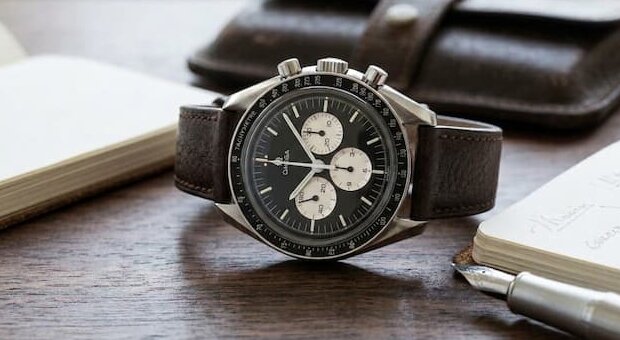
| Omega Speedmaster | Omega | 42mm | Automatic | 50m | 55 hours | New & Pre-owned | Chronograph |
| Longines Conquest | Longines | 41mm | Automatic | 100m | 64 hours | New & Pre-owned | Versatile sport |
| Tudor Black Bay 36 | Tudor | 36mm | Automatic | 150m | 70 hours | New & Pre-owned | Compact sizing |
| Breitling Endurance Pro | Breitling | 44mm | Quartz | 100m | N/A | New & Pre-owned | Lightweight |
How to use this list:
- Match lifestyle: pick dive models like Tudor Black Bay 58 for active use, or slimmer options like Longines Conquest for daily wear.
- Consider wrist size: smaller cases (36–39mm) suit narrower wrists, while 41–43mm fit broader ones.
- Factor new vs pre-owned: pre-owned often provides value while keeping luxury intact—check condition closely.
- Narrow by movement: automatic for tradition, quartz for low maintenance.
1. Tudor Black Bay 58: 39mm case, 200m water resistance, automatic movement (in-house MT5402), 70-hour power reserve. It’s a pick for its vintage dive proportions and everyday versatility.
2. Omega Seamaster Diver 300M: 42mm case, 300m water resistance, automatic movement, 55-hour power reserve. Ceramic bezel and wave dial make it a robust choice for adventure seekers.
3. Longines Hydroquest GMT: 41mm case, 300m water resistance, automatic movement (Calibre L844), 72-hour power reserve. Dual-time GMT adds travel utility to sporty design.
4. TAG Heuer Aquaracer: 43mm case, 300m water resistance, automatic movement (Calibre 5), 38-hour power reserve. Unidirectional dive bezel suits water activities reliably.
5. Breitling Superocean: 42mm case, 300m water resistance, automatic movement, 70-hour power reserve. Bold colors and strong build deliver dive prowess.
6. Grand Seiko GMT: 40mm case, 200m water resistance, Spring Drive movement, 72-hour power reserve. Zaratsu finishing offers precision and subtle elegance.
7. Omega Speedmaster: 42mm case, 50m water resistance, automatic movement, 55-hour power reserve. Iconic chronograph heritage fits casual to formal shifts.
8. Longines Conquest: 41mm case, 100m water resistance, automatic movement, 64-hour power reserve. Clean lines provide sport-elegant balance.
9. Tudor Black Bay 36: 36mm case, 150m water resistance, automatic movement, 70-hour power reserve. Compact size appeals for all-day comfort.
10. Breitling Endurance Pro: 44mm case, 100m water resistance, quartz movement, N/A power reserve. Ultralight construction excels in active scenarios.
Dive & Sports Watches: Best for Active Lifestyles
For swimmers, travelers, and anyone who values durability over delicate mechanics, dive and sports watches offer the reassurance of serious water resistance, robust construction, and legible dials designed for quick glances underwater or in bright sunlight. The dive watch category dominates the under $5,000 space because it combines genuine technical capability with everyday wearability—no special occasions required.
In this tier, water resistance typically ranges from 200 to 300 meters, which means genuine protection against snorkeling, swimming, and incidental splashes, though depths beyond 40 meters require diving certification and proper training. All models in this category feature an unidirectional dive bezel (a rotating outer ring you turn to track bottom time) and tough stainless steel cases designed to withstand daily impacts and salt water exposure.
Tudor Black Bay 58 and Black Bay 54: The Benchmark
Tudor Black Bay 58 and its smaller sibling, the Black Bay 54, set the standard for affordable, in-house-powered dive watches. The 58 offers a 39mm case with 200 meters of water resistance and an in-house MT5402 automatic movement—meaning Tudor manufactures the mechanism itself rather than relying on a third-party supplier. That in-house pedigree brings servicing confidence and a 70-hour power reserve, so you can leave it unworn over a weekend without rewinding. The 54 shrinks the case to 37mm, appealing to smaller wrists while keeping every technical advantage intact.
Pros:
- Compact and proportional: 39mm and 37mm sizes suit most wrists without the oversized, top-heavy feel common in larger dive watches.
- Exceptional power reserve: 70 hours means real-world reliability—grab it on Monday morning after two days off and it will still be running.
- Heritage appeal: Vintage-inspired design with modern reliability, so it works in boardroom meetings and beach trips equally well.
Cons:
- Bracelet fit: The Tudor Oyster bracelet can feel stiff out of the box; budget a week or two of wear to break it in.
- Limited dial options: Only a handful of dial colors available compared to Omega or Breitling, so customization is minimal.
- Case polishing: High-polish surfaces on the case sides show scratches more visibly than brushed finishes; expect patina if worn actively.
Omega Seamaster Diver 300M: The Established Choice
Omega’s Seamaster Diver 300M is the entry to one of watchmaking’s most storied dive lineups. At 42mm with 300 meters of water resistance, it leans slightly larger and deeper than Tudor’s offerings, making it ideal for genuinely ambitious water sports—think diving holidays rather than casual pool time. The automatic movement (Caliber 8800 in newer models) is reliable and accessible.
Pros:
- Proven legacy: Seamaster has been the professional dive watch for decades, so the design has been field-tested and refined relentlessly.
- 300m rating: Genuine confidence for diving and snorkeling beyond casual depth.
- Wave-pattern dial: The signature textured dial is visually striking and hides dust and scratches better than polished surfaces.
Cons:
- Case size: 42mm is larger and heavier than Tudor 58/54, so it can feel top-heavy on smaller wrists.
- Service costs: Omega repairs are generally pricier than Tudor or TAG Heuer equivalents.
- Lume fade: Super-LumiNova is bright initially but fades noticeably over years.
TAG Heuer Aquaracer: The Sporty Alternative
TAG Heuer’s Aquaracer is the sporty outlier—a watch that prioritizes wrist comfort and affordability while delivering full dive specs. At 41mm, with 300 meters of water resistance and a Calibre 5 automatic movement, it balances capability and value effectively. For anyone deciding between the best watch for under $5,000 with a sports-focused brief, Aquaracer often wins on raw wearability and dial legibility.
Pros:
- Comfort: Tapered bracelet and case geometry fit snugly without excessive heft; excellent for daily wear and gym sessions.
- Legible dial: Broad, simple hour markers and high-contrast indexes make reading time instantaneous in any light.
- Affordable servicing: TAG Heuer’s service network is extensive and generally costs less than Omega equivalents.
Cons:
- Heritage perception: TAG Heuer is newer to watchmaking than Tudor or Omega; some traditionalists view it as less prestigious despite identical technical specs.
- Dial simplicity: The straightforward design appeals to minimalists but lacks the distinctive visual character of Omega’s wave dial.
- Bracelet rattle: Some users report minor bracelet play on certain models; this tightens with break-in.
Practical Sizing for Active Wear
Sports watch sizing matters more than dress watch sizing because thickness and case diameter affect comfort during swimming and gym time. A 39mm Tudor Black Bay 58 sits compact and proportional on small-to-medium wrists, allowing full range of motion and eliminating the bulge under a wetsuit sleeve. A 41–42mm watch (Aquaracer or Seamaster) works best for medium-to-large wrists; on smaller frames, the case edge can catch your opposite wrist during backstroke or climbing, creating annoying friction. Bracelet comfort is also critical: ensure the end links sit flush against your wrist bone without twisting or leaving gaps, as any movement amplifies discomfort over hours of active wear.
Elegant & Dress Options: Timeless Style Under Budget
While sports watches dominate discussions on the best watches under $5,000, elegant and dress options from brands like Longines and Omega offer timeless appeal for office, events, and daily wear.
Dress watches at this level stand out through a slim profile for comfortable all-day wear, polished cases that catch light elegantly, and refined dial detailing like guilloche patterns or Roman numerals, which add subtle sophistication without overwhelming the design.
Key Anchors: Longines Master and Conquest, Omega DeVille
Longines Master Collection features a 40mm case with automatic movement, 100m water resistance, and refined dial finishing—balancing elegance with everyday durability. The Longines Conquest offers similar styling in a sport-elegant profile.
The Omega DeVille represents the classic dress-leaning choice, typically featuring a 38–39mm case with quartz or automatic movement, slim profile, and refined aesthetics suitable for formal occasions or business settings.
These models emphasize versatility, transitioning seamlessly from daily office attire to evening events, as their understated elegance avoids the bulkier feel of sports watches while maintaining durability for regular use.
Quartz vs Automatic Tradeoffs
Quartz options in these lines provide set-and-forget accuracy with low maintenance, while automatic versions add mechanical charm through self-winding action, though they require occasional wear to stay powered. Both fit under $5,000 and suit dress versatility.
Polished cases enhance the luxury look but show scratches more visibly than brushed sports finishes, a practical note for beginners to consider during daily wear.
Wrist Fit Scenarios for Dress Watches
Dress watches prioritize balanced proportions over robust sizing, differing from sports models by favoring slimmer cases for a discreet presence. Here are three concrete scenarios to guide your choice:
- Small wrists (under 6.5 inches circumference): Opt for 36–38mm cases like smaller Longines Master variants, which avoid overwhelming the wrist and maintain an elegant, proportional fit.
- Medium wrists (6.5–7.5 inches): Choose 39–40mm sizes from Omega DeVille or Longines Conquest, offering versatile presence that complements both cuffs and formal shirts without dominating the look.
- Large wrists (over 7.5 inches): Select up to 41mm cases in these elegant lines, providing scale and authority while keeping the slim profile that sets dress watches apart from chunkier sports designs.
Value for Money: How These Stack Up
When evaluating the best watch for under $5,000, structured comparisons reveal clear value leaders among our top picks. We assess them on practical criteria like movement reliability, power reserve, heritage, and ownership ease, helping beginners prioritize real-world fit over hype.
Tudor vs Omega Head-to-Head
Consider Tudor Black Bay 58 against Omega Seamaster Diver 300M as a direct matchup in the sports category.
- Movement reliability: Both feature proven in-house automatic movements—Tudor’s MT5402 and Omega’s Co-Axial calibre—built for daily reliability with minimal servicing needs in normal use.
- Power reserve: Tudor offers 70-hour power reserve, providing weekend-proof convenience. Omega typically offers 48–72 hour range depending on variant.
- Heritage: Omega brings deeper dive history tied to professional use, while Tudor leverages modern Rolex-family engineering with accessible brand story.
- Ownership practicality: Tudor suits broader daily wear with balanced water resistance needs; Omega excels for higher-activity demands.
Tudor offers excellent versatile value, while Omega maintains strong specialization for ambitious water sports.
Beginner Pitfalls to Avoid
Common mistakes erode value fast:
- Choosing oversized cases (over 42mm) that overwhelm smaller wrists or feel bulky daily.
- Ignoring WR needs—opt for 200–300m only if active near water; lower suits office wear.
- Underestimating maintenance: Automatic movements need periodic wear and service, unlike simpler quartz.
Choose X If… Decision Tree
Use this simple guide to match lifestyle to our top picks:
- Choose Tudor Black Bay 58 if you want a do-it-all sports watch for active days with 70-hour power reserve convenience.
- Choose Omega Seamaster Diver 300M if diving or high-adventure calls for maximum water resistance and professional heritage.
- Choose Longines Hydroquest GMT or Master Collection if office-to-travel versatility with elegant cues fits your routine.
- Choose TAG Heuer Aquaracer or Breitling Superocean if sporty bezels matter and you prefer bold dive styling.
- Choose Grand Seiko GMT if set-and-forget precision with unique Spring Drive technology appeals over winding.
This routes to automatic-heavy picks; consider quartz options for zero-maintenance simplicity.
Key Specs, Movements & Warranties Explained
Understanding the core specifications and warranty coverage behind your potential purchase removes confusion and helps you make a confident choice. This section breaks down the language and practical meaning of the specs you’ll encounter in our Top 10 picks.
Automatic vs Quartz: Which Movement Type Makes Sense for You?
The movement is the engine of your watch. The two most common types at the under $5,000 level are automatic and quartz, and each has distinct advantages.
Automatic movements (also called self-winding mechanical) use your wrist motion to wind an internal spring, which then powers the watch. Automatics typically have a power reserve of 48–72 hours, meaning they can run for that period without wrist movement before they stop. Most of our Top 10 picks feature automatic movements because they offer a tactile, engaging ownership experience and often cost less to produce than complex complications.
Quartz movements use a battery and a vibrating quartz crystal to keep precise time. Quartz watches are typically more accurate than automatics and require minimal maintenance—you replace the battery every few years. However, quartz watches at the luxury level are less common under $5,000, and many collectors prefer automatics for their mechanical craftsmanship heritage.
Choose automatic if you enjoy wearing your watch regularly and appreciate the mechanical tradition. Choose quartz if you prefer set-and-forget reliability and the lowest maintenance burden.
Water Resistance: What the Numbers Really Mean
Water resistance is measured in meters (m) and indicates how well a watch handles water exposure. This is not an absolute depth rating; it depends on pressure and movement.
- 30–50m: Splash resistance only (hand washing, light rain).
- 100m: Safe for swimming and snorkeling.
- 200–300m: Suitable for diving and high-impact water sports. In our Top 10 picks, the dive and sports cluster typically features 200–300m water resistance paired with unidirectional dive bezels for active lifestyles.
- Above 300m: Deep-diving capability; rarely necessary for daily wear.
Most luxury watches under $5,000 for everyday wear sit at 100m water resistance, which is sufficient for daily use. Choose 200–300m if you plan regular swimming, diving, or water sports; choose 100m or less for dress watches and occasional water contact.
Case Size, Materials & Crystal
Case size is measured in millimeters and directly affects how a watch wears on your wrist. Our Top 10 picks range from 37–42mm, with guidance on fit appearing in earlier sections.
Most luxury watches under $5,000 use stainless steel, which balances durability, cost, and weight. Some models introduce rose gold or two-tone options, which add visual warmth but also cost.
Sapphire crystal is the clear covering over the dial on virtually all watches in our picks. It is scratch-resistant and maintains clarity over time, making it a standard luxury feature and a practical advantage over mineral glass.
Power Reserve: How Long Your Watch Runs Off Your Wrist
Power reserve is how many hours or days an automatic watch can run after you stop wearing it, thanks to stored energy in its wound spring. A typical power reserve is 48–72 hours, meaning the watch stops if you leave it unworn for longer than that span.
In practice, a 70-hour power reserve (featured in models like the Tudor Black Bay 58) is notable because it allows the watch to survive a weekend without wearing it. A standard 48-hour reserve means you may need to wind it manually or wear it daily. If you have multiple watches in rotation, a longer power reserve adds convenience; if you wear one watch daily, the reserve matters less.
How to Read a Spec Sheet: A Beginner’s Checklist
When comparing models, check these five essentials:
- Case Size (mm): Does it fit your wrist?
- Movement Type: Automatic or Quartz? Understand the maintenance and engagement trade-off.
- Water Resistance (m): Does it match your lifestyle (swimming, diving, or daily wear)?
- Power Reserve (hours): How often will you wear it, and do you own multiple watches?
- Price: Confirm it stays under $5,000 across new and pre-owned markets.
Quick Glossary
| Term | Definition |
|---|---|
| Automatic | Self-winding mechanical movement powered by wrist motion; typical power reserve 48–72 hours. |
| COSC | Chronometer testing standard that certifies a movement’s accuracy within strict tolerances; a mark of quality. |
| Power Reserve | The number of hours or days an automatic watch runs after you stop wearing it, thanks to stored energy. |
Warranty Coverage: What You’re Protected Under
A manufacturer warranty covers defects in materials and craftsmanship for a set period. At the under $5,000 level, warranty length varies by brand and is an often-overlooked part of the buying decision.
Omega and Tudor offer 5-year warranties on new models. Other brands including Longines, TAG Heuer, Breitling, and Grand Seiko vary their coverage by region and retailer. Pre-owned watches may come with a retailer’s limited warranty (often 1–2 years) or none, depending on the seller.
Always verify current warranty terms with the retailer, as coverage can change. A longer warranty provides extra peace of mind for a first luxury watch.
New vs Pre-Owned: Smart Buying Guide
Choosing between new and pre-owned luxury watches under $5,000 requires weighing practical trade-offs like condition, warranty coverage, and long-term maintenance. This guide outlines the key differences and a step-by-step process to make informed decisions.
Pros and Cons of New vs Pre-Owned
Buying new offers factory-fresh condition and full manufacturer support, while pre-owned can provide access to desirable models at potentially lower entry points.
- New Pros: Full manufacturer warranty, pristine condition with no prior wear, complete original packaging and documentation, latest production standards for reliability.
- New Cons: Higher upfront cost, fewer vintage or limited-style options available.
- Pre-Owned Pros: Often better value for heritage models from brands like Tudor or Omega, opportunity for subtle patina that adds character over time.
- Pre-Owned Cons: Variable condition requiring inspection, shorter or no remaining manufacturer warranty, essential service history checks to avoid future costs.
Warranty considerations differ significantly: new purchases typically include the full manufacturer warranty period, while pre-owned watches may have limited or no factory coverage, shifting reliance to the seller’s guarantee or independent service.
Authenticity and Condition Verification
Beginners should prioritize independent checks for authenticity and overall condition to avoid counterfeits or hidden issues. Look for hallmarks like precise engravings, smooth movement operation, and matching serial numbers. Inspect the crystal for scratches, case for dents or polishing wear, and bracelet for stretch or links integrity. For condition, assess dial lume evenness, hand alignment, and bezel smoothness if applicable. Consult watch enthusiast forums, certification services, or professional appraisers—never skip these for unproven sellers.
Step-by-Step Purchase Checklist
Follow this practical checklist to evaluate new or pre-owned options:
- Decide new vs pre-owned based on your priorities (e.g., full warranty for new or value for pre-owned heritage pieces).
- Research brand heritage and target models from trusted sources to ensure under-$5,000 availability.
- Verify authenticity: check serial numbers, holograms, and movement via magnification; seek third-party authentication if unsure.
- Assess condition: examine for scratches, polishing marks, and functionality (e.g., smooth automatic winding or quartz accuracy).
- Review service history: request records showing recent servicing, as neglected pieces risk costly repairs—crucial for automatic movements needing regular upkeep.
- Confirm specs match needs: case size for wrist fit, water resistance for lifestyle, movement type (automatic for enthusiasts, quartz for low-maintenance).
- Evaluate warranty: full term for new, or seller’s coverage for pre-owned; factor in service history for reliability.
- Negotiate and finalize: ensure total price stays under $5,000, get all documents, and consider a trial wear period if offered.
Service history matters because it proves the watch has been maintained properly, preventing surprises like seized movements or water ingress in higher-water-resistance sports models—always demand documentation.
FAQ: Best Watch for $5000 Answered
Why choose luxury under $5,000?
A $5,000 budget unlocks real luxury from brands like Omega, Tudor, and Grand Seiko, offering Swiss craftsmanship, automatic movements, and strong water resistance without exceeding your budget. These watches provide heritage, durability, and daily versatility that feel premium.
What are the best brands under $5,000?
Top brands include Omega, Tudor, Breitling, TAG Heuer, Longines, and Grand Seiko. Standouts like the Tudor Black Bay 58, Omega Seamaster Diver 300M, TAG Heuer Aquaracer, and Longines Hydroquest GMT deliver value through reliable movements and 200–300m water resistance.
What are the top models under $5,000?
Our top five include the Tudor Black Bay 58 (39mm, 200m WR, 70-hour reserve), Omega Seamaster Diver 300M (42mm, 300m WR), Longines Hydroquest GMT (41mm, 300m WR, GMT function), TAG Heuer Aquaracer (43mm, 300m WR), and Breitling Superocean (42mm, 300m WR). All offer strong specs and versatility under budget.
Automatic vs quartz for beginners?
Automatic movements self-wind with wrist motion for a mechanical feel, ideal for enthusiasts, while quartz offers precise, low-maintenance timekeeping. Beginners may prefer automatic in picks like the Tudor Black Bay 58 for luxury appeal, but quartz suits set-and-forget daily wear.
New vs pre-owned under $5,000?
New watches come with full manufacturer warranties and complete service history; pre-owned offers similar models at potentially lower prices but requires verifying condition and authenticity. Both fit under $5,000—prioritize trusted sources to avoid pitfalls.
What key specs matter for daily wear?
Look for 200–300m water resistance for versatility, 48–72 hour power reserve, and case sizes around 37–42mm for comfort. Examples include Tudor Black Bay 58 (39mm, 200m WR, automatic) and Longines Conquest (41mm, 100m WR, polished case).
What warranties do these brands offer?
Omega and Tudor offer 5-year warranties on new models. Other brands vary coverage by region and retailer. Pre-owned watches may have limited or no factory coverage. Always verify current terms with your retailer.
Which is best for active lifestyles?
Tudor Black Bay 58, Omega Seamaster Diver 300M, and TAG Heuer Aquaracer excel with 200–300m water resistance, unidirectional bezels, and robust steel cases. They handle sports and daily use while staying under $5,000.