What Makes the Best Watch Brands Stand Out?
Understanding watch brands means looking beyond marketing and recognizing what truly separates an exceptional timepiece from the rest. While “best” is inherently subjective—what works for a daily tool watch differs from what matters in a dress watch or collector’s piece—there are consistent criteria that help beginners and enthusiasts make informed choices across every price tier.
The Four Criteria That Define Excellence
Heritage is the foundation. A brand founded decades or centuries ago has survived market shifts, wars, and technological change. Heritage means documented history: Rolex was founded in 1905 and revolutionized watchmaking with the Oyster waterproof case; Patek Philippe, established in 1839, built a reputation for complications and precision that persists today. This continuity signals reliability and commitment to craft.
Innovation and engineering separate leaders from followers. This can mean pioneering a movement type (like Seiko’s Spring Drive, which eliminates the traditional escapement), perfecting finishing techniques, or designing an iconic case shape. Innovation doesn’t always mean the newest—it means solving real problems or advancing what’s possible within mechanical constraints.
Quality encompasses build, finishing, and serviceability. A quality watch uses appropriate materials, has precise assembly, and is designed so parts can be serviced or replaced decades later. Quality also means reliability: the watch keeps accurate time and resists wear under normal use.
Value represents what you get for the money. In the luxury tier, value might mean heritage and investment potential. In the mid-range, it means reliable movement and design at a fraction of luxury prices. In the budget tier, value means durability and function without compromise. Value is always relative to price and tier.
Subjectivity and Your Priorities
No watch brand is objectively “the best” for everyone. A collector prioritizes heritage, rarity, and investment potential. An adventurer prioritizes water resistance and shock resistance. A professional needs elegance and legibility. This guide uses consistent criteria—heritage, innovation, quality, value—but applies them across three distinct tiers so you can find what fits your needs and budget.
Most watch guides over-index on luxury brands, leaving mid-range and budget options unexplored. This guide balances all three tiers equally, because the best watch for you might not be the most expensive.
Brand Comparison Overview
| Brand | Origin Country | Founded | Tier | Iconic Model | Key Feature |
|---|---|---|---|---|---|
| Rolex | Switzerland | 1905 | Luxury | Submariner | Oyster waterproof case |
| Patek Philippe | Switzerland | 1839 | Luxury | Nautilus | Masterful complications |
| Audemars Piguet | Switzerland | 1875 | Luxury | Royal Oak | Bold design with in-house movements |
| Omega | Switzerland | 1848 | Luxury | Speedmaster Moonwatch | Co-Axial escapement |
| Tissot | Switzerland | 1853 | Mid-Range | PRX | Accessible innovation |
| Seiko | Japan | 1881 | Mid-Range | Prospex Turtle | Spring Drive technology |
| Hamilton | USA/Switzerland | 1892 | Mid-Range | Khaki Field | Aviation heritage |
| Casio G-Shock | Japan | 1983 | Budget-Friendly | F-91W | Extreme durability |
The Three Tiers Explained
Luxury brands (typically $5,000 and up) emphasize heritage, limited production, and collectibility. These watches often appreciate in value or hold their price, and ownership grants entry to a community of enthusiasts. The trade-off: higher cost, longer wait times at retail, and service can be expensive.
Mid-Range brands (typically $300–$2,000) deliver quality movements, reliable designs, and often surprising innovation at accessible prices. These are the true daily drivers and the gateway to watch enthusiasm. The trade-off: less prestige and typically lower resale value than luxury, but far better value per dollar.
Budget-Friendly brands (typically under $500) prove that a solid watch doesn’t require five figures. This tier includes legendary tool watches and entry-level models from heritage brands. The trade-off: fewer complications, simpler movements, and typically quartz rather than mechanical options—but absolute reliability and affordability.
| Tier | Brands | Typical Price Range | Best For |
|---|---|---|---|
| Luxury | Rolex, Patek Philippe, Audemars Piguet, Omega | $5,000 and up | Collectors, heirloom pieces, investment-minded buyers, heritage seekers |
| Mid-Range | Tissot, Seiko, Hamilton | $300–$2,000 | Daily wearers, first serious watch buyers, those wanting quality without luxury prices |
| Budget-Friendly | Casio G-Shock, entry Seiko, entry Tissot | Under $500 | Tool watch users, beginners, casual wearers, those on tight budgets |
Your Pre-Purchase Checklist
Before committing to any watch brand, use this eight-point filter to ensure a good match:
- Heritage check: Does the brand’s story resonate with you? Do you care about founding date and legacy, or is it secondary?
- Fit wrist size: Will the watch sit comfortably on your wrist? Check case diameter and lug-to-lug length if possible.
- Water resistance: Does the watch meet your real-world needs? A desk diver needs 100 meters; a true diver needs 300 meters or more.
- Service needs: Can you access authorized service in your region? Are service costs reasonable for your budget?
- Resale potential: Do you care if the watch holds value? Luxury holds better; mid-range varies; budget-friendly is about function, not resale.
- Authenticity: Have you verified the seller and checked for counterfeits? Luxury brands are heavily faked.
- Try-on: If possible, handle the watch in person. Comfort and aesthetics matter for daily wear.
- Budget fit: Does the total cost (including tax, potential service, or straps) fit your financial plan without stretch?
You’ll return to this checklist as you narrow your choice in the selection section. Now, let’s explore the brands that excel at each tier.
Top Luxury Watch Brands
Among the best watch brands, luxury options set the standard for craftsmanship and legacy. These Swiss icons emphasize precision engineering and timeless appeal. Here’s a closer look at four standout examples.
Rolex
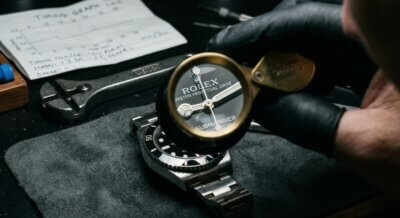
Founded in 1905 in Switzerland, Rolex built its identity on durable tool watches that withstand extreme conditions.
Iconic models include the Oyster Perpetual and Submariner, with the latter famously worn on expeditions to Everest and the deep sea, proving its rugged credentials.
A key innovation is the Oyster case, the first fully waterproof watch case, ensuring reliability in harsh environments.
Best for those seeking a status symbol with practical toughness and strong recognition. Skip it if you prefer understated designs or face tight budgets.
Typically $5,000 and up.
Patek Philippe
Established in 1839 in Switzerland, Patek Philippe earns acclaim for masterful complications that push horological boundaries.
The Nautilus collection stands out, born from a Gerald Genta design in 1976 that redefined luxury sports watches.
Its signature lies in intricate movements, often featuring advanced complications like perpetual calendars.
Best for collectors valuing generations of refinement and heirloom potential. Not ideal if you want bold colors or prioritize everyday wear over finesse.
Typically $20,000 and up.
Audemars Piguet
Founded in 1875 in Switzerland, Audemars Piguet blends tradition with bold innovation in high complications.
The Royal Oak, also designed by Gerald Genta in 1972, pioneered the luxury steel sports watch with its octagonal bezel and integrated bracelet.
A defining feature is its daring design language, paired with in-house movements of exceptional finishing.
Best for enthusiasts drawn to architectural aesthetics and exclusivity. Avoid if you dislike high visibility or seek maximum legibility in low light.
Typically $25,000 and up.
Omega
Originating in 1848 in Switzerland, Omega gained fame through precision and adventure-tested reliability.
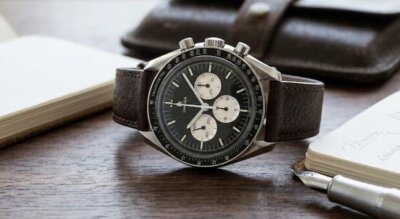
The Speedmaster, known as the Moonwatch, is iconic, chosen for NASA’s Apollo missions including the 1969 moon landing.
Its hallmark is the Co-Axial escapement in modern models, reducing friction for superior accuracy and longevity.
Best for those balancing heritage with technical prowess, like pilots or divers. Pass if you prefer minimalist dress styles or ultra-slim profiles.
Typically $3,000 and up.
Excellent Mid-Range Options
Mid-range watches deliver strong reliability and style at approachable prices, making them ideal for everyday users and those starting their watch journey. These options often match luxury in daily wear but trade off some finishing, prestige, and complex features for better value—what you get for the money.
Tissot
Founded in 1853 in Switzerland, Tissot built its identity on accessible Swiss watchmaking with a focus on innovation for broader audiences.
Iconic models include the PRX collection, known for its sleek, integrated bracelet design inspired by 1970s sports watches.
Key feature is accessible innovation, blending modern materials like ceramic in some models with reliable Swiss movements.
- Best for daily wear and entry into Swiss quality.
- Consider if you want versatile style without high service costs; avoid if seeking high complications.
Typically $300–$800.
Seiko
Founded in 1881 in Japan, Seiko pioneered dive watch heritage and Japanese craft in precision timekeeping.
Iconic models include Prospex divers and the Turtle series, rugged tools for real-world use.
Key feature is Spring Drive, a unique hybrid movement that combines mechanical reliability with quartz-like smoothness—a quartz-regulated mechanical system for exceptional accuracy without a battery.
- Best for tool watches and adventure.
- Consider if durability matters most. Avoid if you prioritize traditional Swiss prestige.
Typically $200–$2,000.
Hamilton
Founded in 1892 with USA roots but now Swiss-made, Hamilton draws from aviation heritage tied to military and pilot watches.
Iconic models include the Khaki field watches, blending military toughness with everyday readability.
Key feature is aviation-inspired engineering, focusing on robust cases and legible dials for pilots and explorers.
- Best for field and aviation enthusiasts.
- Consider if you value heritage storytelling; avoid if ultra-slim dress styles are your focus.
Typically $500–$1,000.
A classic mid-range daily driver example is the Seiko Prospex Turtle: tough enough for beach trips, with 200m water resistance and a comfortable fit for all-day office or casual use.
Compared to luxury, mid-range trades intricate finishing and brand prestige for matching reliability, timeless design, and versatility—ideal when service needs and try-on comfort align with your checklist, with fewer authenticity concerns at these levels.
Budget-Friendly Gateway Brands
Finding the best watch brands on a budget means accepting a different value proposition than luxury tiers, but it does not mean compromising on reliability or enjoyment. Budget-friendly watches excel at utility, durability, and teaching you what you actually want in a timepiece before investing heavily. They are often the smartest first purchase for beginners.
Casio G-Shock: The Indestructible Daily Companion
Casio, founded in 1957 in Japan, created the G-Shock line in 1983 as a digital watch designed to withstand extreme shock and impact. The identity is purely functional: water-resistant, drop-tested, and built from resin and stainless steel. The F-91W is perhaps the most iconic budget watch ever made—a simple digital quartz watch priced under $25 that has remained virtually unchanged for decades and appears in countless films and cultural moments.
What you get: extreme durability, water resistance suitable for swimming and snorkeling, a reliable quartz movement that needs no service, and a utilitarian aesthetic that works for active lifestyles. What you do not get: mechanical craftsmanship, prestige branding, or the emotional appeal of owning a “real” watch with a moving balance wheel. G-Shock is the gateway for people who want a tool, not a status symbol, and it is often the correct answer for outdoor work, travel, or as a beater watch you can throw in a backpack without worry.
Typical price range: under $100 for most models, often $20–$60.
Entry-Level Seiko: Japanese Reliability Without the Price
Seiko, founded in 1881 in Japan, is one of the few major watchmakers that produces models across every price tier. At the budget level, entry Seiko watches typically under $200 deliver genuine Japanese mechanical or quartz movements, solid case finishing, and a heritage brand name. Many include water resistance of 100–200 meters, suitable for daily wear and light swimming. The Seiko Turtle, a diver-style watch, is a widely recognized entry-level model known for robust design and loyal collector appreciation.
Why Seiko works as a gateway: it teaches you what a real movement feels like without the price tag of higher-tier models. You get serviceability—Seiko watches can be maintained by competent watchmakers worldwide—and genuine brand prestige. The downside is that you are not paying for finishing refinement or complications; cases are simpler, and dial work is straightforward.
Typical price range: $100–$300 for entry mechanical models.
Entry-Level Tissot: Swiss Quality at an Accessible Price
Tissot, founded in 1853 in Switzerland, offers budget-friendly watches with solid case construction and recognizable design heritage. Entry-level Tissot models provide quartz or simple mechanical movements at approachable prices.
The trade-off at this price point: you are buying the Tissot name and Swiss origin. Finishing is functional rather than refined. However, you gain credibility as a beginner—a Tissot is understood as a “real” watch, and the resale market recognizes it.
Typical price range: $200–$400 for entry models.
Why Budget-Friendly Is Sometimes the Best Choice
Budget watches serve a legitimate purpose: they are ideal for testing what you actually use. Many people buy their first watch and realize they prefer digital readouts, or they dislike wrist weight, or they never actually wear anything valuable because they worry about damage. A sub-$100 or sub-$300 watch answers these questions cheaply. A budget tool watch—such as a G-Shock for hiking, a Seiko Turtle for beach vacations, or a simple Tissot quartz for office work—often outperforms luxury alternatives for that specific use case because you will not hesitate to use it hard.
Budget watches also expose you to different design languages and movements. You might discover you love digital simplicity or that you prefer the tactile feel of a mechanical hand-wind, knowledge that guides better purchasing decisions later.
The Budget Checklist: Still Essential
Even at a budget price, the eight-item first-watch checklist still applies. Refer to the Pre-Purchase Checklist earlier for the full list. Budget brands often excel at transparency: a Casio G-Shock is virtually impossible to counterfeit profitably, and entry Seiko and Tissot models have clear documentation trails. This simplicity is a feature, not a limitation.
Iconic Features and What to Look For
When evaluating watch brands across tiers, focus on features that match your lifestyle. Key areas include water resistance, movements, and finishing, plus origin country as a style lens.
Water Resistance
Water resistance indicates how a watch handles moisture in daily life. For everyday wear like handwashing or rain, 50–100 meters suffices. Higher ratings around 200 meters support swimming, while 300 or more meters suit diving scenarios. Always consider real-world use rather than maximum specs alone.
Movements
The movement powers the watch and affects accuracy and longevity. Mechanical movements rely on springs and gears, often requiring service every few years. Quartz movements use battery power for precision and low maintenance. Higher-quality movements offer better regulation and resistance to shocks or magnets.
Finishing
Finishing refers to the polishing and decoration on cases, bracelets, and dials. In budget-friendly tiers, it prioritizes function. Mid-range adds brushed and polished contrasts. Luxury levels feature intricate engravings or hand-applied details, enhancing visual appeal and perceived craftsmanship as prices rise.
Country of Origin as a Style Lens
Origin shapes a brand’s heritage and design approach. Swiss-made watches emphasize precision engineering and complications. Japanese craft focuses on reliability and minimalist aesthetics. German watchmaking highlights meticulous assembly and classical proportions. View these as style influences, not strict quality measures.
Price Ranges by Tier
| Tier | Typical Range | Characteristics |
|---|---|---|
| Luxury | $5,000 and up | In-house complications, premium finishing, collectibility, scarcity |
| Mid-Range | $300–$2,000 | Reliable movements, classic designs, strong daily wear options |
| Budget-Friendly | Under $500 | Tool-focused designs, quartz or simple mechanical, extreme durability |
Glossary of Key Terms
- Tourbillon: A rotating cage for the escapement that counters gravity’s effect on accuracy, common in luxury complications.
- Escapement: The mechanism that delivers steady energy pulses to the balance wheel, regulating timekeeping.
- Zaratsu: Japanese polishing technique yielding mirror-like surfaces through manual buffing.
- Co-Axial escapement: A design reducing friction between parts for smoother operation and longer service intervals.
Choose If… Decision Guide
| Preference | Example Brand | Why It Fits |
|---|---|---|
| Adventure or tool watch | Omega Seamaster | Rugged builds with proven field history. |
| Dress or elegant style | Patek Philippe Calatrava | Timeless designs for formal settings. |
| Value and daily reliability | Seiko Prospex | Premium specs at accessible pricing. |
How to Choose Your First Watch Brand
What are the best watch brands for you depends on your lifestyle, budget, and what you value most in a timepiece. Rather than seeking a single “best” brand, the key is matching your priorities to the right tier and brand. This section walks you through a practical narrowing process, real-world scenarios, and the pitfalls to avoid along the way.
Step-by-Step Selection Framework
- Define your primary use. Will this watch be daily professional wear, an adventure companion, a dress piece, or a versatile do-everything tool? Your answer shapes whether you prioritize durability, water resistance, or aesthetics.
- Set your realistic budget. Consider the full cost including potential service and maintenance.
- Check heritage and brand story. Do you connect with a brand’s history and identity? This affects long-term satisfaction and resale potential.
- Verify water resistance matches your use. Daily office wear needs 30–50 meters; recreational swimming and snorkeling require at least 100 meters; serious diving demands 300 or more meters.
- Assess serviceability. Where can you access authorized service, and is it practical for your location?
- Consider long-term value. Some brands and models hold value better than others, but outcomes vary based on market demand and condition.
- Plan to try on in person. Wrist size, lug-to-lug distance, and how a watch feels matter more than specs. A watch that doesn’t suit your wrist won’t satisfy you, regardless of prestige.
- Verify authenticity before purchase. Buy from authorized retailers, check serial numbers and documentation, and familiarize yourself with red flags such as misspelled logos, loose components, and inconsistent dial finishing. Counterfeit watches flood the market, particularly at luxury price points.
Three Real-World Scenarios
| Scenario | Recommended Tier and Brand Examples | Why |
|---|---|---|
| Office and Daily Professional Wear | Mid-Range (Tissot, Seiko) or Luxury (Omega) | You need reliable timekeeping, a polished appearance, and a watch that pairs with business attire. Mid-range brands offer excellent finishing and heritage at accessible prices; luxury options provide prestige if budget allows. Daily wrist time makes durability essential. |
| Dive Trip or Adventure-Oriented Use | Mid-Range (Seiko Prospex) or Luxury (Rolex Submariner, Omega Seamaster) | Water resistance, legibility, and rugged reliability are non-negotiable. Mid-range tool watches deliver serious capability at a fraction of luxury cost and are easier to use without worry. Luxury dive watches offer iconic heritage and superior finishing if you want a lifetime piece. |
| Formal Event or Dress-Focused Wear | Mid-Range (Tissot dress models) or Luxury (Patek Philippe Calatrava) | Elegant design, thin profile, and refined finishing matter more than water resistance. Mid-range dress watches balance aesthetics and affordability; luxury dress watches are timeless heirlooms. A dress watch typically spends time protected, not exposed to hard use. |
Common Pitfalls to Avoid
Counterfeits are pervasive, especially at luxury price points. Red flags include misspelled brand names or logos, loose components, dial printing that appears blurry or uneven, and prices far below market average from unknown sellers. Always purchase from authorized dealers or reputable second-hand brokers with authentication services.
Budget for service and maintenance. Mechanical watches require periodic servicing, while battery replacements, crystal polishing, and other maintenance add costs over time. Account for these in your total cost of ownership.
Do not assume investment returns. Watches are personal items first, potential assets second. Some models and brands often hold value better, but watch values fluctuate with market trends, condition, and supply. Never purchase a watch primarily expecting guaranteed appreciation; that mindset leads to poor choices.
Avoid impulse purchasing based on online hype alone. Visit an authorized retailer, try watches on your wrist, and live with the idea for a week before committing. Wrist fit, case thickness, and how the watch interacts with your arm are impossible to judge from photos.
Investment and Value Retention Basics
Some luxury brands and iconic models are known for holding value well over time, particularly certain sports watches and dress pieces from heritage brands. Mid-range brands retain a percentage of their original value if cared for and kept in good condition. Budget-friendly watches are best viewed as tools you enjoy wearing, not financial instruments.
Value retention depends on condition, rarity, market demand, and whether the watch remains in production. Outcomes vary widely based on these factors. Do not count on resale value when budgeting your initial purchase.
FAQ: Best Watch Brands Answered
What makes a watch brand “best”?
A watch brand earns recognition through heritage, innovation in engineering, build quality, and value relative to its tier. These factors are subjective and depend on your priorities like daily reliability for beginners or complications for collectors. The three tiers—Luxury, Mid-Range, and Budget-Friendly—each excel differently based on what you seek.
Rolex vs. Omega for beginners?
Both offer strong entry points in the Luxury tier. Omega suits beginners well with versatile models like the Seamaster and heritage tied to exploration. Rolex demands longer waitlists and higher premiums, though its Submariner remains iconic for tool-watch fans.
Best mid-range brands under $1,000?
Mid-Range brands like Tissot, Seiko, and Hamilton deliver reliable Swiss or Japanese craft in this price bracket, ideal for everyday users. They balance heritage and modern features without luxury markups.
Do watches make good investments?
Certain Luxury models from established brands often hold value better than average due to demand and scarcity, but no guarantees exist—market shifts happen. Treat watches as enjoyment first; resale depends on condition, trends, and timing. Review the price tier tables in this guide for context on value across different tiers.
How to spot fakes?
Counterfeit avoidance starts with buying from authorized dealers and checking for red flags like poor weight, sloppy engraving, or incorrect movements. Inspect serial numbers, documentation, lume quality, and dial finishing. Avoid deals that seem too good for the tier.
Luxury vs. mid-range differences?
Luxury brands emphasize in-house complications, premium finishing, and prestige, while Mid-Range focuses on accessible reliability and classic designs using proven movements. Trade-offs include higher service costs in Luxury versus everyday durability in Mid-Range.
Are Japanese brands as good as Swiss?
Japanese craft from Seiko excels in innovation like Spring Drive and value, rivaling Swiss-made reliability without the prestige premium. Both deliver quality; choice depends on style preferences and what matters most to you.
What are the best watch brands for beginners?
Beginners benefit from mid-range brands like Tissot, Seiko, and Hamilton, which offer quality and heritage without luxury costs. Budget options like entry Seiko or Casio G-Shock teach you what you value before investing heavily. Use the Pre-Purchase Checklist and tier tables to find your match.