What Makes a Watch Brand “Popular”?
When exploring popular watch brands as a beginner, it’s helpful to start with a clear definition. Popularity among top luxury watchmakers isn’t just about fame—it’s a blend of measurable factors like sales volume, global recognition, prestige, strong resale value retention, rich heritage, and practical accessibility. This multi-factor view ensures the best watch brands profiled in this guide offer real appeal for first-time buyers in the luxury segment, which generally starts at $1,000 and above.
Sales and market dominance provide the strongest data-driven proxy for popularity. For instance, Rolex commands about 32% market share in the luxury segment based on a 2024 Morgan Stanley report, underscoring its scale in a market where Swiss brands dominate roughly 95% of production and sales for watches over $1,000. This Swiss watch industry leadership shapes what most people envision as luxury watchmakers, emphasizing precision craftsmanship tied to centuries-old traditions.
Recognition often outpaces exclusivity, meaning a brand can be hugely popular even with retail waiting lists. Heritage acts as a credibility signal—brands founded over a century ago, like many Swiss icons, signal reliability through proven track records. Beginner-relevant metrics round this out: excellent value retention on the secondary market, reasonable availability, and entry prices that feel attainable without sacrificing quality.
Major industry ownership groups like the Swatch Group, Richemont, and LVMH play a supporting role by handling global distribution and strategic positioning, amplifying a brand’s reach without overshadowing its individual identity.
Here are the key popularity signals used throughout this guide:
- Sales/market dominance: High unit sales and share, like Rolex’s leading position based on 2024 Morgan Stanley reporting, reflect broad demand.
- Swiss dominance in luxury segment: Capturing ~95% of $1,000+ watches, explaining why Swiss names lead most discussions of popular brands.
- Recognition vs exclusivity: Widespread awareness, even for models hard to get at retail via authorized dealers (ADs, or official retailers).
- Heritage: Longevity (e.g., founding dates over 100 years) as a trust factor for craftsmanship and innovation.
- Value retention/resale: Models that hold or gain value on the pre-owned (used) market, appealing to cautious beginners.
- Availability: Balance of waiting lists for hot models versus readily purchasable options.
- Entry price: Accessible watches exist from $1,500 upward, depending on brand and movement type.
The “Holy Trinity” of Haute Horlogerie
Haute horlogerie refers to the pinnacle of fine watchmaking, characterized by exceptional craftsmanship, innovative complications, and artistic finishing that goes beyond everyday timekeeping. Beginners often hear about the “Holy Trinity” of watchmaking—a prestigious trio of top luxury watchmakers known for unmatched heritage, in-house movement mastery, and expertise in complex features. Specifically, these brands are known for grande complications—advanced features like perpetual calendars (which account for leap years automatically) and tourbillons (rotating cages that counter gravity for precision): Patek Philippe, Audemars Piguet, and Vacheron Constantin. These brands represent the ultimate in prestige but set clear expectations: they are typically not a first purchase due to their high prices, limited availability through waiting lists and relationship-based buying at authorized dealers, and appeal to seasoned collectors.
Patek Philippe
Founded in 1839 in Geneva, Patek Philippe embodies generational ownership with its famous slogan: you never actually own one; you merely care for it for the next generation. The brand focuses on complications—advanced functions like calendars or chimes beyond basic timekeeping—and commands an average price well above $40,000, positioning it firmly in the haute horlogerie tier. Its sport-luxury icon, the Nautilus, blends refined elegance with robust construction, often trading above retail due to demand. For deeper insights, explore Patek Philippe’s legacy and models.
Audemars Piguet
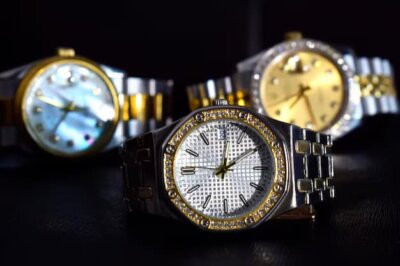
Established in 1875 in Le Brassus, Switzerland, Audemars Piguet stands out for its bold design identity and technical prowess. The Royal Oak, designed by Gerald Genta in 1972, marks over 50 years of design leadership and remains one of the most coveted integrated-bracelet sports watches ever created, anchoring its fame at an average price over $37,000. This model’s enduring popularity drives premiums on the secondary market. Check out detailed coverage in our Audemars Piguet models overview.
Vacheron Constantin
The oldest continuously operating watchmaker since 1755 in Geneva, Vacheron Constantin offers “underrated” prestige with profound craftsmanship depth across dress and sports styles. The Overseas serves as its refined sports watch, echoing luxury versatility while showcasing in-house movements. Like its Trinity peers, it emphasizes heritage and subtlety over hype.
What earns these three the “Holy Trinity” title is their shared commitment to centuries-old traditions, fully in-house movements, and leadership in grande complications—highly intricate mechanisms that showcase the pinnacle of horology.
These brands show strong value retention, often selling above retail on the secondary market, but past performance does not guarantee future results—consult professionals for personalized advice rather than treating them as investments.
Should a Beginner Start Here?
Usually no—these haute horlogerie icons demand significant budgets, patience for access, and an appreciation built over time. Newcomers fare better with accessible luxury options covered later in this guide, like the beginner’s roadmap, to match your lifestyle without overwhelming entry costs.
Rolex: The Market Leader
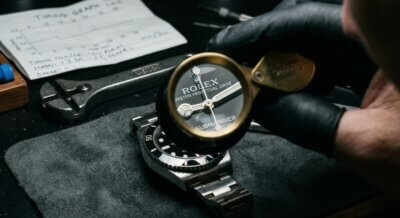
Rolex commands the luxury watch market with a dominance unmatched by any other brand. Based on 2024 market reporting, Rolex holds approximately 32% of the global luxury watch market share, generates over $12 billion in annual sales, and produces roughly 1 million watches per year. For beginners, this scale matters because it signals consistency, availability compared to ultra-exclusive brands, and widespread cultural recognition that translates into reliable resale value.
Founded in 1905 by Hans Wilsdorf in Geneva, Rolex built its reputation on innovation and reliability. The brand introduced the Oyster case—a hermetically sealed, waterproof design that pioneered diving watch capability—in 1926, and the Perpetual rotor—an automatic winding mechanism that powers the watch through wrist motion—shortly after. These weren’t luxury gimmicks; they solved real problems for divers, explorers, and professionals. That engineering-first philosophy, combined with strict in-house manufacturing and quality control, remains Rolex’s identity today. Every watch is made to exacting standards, and the brand’s refusal to compete on price or trendy aesthetics means Rolex watches age gracefully rather than falling in and out of fashion.
Rolex’s iconic models map directly to lifestyle needs, making them easy for beginners to navigate:
- Submariner: the definitive dive watch, equally at home underwater or in the boardroom
- Daytona: a chronograph (stopwatch function) originally designed for racing, now one of the most coveted watches in the world
- GMT-Master II: a travel watch with a second time zone, born from Rolex’s partnership with airline pilots
- Datejust: the everyday classic, combining elegance with robustness, available in many sizes and materials
- Yacht-Master: a sport-luxury alternative for those wanting something less common than the Submariner
Understanding Rolex pricing and access is crucial for beginners. A new Submariner at an authorized dealer typically costs $8,000 to $9,500, depending on material and condition of the model. However, the secondary market and grey market (non-authorized dealers selling new or near-new watches) frequently list the same model at higher prices. This gap exists because demand far exceeds supply at retail; authorized dealers maintain waiting lists, and allocation is controlled. A buyer who purchased a Submariner at retail for approximately $8,000 in prior years has seen some examples trade at $13,000–$15,000 on the secondary market after several years, though individual outcomes vary widely by condition, market timing, and specific variant. Not all Rolex models behave this way; steel sports watches outperform dress models in resale, and certain limited editions command premiums while others do not.
Grey market pricing and waiting list dynamics are often misunderstood by newcomers. When you buy from an authorized dealer, you pay retail price, receive a full warranty, and support the brand’s ecosystem. Authorized dealers, however, limit purchases and maintain internal waiting lists to manage demand. Grey market dealers (who are legitimate but do not have official authorization) are unpredictable: some advertise below-retail pricing on paper but add fees or remove warranty benefits, while others list at or above retail with no official support—making grey purchases unpredictable without expert knowledge. For beginners, authorized dealers remain the safest entry despite longer waits.
Rolex’s cultural visibility—from James Bond films to social media—amplifies its status but also invites hype cycles. Celebrity endorsements and pop culture appearances are real, yet they drive price premiums that may not reflect engineering superiority. Beginners should recognize that buying a Rolex because it appears in a movie is different from buying it because it suits your lifestyle and budget. The watch will still function superbly, but the emotional driver matters for long-term satisfaction.
Several myths deserve immediate clarification. First, not all Rolex watches are hard to obtain; many Datejust and Submariner variants are available at authorized dealers within a few months if you are patient and flexible on color or material. Second, the steel sports watches (Submariner, GMT-Master II, Daytona) have much stronger resale dynamics than precious metal or dress models; a gold Datejust may hold value but will not appreciate at the same rate as a steel Daytona. Third, buying grey market to save $500 upfront often backfires if you later need warranty service or decide to resell; authentication hassles and missing warranty documentation can cost more than you saved. Finally, Rolex watches are durable tools, not lottery tickets; while value retention is a genuine advantage over many brands, viewing them purely as investments often leads to poor buying decisions and regret.
Rolex is ideal for buyers who value recognition, durability, and resale confidence, and who can afford the entry price. A new Rolex is a substantial purchase—typically $6,000 to $12,000 for steel sports models—and makes sense if you plan to wear the watch regularly for years. If your budget is under $5,000 or you want to explore luxury watches before committing to Rolex’s premium, consider entry-level alternatives like Tudor, Longines, or Omega, which offer excellent quality at lower price points and often provide better availability without waiting lists. For those seeking haute horlogerie (the highest level of watchmaking complexity and prestige), Rolex’s sports watches sit below the Holy Trinity in terms of exclusivity and complication, but they surpass that trio in practical wearability and value retention—a trade-off that favors real-world enjoyment.
Beginner Takeaway
Rolex is the safest first luxury watch if you have the budget, prefer recognizable heritage, and want strong resale optionality. However, patience and authorized dealer channels are essential; chasing grey market deals or uncommon models often introduces unnecessary risk. If you are uncertain about committing $8,000 to a steel sports watch, or if you want to test the luxury watch market first, explore Tudor (Rolex’s sister brand, offering 80% of Rolex quality at 50% of the price) or Omega (a comparable Swiss competitor with different design DNA and strong long-term value). A detailed buying guide on Rolex models and purchasing strategies is available to help you navigate waiting lists and model selection.
Cartier & Omega: The Accessible Luxury Tier
Cartier and Omega represent accessible entry points into serious luxury watchmaking, offering heritage and recognition without the extreme price tags or scarcity of the Holy Trinity. Both brands offer genuine craftsmanship at price points far more attainable than Patek Philippe or Audemars Piguet, yet they maintain strong resale value and cultural cachet. Each has carved a distinct identity: Cartier as a design-forward jeweler, Omega as a precision engineer with space-age credentials.
Cartier: Design Icon and Collector Favorite
Cartier is not primarily a watchmaker—it is a jeweler that makes watches, and that distinction shapes everything about the brand. Founded in Paris in 1847, Cartier built its reputation on exceptional design and jewelry-quality finishing. When you buy a Cartier watch, you are investing in an aesthetic statement as much as a mechanical one, which explains why the brand appeals equally to first-time luxury buyers and seasoned collectors.
Cartier’s average retail price hovers around $6,500, positioning it comfortably in the accessible luxury range. The brand generates roughly $3.6 billion in annual sales globally, making it one of the most visible luxury watch names outside of Rolex and Omega. This visibility translates to strong availability at authorized dealers and relatively healthy secondary-market demand.
The brand’s iconic models tell the story of modern design. The Tank, launched in 1917 and inspired by military tank silhouettes, remains one of the most recognizable watch designs ever created. It is purely a dress watch—elegant, understated, and equally at home in a boardroom or evening setting. The Santos, originally designed by watchmaker Louis Cartier in 1904 for pioneering aviator Alberto Santos-Dumont, blends sportiness with sophistication and comes in both rectangular and round iterations. The Ballon Bleu, a more recent addition, uses a distinctive domed crystal and blue sapphire crown that signal Cartier’s jewelry heritage. Each is immediately identifiable and holds its appeal across decades.
Value retention for Cartier watches is classified as moderate to high. Vintage Cartier Tank models, in particular, have appreciated noticeably on the secondary market, driven partly by fashion-forward collectors and partly by the model’s timeless design. Expect current production Cartier watches to trade near retail or modestly above, depending on the specific model and market conditions. Unlike Rolex, Cartier does not command extreme premiums, but strong collector demand means your watch is unlikely to lose significant value if purchased at retail from an authorized dealer.
Omega: Precision, Heritage, and Everyday Reliability
Omega is the engineering answer to Cartier’s design-first philosophy. Founded in Switzerland in 1848, Omega built its empire on precision chronometry and accuracy certifications. The brand generates approximately $2.7 billion in annual sales, with an average retail price around $7,600, placing it slightly higher than Cartier but well within the accessible luxury bracket.
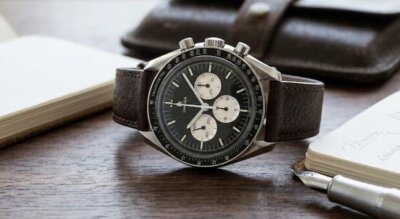
Omega’s cultural capital rests on two pillars: the Speedmaster and the Seamaster. The Speedmaster is the watch that went to the moon. In 1965, NASA selected the Speedmaster Professional for the Gemini missions, and it became the only watch certified for extravehicular activity (spacewalk) in 1971 when Buzz Aldrin wore it on the lunar surface. That heritage is not marketing fluff—it underscores Omega’s credentials for precision under extreme conditions. Today, the Speedmaster Professional remains largely unchanged from that original design, a nod to the principle that a proven tool does not need reinvention.
The Seamaster is Omega’s versatile athlete. Waterproof to significant depths, capable of everyday wear, and available in countless configurations, the Seamaster appeals to divers, travelers, and anyone seeking a robust companion watch. The Seamaster’s association with James Bond has cemented its cultural status, but the watch’s popularity stems from practical durability and real-world wearability, not celebrity endorsement alone. Whether you need a tool watch for adventure or a stylish daily-wear piece, Omega offers a Seamaster variant.
The third pillar is the Constellation, a dress-watch line launched in 1952. While less iconic than the Speedmaster or Seamaster, the Constellation serves the same function as the Cartier Tank: it is a refined, wearable-anywhere timepiece with immediate recognition among watch enthusiasts.
Omega’s technical identity centers on precision and reliability. The brand’s Co-Axial escapement, introduced in the 1990s, reduces friction and wear compared to traditional lever escapements, theoretically extending service intervals. More importantly for buyers, Omega watches undergo Master Chronometer certification testing by METAS (the Swiss Federal Institute of Metrology), which verifies precision, water resistance, and magnetic resistance under rigorous lab conditions. This certification is Omega’s answer to the question “How do I know this watch is actually as good as claimed?” For beginners anxious about making the right choice, METAS certification provides tangible assurance.
Omega’s secondary-market performance is steady and moderate. Unlike Rolex, Omega watches do not typically appreciate above retail, but they hold value well. A vintage Omega Speedmaster from the 1970s or 1980s can be highly collectible, especially if it retains its original bracelet and documentation. Current production Omega watches trade at or slightly below retail on the pre-owned market, making them accessible entry points if you are willing to buy second-hand from a trusted dealer.
Which One Fits Your Lifestyle?
Choosing between Cartier and Omega depends on how you plan to wear your watch and what priorities matter most.
- Choose Cartier if you value design as a primary feature, if you prefer dress-watch elegance over tool-watch functionality, or if you want a watch that works equally well as a jewelry piece at formal events. Cartier also appeals if you like the idea of a design heirloom that transcends “watch collecting” into aesthetic culture.
- Choose Omega if you want a watch that can genuinely handle adventure—whether diving trips, hiking, or travel—without sacrificing elegance. Omega is the better pick if you value engineering transparency, precision certification, and the ability to wear the same watch in the office and at the beach. The Speedmaster is also the obvious choice if you are drawn to space history and cultural icons.
- Both brands offer strong resale value and authorized dealer availability at a global level. Both have entry-level models under $5,000 and aspirational pieces north of $10,000. If you are torn, consider this: Cartier rewards aesthetic appreciation; Omega rewards capability and confidence in the watch’s performance under real-world conditions.
For most beginners, accessible luxury brands like Cartier and Omega offer the sweet spot between prestige, practicality, and price. You are buying a watch that the broader world recognizes as a luxury piece, yet you avoid the extreme price tags and scarcity battles of the Holy Trinity or Rolex sports models.
The Rising Stars: Audemars Piguet & Richard Mille
Audemars Piguet and Richard Mille represent contemporary prestige in the extreme luxury tier, popular for their bold designs and cultural visibility among collectors and celebrities, yet they remain unrealistic for most first-time buyers due to high barriers like long waiting lists and relationship-based access at authorized dealers.
Both brands stand out as family-owned independents with innovative positioning that drives collector demand, setting them apart from larger groups while commanding strong secondary market interest.
Audemars Piguet: The Royal Oak Legacy
Founded in 1875 in Le Brassus, Switzerland, Audemars Piguet achieved $2.7 billion in sales with an average price around $55,000, based on a 2024 Morgan Stanley report.Audemars Piguet gained fame through the Royal Oak, designed by Gerald Genta in 1972, featuring its iconic tonneau case and integrated bracelet that redefined luxury sports watches.
The Royal Oak’s bold, angular design and high-end finishing, including skeletonization in many models, dominate the brand’s output and carry cultural cachet in modern celebrity and hip-hop scenes.
Its 50th anniversary in recent years added to the momentum, with pieces often trading near retail or at a slight premium on the secondary market.
Richard Mille: Ultra-Exclusive Sports Engineering
Established in 2001, Richard Mille operates in an ultra-high-net-worth tier, posting $1.77 billion in sales at an average of $310,000, per 2024 Morgan Stanley data.
The brand’s sports-tech vision emphasizes lightweight materials, extreme durability, and avant-garde skeletonization, inspired by racing and aeronautics, with partnerships like Rafael Nadal anchoring its cultural appeal among elite athletes.
Historically, some Richard Mille pieces have traded above retail; however, the ultra-luxury market is volatile and past trends do not predict future outcomes. Buyers should treat any piece as a personal acquisition, not a value-retention bet.
Why They’re Popular
- Innovative designs that blend haute horlogerie complications with sports aesthetics, appealing to collectors seeking statement pieces.
- Strong cultural presence without mass production, fostering exclusivity and resale interest.
- Family-owned status signals independence and focused craftsmanship.
Why They’re Not a First Watch
- Waiting lists often span 5–10 years, requiring established relationships with authorized dealers.
- High entry prices and maintenance costs limit practicality for everyday wear or beginners.
- Secondary market premiums add risk; start in accessible luxury tiers to learn the market before exploring these.
For beginners, these brands highlight aspirational goals—build experience with more attainable popular watch brands first, then consider them later as your collection grows.
Value & Heritage Alternatives: Longines, Breitling, Tudor
While Rolex, Patek Philippe, and Omega command headlines, a deeper bench of respected watchmakers offers compelling entry points into luxury horology without the waiting lists, extreme markups, or beginner anxiety. Longines, Breitling, and Tudor each bring strong value-to-quality ratios, credible heritage spanning over a century, and genuine daily-wear capability. For many first-time luxury buyers, these brands represent the sweet spot between accessibility and authenticity.
Longines: Swiss Precision at the Entry-Level Gateway
Longines, founded in 1832 in Saint-Imier, Switzerland, occupies a unique position in the watch ecosystem. With annual sales around $1.28 billion and an average retail price of approximately $2,200, Longines has become the de facto entry point into genuine Swiss luxury watchmaking. The brand is part of the Swatch Group, which ensures manufacturing rigor and quality control comparable to far pricier competitors.
Longines built its reputation on precision chronometry and aviation heritage. The brand has supplied timekeeping instruments to pilots since the early 1900s and continues to sponsor aviation events and competitions. This heritage translates into practical benefits: Longines watches are engineered to perform under demanding conditions, yet remain highly legible and comfortable for everyday wear.
The brand’s core collections—particularly the HydroConquest and Master Collection—demonstrate this philosophy. The HydroConquest is a practical dive-style watch with a ceramic bezel, luminous hands, and reliable quartz or automatic movements, often priced between $1,500 and $2,500 at authorized dealers. It competes favorably against similarly priced dive watches from larger brands by offering robust construction, excellent water resistance (typically 300 meters), and clean, functional aesthetics. The Master Collection leans toward dress-watch territory with refined proportions and leather straps, appealing to those who want luxury without sportiness.
Longines movements are often quartz or automatic in-house calibers, sometimes carrying COSC chronometer certification, which confirms timekeeping accuracy to rigorous standards. The brand rarely employs the boutique prestige tactics of larger competitors; instead, Longines watches are widely available through authorized dealers, making them accessible for first-time buyers who value transparency and authentication certainty.
Breitling: Chronographs and Aviation for Specialists
Breitling, founded in 1884 in Grenchen, Switzerland, commands annual sales of approximately $969 million with an average retail price near $8,400. The brand occupies a different market tier than Longines, positioning itself as a specialist maker of chronographs and aviation instruments. For buyers drawn to mechanical chronographs—watches with manual stopwatch functions—Breitling remains one of the few luxury brands that embrace this complication as a core identity.
The Navitimer, Breitling’s flagship model, exemplifies this positioning. Introduced in 1952 and still in production, the Navitimer combines a chronograph with a slide rule bezel designed for pilots to perform quick calculations mid-flight. While few modern users need this function, the Navitimer’s iconic status and mechanical complexity make it a collector favorite. Breitling also produces the Chronomat and SuperOcean collections, each targeted at different user personas: precision timing, diving, or general luxury sports wear.
Breitling operates nearly all its watches with in-house movements—a significant advantage in terms of brand control and spare-parts availability. In-house movements mean Breitling controls every aspect of reliability and spare-parts availability. Many Breitling watches achieve COSC certification or carry Master Chronometer accreditation, a proprietary Breitling standard. COSC certification verifies accuracy to high standards, giving you confidence the watch performs as marketed. The secondary market for Breitling watches remains relatively strong, particularly for discontinued models and limited editions, though price appreciation is moderate compared to Rolex or Patek Philippe. For beginners, Breitling is best suited to those with a genuine interest in chronographs or aviation aesthetics rather than those seeking a first everyday luxury watch.
Tudor: Rolex’s Younger Sibling Comes of Age
Tudor’s centennial in 2026 marks a moment for the brand to highlight its evolution from Rolex’s affordable sibling to an independent watchmaker with earned prestige and strong collector following. Founded in 1926 by Hans Wilsdorf (the founder of Rolex) as a more affordable alternative to his flagship brand, Tudor spent decades shadowed by the “poor man’s Rolex” label. That narrative, however, no longer reflects reality.
Over the past decade, Tudor has aggressively repositioned itself as a distinct watchmaker with its own identity, design language, and manufacturing standards. The brand’s current lineup emphasizes robust tool watches and dive instruments with competitive pricing—typically $3,000 to $4,000 at retail—and strong collector momentum. Annual context-setting: Tudor’s growth trajectory has been steady, and the brand’s accessibility combined with its genuine engineering quality has earned near-universal respect from watch enthusiasts.
The Black Bay collection, introduced in 2012 and continuously refined, exemplifies this transformation. The Black Bay 58—a smaller, vintage-inspired dive watch with a 39mm case, ceramic bezel, and in-house automatic movement—has become a benchmark first luxury watch for many buyers. It costs roughly $3,500 at retail, offers full water resistance for genuine diving or swimming, runs a reliable COSC-certified movement, and holds secondary-market value well. Unlike waiting months for a Rolex Submariner, a Tudor Black Bay is readily available through authorized dealers, removing friction from the buying process.
Tudor also produces the Pelagos, a tool-focused dive watch with a titanium case and a helium valve (a feature borrowed from professional saturation diving), and the Chronograph, a mechanical stopwatch model. The brand’s philosophy—”Born to Dare”—reflects practical durability rather than prestige gatekeeping. For beginners, this approachability is a feature, not a weakness.
A practical point of clarification: Tudor and Rolex share manufacturing oversight and some heritage, but Tudor does not simply repackage Rolex designs at lower prices. Tudor movements are developed in-house at the brand’s Manufacture in Geneva, cases are built to distinct specifications, and the aesthetic identity is intentional and coherent. The Rolex connection provides confidence in quality control; it does not make Tudor a shortcut.
Quick Comparison: Rolex vs. Tudor vs. Omega on Price, Availability, and Vibe
- Rolex: $10,000–$15,000+ average retail; often requires waiting lists or grey market purchase; positioned as the prestige standard; strong secondary market but premium pricing can limit newer buyers.
- Tudor: $3,000–$4,000 average retail; widely available at authorized dealers with minimal wait; positioned as attainable luxury with credible engineering; good secondary-market stability without extreme markups.
- Omega: $5,000–$8,000 average retail; good availability at authorized dealers; positioned as a precision brand with space-heritage credibility; moderate secondary-market strength and strong technical innovation story.
For a first luxury watch, Tudor typically wins on ease of purchase and value-to-quality ratio. Omega wins for those valuing Swiss precision and heritage storytelling. Rolex wins for pure brand recognition but requires patience or grey-market navigation.
For a deeper comparison of how these brands stack up in real-world ownership, a detailed guide to Tudor Black Bay models and a side-by-side Rolex versus Tudor analysis can help you narrow your choice.
Japanese & German Excellence: Grand Seiko & A. Lange & Söhne
While Swiss brands dominate conversations around popular watch brands and top luxury watchmakers, Japanese and German makers offer world-class alternatives with unique strengths in innovation, precision, and finishing. These brands appeal to beginners seeking something distinctive without the mainstream hype.
Grand Seiko: Japanese Precision Redefined
Grand Seiko, a high-end line from Japan’s Seiko Corporation, stands out for its relentless focus on accuracy and artistry. Its signature Spring Drive movement—a hybrid that combines mechanical power with quartz-like precision—delivers smooth sweeping seconds and high-accuracy performance, often highlighted in models like the Snowflake with its textured “snowflake” dial that catches light in mesmerizing ways. Unlike traditional automatic movements, Spring Drive uses an electronic regulation system to maintain accuracy without the audible tick-tock, resulting in a smooth, sweeping hand motion that many collectors find mesmerizing. This dial exemplifies Grand Seiko’s dial artistry, while Zaratsu polishing creates mirror-like surfaces through a proprietary hand-finishing technique that rivals any Swiss counterpart.
The Snowflake has earned cult status among collectors for its subtle elegance and technical prowess, making it a gateway for those drawn to tool watches with poetic refinement. Grand Seiko emphasizes in-house finishing and innovation, proving Japanese craftsmanship can match Swiss heritage in quality and detail.
A. Lange & Söhne: German Engineering Mastery
From Glashütte, Germany, A. Lange & Söhne (owned by Richemont) embodies disciplined German engineering with clean, asymmetric designs and exceptional hand-finishing. Revived post-WWII in 1990 after the original firm’s pre-war legacy, it quickly earned respect for three-quarter plates, engraved balances, and meticulous assembly—hallmarks of its Glashütte heritage.
The Lange 1, with its off-center dial layout and oversized date window, captures this philosophy perfectly and carries an average price around $35,000. Its balanced proportions and intricate detailing make it a collector’s benchmark for haute horlogerie subtlety.
Both brands showcase craftsmanship and innovation that hold their own against Swiss leaders, earning quiet respect from collectors for different strengths like superior polishing or disciplined precision.
Who Should Consider These Brands?
- Buyers wanting less common options with standout finishing and accuracy over broad name recognition.
- Those pairing watches with modern or minimalist lifestyles, where subtle details shine daily.
- Beginners open to trade-offs like varying resale patterns or regional popularity, prioritizing personal appreciation.
Exploring Grand Seiko or A. Lange & Söhne broadens your view of luxury watchmakers beyond Swiss dominance, offering paths to ownership that feel fresh and refined.
Niche Leaders & 2026 Momentum: Panerai, IWC, Vacheron Constantin
These niche leaders among popular watch brands offer distinct appeal for buyers seeking specialized styles, from bold tool watches to engineering-focused pilots and refined haute horlogerie. Each brings unique heritage and momentum signals into 2026, helping beginners match a luxury watchmakers’ prestige to their lifestyle.
Panerai: The Italian-Swiss Dive Icon
Panerai stands out with its Italian design flair paired to Swiss movements, earning authority in dive and tool watches. Founded in 1860 in Florence, the brand supplied oversized timepieces to the Italian naval elite, anchoring its heritage in military precision.
The signature Luminor model features an iconic oversized crown guard protecting the winding crown, delivering a rugged tool aesthetic ideal for adventurers. This bold 44mm-plus sizing suits those prioritizing presence over subtlety, with in-house movements ensuring reliability underwater.
Panerai continues to refine its Luminor Marina line while maintaining the iconic oversized crown guard design that anchors its tool-watch identity.
IWC: Engineering Precision for Pilots
IWC, or International Watch Company, cultivates an engineering-led perception, especially through its pilot watches rooted in aviation history since 1868 in Schaffhausen, Switzerland. Part of Richemont, it emphasizes understated prestige with robust, functional designs.
The Big Pilot offers a massive 46mm case for commanding presence and legibility, perfect for tool-watch enthusiasts, while the Portugieser provides a slimmer, dressier profile with classic lines for office or evening wear. Both leverage in-house movements certified as COSC chronometers for accuracy.
Buyers drawn to technical heritage without flash find IWC a smart pick, with fresh pilot iterations building on this momentum.
Vacheron Constantin: Timeless Refinement
Vacheron Constantin completes the Holy Trinity of haute horlogerie as the oldest continuously operating watchmaker, founded in 1755 in Geneva and also under Richemont ownership. It remains underrated amid hype cycles, prioritizing refined aesthetics and complication expertise.
The Overseas serves as its flagship sport watch, blending elegant lines with versatile steel construction for daily luxury. This model showcases the brand’s mastery of complications like tourbillons, appealing to collectors valuing subtlety over spectacle.
For high prestige without extreme waiting lists, Vacheron suits discerning buyers, with steady evolution in its collections.
Lifestyle Fit: Matching Brands to Your Wear
- Dress occasions: Vacheron Constantin Overseas for refined elegance that transitions seamlessly from boardroom to black-tie.
- Tool/dive adventures: Panerai Luminor for its naval-tough build and standout tool-watch vibe on dives or boats.
- Sports/pilot pursuits: IWC Big Pilot or Portugieser for engineering reliability during flights, drives, or active days.
These top luxury watchmakers excel when aligned to real-world use, offering prestige for those who want niche appeal over mainstream hype. Vacheron and IWC, in particular, reward buyers seeking Holy Trinity caliber without the fiercest competition.
How to Choose Your First Luxury Watch: A Beginner’s Roadmap
Choosing your first luxury watch boils down to a simple, step-by-step process that matches your lifestyle, budget, and goals while avoiding common pitfalls. This roadmap turns overwhelming options into confident decisions, focusing on wearability and long-term satisfaction.
Step 1: Define Your Budget
Start by setting a realistic budget using these tiers, as each unlocks different materials, brand access, movement tech, and resale dynamics.
- Sub-$3k (entry-level): Focuses on steel cases, reliable automatic or quartz movements (like COSC chronometer certified ones, a precision standard tested by an independent Swiss lab), and solid heritage brands. Great for everyday durability without high resale expectations.
- $3–8k (accessible luxury): Opens stainless steel with refined case finishing (polished bevels, applied logos), more reliable in-house movements, and water resistance of 200m+ for swimming and light diving. Resale holds steadier for popular models.
- $8k+ (haute horlogerie gateway): Introduces precious metals, advanced complications (extra functions beyond hours/minutes, like chronographs), and icons with strong secondary market appeal, but expect waitlists at authorized dealers (ADs, official brand retailers).
Be honest about what you can comfortably spend—luxury is about enjoyment, not stretching finances.
Step 2: Identify Your Use Case
Think about how you’ll wear it daily. Ask: Is it for office/dress occasions, rugged adventures, or versatile daily use? Consider comfort (lug-to-lug fit on your wrist), durability (water resistance rating), versatility across outfits, and how flashy you want it (subtle elegance vs bold presence).
- Daily wear/tool watch: Prioritize divers like a Tudor Black Bay for 200m water resistance and legibility.
- Dress watch: Opt for slim profiles like a Cartier Tank for formal events.
- Sports/collecting: Balance icons like an Omega Speedmaster with real-world robustness.
Step 3: Heritage vs Innovation
Weigh timeless legacy (Swiss brands founded 150+ years ago, emphasizing craftsmanship traditions) against innovation-led makers (modern tech like Co-Axial escapements for smoother operation or Spring Drive for quartz-like accuracy with mechanical feel). If you value storytelling and resale stability, lean heritage; for cutting-edge performance, choose innovators—many blend both today.
Step 4: New vs Pre-Owned
New from an AD offers full warranty (typically 2–5 years), service support, and peace of mind but at retail pricing with potential waiting lists. Pre-owned saves 20–50% via the secondary market, ideal for entry-level luxury, but prioritize condition, service history, box/papers, and authentication—check reference/model numbers (unique identifiers like “Ref. 126610LN” for a Rolex Submariner) against official images. Learn more in our how to buy a luxury watch safely guide.
Step 5: Resale Value Mindset
Factor in value retention without treating watches as investments—past performance like Rolex’s strong hold doesn’t guarantee future results; consult professionals for personalized advice rather than treating them as investments. Choose in-house movements, desirable models, and top tiers for better liquidity, but buy primarily for personal enjoyment.
Your Beginner’s Journey: A Simple Decision Flow
Follow this narrative decision tree to narrow options quickly:
- Budget $1.5–2.5k? → Entry-level Swiss like Longines HydroConquest or Tissot PRX for accessible heritage.
- Budget $2.5–4k → Tudor Black Bay or mid-tier Longines for proven daily-wear capability.
- ~$5–8k → Omega or Cartier; Speedmaster for space heritage or Tank for timeless dress appeal.
- $8k+ and mainstream icon? → Explore Rolex while understanding waitlists and grey market premiums (new watches from non-AD sellers, often 20–100% above retail but with warranty risks).
- Still unsure? → Match lifestyle first, then refine.
For pre-owned authentication details, see our pre-owned watch authentication resource.
Mistakes to Avoid
Steer clear of these beginner traps with this quick checklist:
- Overpaying in the grey market—prices inflate due to demand, skipping AD warranties and support.
- Chasing hype cycles—fads fade; stick to timeless icons.
- Brand snobbery—accessible luxury like Tudor outperforms prestige for daily wear.
- Ignoring resale/exit plan—check secondary market trends before buying.
- Buying without authentication—verify reference numbers, serials, and provenance.
- Wrong watch for lifestyle—don’t get a delicate dress piece for gym use.
Where to Buy: Channel Comparison
Authorized dealer: Pros include warranty, authenticity guarantee, and financing; cons are retail prices/waitlists. Grey market: Pros are immediate availability and potential deals; cons are no warranty, higher risk of fakes—always authenticate independently. Pre-owned: Best value via reputable platforms; check service records and buy with returns. Start at ADs for peace of mind.
If you’re budget-conscious or overwhelmed, head to our next section on entry-level and accessible luxury under $5,000 for specific recommendations.
Entry-Level & Accessible Luxury: Best Watches Under $5,000
Starting your luxury watch journey does not require spending $10,000 or more. Luxury watches in the $1,000+ segment represent genuine Swiss craftsmanship; the recommendations below cover widely recognized, well-supported brands at each tier that hold their identity and resale appeal. A well-chosen watch under $5,000 can deliver authentic Swiss craftsmanship, reliable daily wear, and genuine resale stability while keeping you out of waiting-list queues and grey-market territory. The key is understanding what each price tier offers and matching your choice to your lifestyle.
The following recommendations are organized by budget and include specific models that represent strong value, heritage, and beginner-friendly design. These are brands and watches that have proven track records of holding their worth in the secondary market while remaining accessible through authorized dealers at or near retail pricing.
The $1,000–$2,000 Range: Entry to Luxury
At this level, you are transitioning from everyday watches into genuine luxury manufacturing. Brands in this range typically use Swiss movements, solid steel cases, and reliable automatic or quartz mechanisms. These watches are often easier to find at authorized dealers and tend to have minimal waiting times.
Key models to consider:
- Tissot PRX: A modernist integrated bracelet design from the Swatch Group’s accessible luxury subsidiary. The PRX uses quartz and automatic variants, offers strong water resistance, and has become a gateway watch for many collectors. Its contemporary design appeals to those who prefer dress-sports versatility over diving capability.
- Longines HydroConquest: A diver’s watch with Swiss tradition dating back to the 1950s. The automatic models in this range sit comfortably under $2,000 and deliver proven reliability, a recognized heritage lineage, and strong baseline durability for everyday wear and light water sports.
- Oris Aquis: An independent Swiss brand known for tool watches and diving instruments. The Oris Aquis is a functional diver with a loyal collector following, excellent build quality for the price, and a distinct brand identity separate from large conglomerates.
What you gain: Authentic Swiss movements, established brand heritage, and the psychological confidence of owning a “real” luxury watch. What you sacrifice: Limited waiting-list prestige, fewer precious-metal options, and more modest complication features (most are date windows or simple chronographs, not perpetual calendars or tourbillons).
Materials note: Steel is standard and practical. Titanium is occasionally available at this level and offers lighter weight and scratch resistance. Gold or two-tone models may breach $2,000, so budget accordingly if that aesthetic appeals to you.
The $2,000–$3,000 Range: The Sweet Spot for Beginners
This is where many first-time luxury buyers find their comfort zone. You gain access to higher-visibility brand names, better case finishing, reliable in-house movements from larger manufacturers, and watches that are substantially easier to research and authenticate. Authorized dealer stock is more reliable, and resale interest is stronger.
Key models to consider:
- Tudor Black Bay 58: A sportier alternative to Rolex’s Submariner, manufactured by the same parent company but at a lower price and with greater availability. The 58 is a 39mm dive watch with modern movement architecture, a passionate collector community, and a reputation for no-fuss daily wear. See the “Gateway Effect” section below for how collections grow.
- Longines Legend Diver or Master Collection: Longines positions itself as the bridge between entry-level and mid-luxury. These models combine heritage dating to the 1960s–1980s with reliable movements, excellent finishing, and strong secondary-market recognition without the waiting lists of premium Swiss brands.
- Hamilton Khaki Field or Intra-Matic: A Swatch Group brand offering strong value in mechanical watches with military heritage. The Khaki Field is iconic in minimalist design and offers surprising depth of movement quality for the price.
What you gain: Better-known brand recognition, improved case finishing (polished bevels, applied logos), and access to in-house movements with stronger reliability records. Secondary-market liquidity improves noticeably here. What you sacrifice: Still limited precious metals, and you enter the “want more than you can easily obtain” zone for some models (Tudor Black Bay 58 can have short waiting times at some dealers).
Materials note: Steel continues as the practical standard. Some models introduce bronze cases, which develop a patina over time and appeal to collectors who enjoy a watch that changes with use. Bronze requires slightly more maintenance but is not fragile.
The $3,000–$5,000 Range: Mid-Luxury Entry Points
At this budget, you are approaching the entry point of brands like Omega, Cartier, and Breitling—names with significant prestige, in-house movements with advanced features, and established collector bases. Watches here often feature complications like chronographs, divers’ certifications, or dress capabilities that give you more lifestyle flexibility.
Key models to consider:
- Omega Seamaster or Speedmaster (modern steel models): Omega’s professional diving and space-race heritage positions these watches as accessible versions of haute horlogerie. The Co-Axial escapement and Master Chronometer certification represent step-up horological features without astronomical pricing. These watches are liquid in the secondary market and often appreciated by collectors.
- Breitling Navitimer or Superocean: Breitling specializes in tool watches and aviation heritage. These models feature robust movements, rotating bezels for timing or navigation, and strong brand identity within tool-watch communities. Steel models in this range are highly wearable and recognizable.
- Cartier Santos or Tank (modern steel): Cartier’s iconic designs bridge dress and casual wear. The Santos is sportier; the Tank is more formal. Both carry generational heritage dating to the early 1900s and remain culturally relevant beyond watch circles, which supports secondary-market demand.
- Grand Seiko Snowflake or Presage: Japanese craftsmanship from Seiko’s luxury tier, known for exceptional finishing (Zaratsu polishing creates mirror-like surfaces) and the proprietary Spring Drive movement, which offers unique smooth operation. These watches appeal to technical enthusiasts and represent non-Swiss alternatives with strong value retention.
What you gain: Entry to brands with global recognition, in-house movements with advanced features, precious-metal options becoming more accessible, and watches that blur the line between daily wear and collector status. Secondary-market depth is excellent here—these are watches that institutions and seasoned collectors actively seek. What you sacrifice: Waiting lists can be present for popular models, and competitive grey-market pricing may tempt you (a risk detailed in the roadmap section).
Materials note: Steel dominates, but gold and rose-gold models begin to appear at the upper end of this range. Precious metals add $1,500–$3,000 to the steel equivalent, so budget carefully. Steel offers superior durability for daily wear; gold and rose-gold are more formal and require gentle handling.
The Gateway Effect: How Collections Grow
Many watch collectors describe a natural progression: their first Tudor or Longines teaches them what they value (accuracy, design language, brand heritage), and within a few years, they move to a Rolex or Omega as a “second watch” that does something different or carries a milestone personal meaning. This progression is not a status climb; it is a learning journey. Understanding your preferences through an accessible luxury watch is far more valuable than overspending on a prestige brand that does not suit your wrist or lifestyle.
The $2,000–$3,000 range is especially effective for this discovery because it includes gateway brands like Tudor (under Rolex’s umbrella), Longines (Swatch Group, but with genuine independent heritage), and Hamilton (Swatch Group, strong value positioning). Owning one of these teaches you whether you prefer dive watches or dress watches, prefer steel or would like to explore precious metals, and want to participate in the broader watch community.
Value Retention at This Level
Watches in the $1,000–$5,000 range do not typically appreciate like Rolex sports models or Patek Philippe Nautilus watches. However, many hold 70–85 percent of their retail value in the secondary market if kept in good condition and purchased from an authorized dealer at or near retail. Avoid the common trap of buying new at inflated grey-market prices and then finding that secondary-market prices are lower than what you paid.
Steel tool watches (divers, chronographs) hold value better than dress watches or quartz models. Watches from brands with active collector communities (Tudor, Longines, Breitling, Oris) have deeper secondary markets than less-known brands. If resale is a concern, prioritize these categories.
Do not use resale value as your primary decision metric. Choose a watch because you will enjoy wearing it for years; value retention should be a secondary confidence builder, not a sales pitch.
If You Only Pick One: Where to Start
If your budget is $3,000–$3,500 and you want a watch that teaches you the most, choose a Tudor Black Bay 58 (around $2,800–$3,200 depending on steel/date configuration) or an Omega Seamaster ($3,200–$3,800). Both have heritage, active communities, strong secondary-market depth, and genuine daily-wear durability. Both will introduce you to quality watchmaking and help you decide whether you prefer divers or dress watches, whether you want complications or simplicity, and whether you will pursue higher tiers later.
For further guidance on purchasing these watches safely, verifying authenticity, and deciding between new and pre-owned, refer back to the beginner’s roadmap section. The choices you make here set the tone for long-term enjoyment and confidence in the hobby.
What Makes a Watch Hold Its Value? Investment Insights
Past performance does not predict future results. Watches should not be treated as financial investments or guaranteed stores of value. For financial decisions, consult a qualified advisor.
When evaluating value retention in luxury watches, beginners should focus on practical attributes that have historically supported resale prices in the secondary market, rather than chasing quick profits. Brands like Rolex, Patek Philippe, Audemars Piguet, Omega, Cartier, and Tudor have demonstrated stronger track records based on platforms like Chrono24 trends, auction results, and dealer insights.
Key specifications that often correlate with better value retention include an in-house movement—a fully manufactured caliber developed and produced by the brand itself for superior control over quality and innovation. Steel sports models, such as those with robust Oyster cases or integrated bracelets, tend to hold appeal due to their versatility and demand. Iconic designs and long-running references, identified by specific reference numbers like Rolex’s 116610LN or Patek’s 5711, benefit from proven recognition. Limited editions can attract interest but carry risks if driven by short-term hype rather than enduring design.
Real-world examples illustrate potential premiums. Some buyers have seen a Rolex Submariner (reference 116610LN), purchased at around $8.9k in prior years, trade at $13–15k in the secondary market after several years. Similarly, some Patek Philippe Nautilus examples have commanded premiums over retail depending on condition and provenance. Not all models behave this way; many depreciate initially, and factors like overall condition, box/papers, and service history play major roles.
Market dynamics add complexity for beginners. Hype cycles around popular releases can inflate grey market prices—non-authorized new or near-new sales—beyond retail, but corrections often follow. Waiting lists at authorized dealers (ADs) signal demand yet do not ensure appreciation. For more on secondary market trends and watch value retention data, deeper resources can provide current insights.
Myths abound: not every Rolex gains value (dress models like some Datejusts often hold steady or dip), luxury watches are not automatic investments, and fashion-focused pieces generally depreciate faster than tool watches with complications like chronographs or dive bezels.
To guide your research, use this Investment-Grade Watch Checklist for factors that often support value retention:
- In-house movement for quality assurance and brand prestige.
- High brand tier within the Holy Trinity or market leaders like Rolex.
- Premium materials such as 904L steel or precious metals.
- Proven model desirability, like steel sports icons with long production runs.
- Full provenance: original box, papers, and recent service records.
- Avoid hype-limited editions unless backed by timeless design.
Prioritize enjoyment and fit over speculation to avoid costly pitfalls in the secondary market.
2026 Watch Brand Outlook & What’s to Come
As we look ahead to 2026, several popular watch brands show signals of continued momentum through anniversaries, heritage narratives, and strategic positioning, offering beginners fresh context for tracking evolving trends in luxury watchmakers.
Key Signals to Watch
- Tudor’s 100th anniversary: Expect notable attention and potential special editions, as brands often mark such milestones with limited editions that highlight heritage while appealing to broader audiences. Tudor’s strong retail presence and universal praise position it well for continued collector interest.
- Breguet’s heritage in marine chronometers: The brand’s legacy continues to inform its product strategy, supporting ongoing prestige in haute horlogerie circles.
- Parmigiani Fleurier 30th anniversary: The brand may emphasize excellence in its Tonic and Tonda lines, sustaining momentum in accessible luxury with refined designs and movements.
Brands like Omega and Rolex historically have focused on incremental refinements to proven designs, which has historically supported steady secondary-market interest. Omega and Rolex patterns of careful movement and material enhancements reinforce their position as brands offering strong long-term ownership value.
Collector Sentiment and Interpreting Momentum
Beginners can gauge stable momentum versus cooling trends by monitoring availability at authorized dealers, pricing stability on the secondary market, and media attention. Brands with steady demand, like those balancing heritage with modern updates, signal reliability for first-time buyers without chasing hype.
Best Bets for 2026
Here’s a short list of brands and models worth following, framed by value plays, design icons, or technical interest:
- Tudor Black Bay series: Strong heritage signals and accessibility make it a value play for everyday wear.
- Omega Speedmaster variants: Technical refinements like Master Chronometer certification keep it relevant for space-inspired enthusiasts.
- Panerai Luminor Marina: A consistently refined dive tool watch ideal for those seeking legendary water resistance and iconic oversized crown guard design.
For deeper dives into these developments, check our 2026 watch releases hub.
Ask these questions when evaluating 2026 outlooks: Is the brand increasing retail availability? Are prices stabilizing amid demand? Does the momentum align with your lifestyle needs, like dress or tool watches?
Common Questions & Glossary
Frequently Asked Questions
What is the “Holy Trinity”? The Holy Trinity refers to Patek Philippe, Audemars Piguet, and Vacheron Constantin, the pinnacle of haute horlogerie recognized for unmatched craftsmanship, heritage, and prestige. As covered in the dedicated section, these brands set the standard for complications and family heirlooms, though they rarely suit first-time buyers due to their extreme pricing and exclusivity.
Why does Rolex cost so much? Rolex commands high prices due to its massive scale (around 32% market share per a 2024 Morgan Stanley report), in-house movements, rigorous quality control, and strong resale value retention. Demand often exceeds supply at authorized dealers, leading to grey market premiums, but this reflects genuine desirability rather than hype alone.
Is Tudor really a “budget Rolex”? No, Tudor is a distinct brand with its own heritage since 1926, offering accessible luxury through in-house movements and robust designs like the Black Bay. It shares Rolex DNA via the same parent company but targets value-conscious buyers without compromising quality—see the value alternatives section for the Rolex vs. Tudor vs. Omega comparison.
What does COSC or Master Chronometer mean? COSC chronometer is a certification for superior accuracy from the Contrôle Officiel Suisse des Chronomètres, testing movements to -4/+6 seconds per day. Master Chronometer, Omega’s stricter METAS standard, adds magnetic resistance and power reserve checks, exceeding COSC for real-world reliability.
How do I avoid counterfeit watches? Stick to reputable authorized dealers or trusted pre-owned platforms, demand full provenance like original boxes and papers, and use professional authentication services. Avoid unverified online deals or suspiciously low prices, as fakes mimic popular models like the Submariner—more in the beginner roadmap.
Should I buy new or pre-owned? New from an authorized dealer ensures full warranty and authenticity, ideal for beginners. Pre-owned offers value retention on desirable models with potential savings, but verify condition and service history carefully to match your intended use.
Will my watch hold its value? See “What Makes a Watch Hold Its Value?” for detailed factors. In short: brand tier, in-house movement, and model demand support resale strength, but past performance does not guarantee future results. Consult professionals for financial advice.
What’s a “complication”? A complication is any watch function beyond telling time, such as a date window, chronograph stopwatch, or tourbillon for precision. Simpler ones add utility, while grande complications like perpetual calendars showcase haute horlogerie mastery.
Are Japanese watches (Grand Seiko) as good as Swiss? Yes, Grand Seiko matches or exceeds Swiss peers in finishing (Zaratsu polishing), accuracy (Spring Drive hybrid movement), and innovation, with exceptional value in the accessible luxury tier. Swiss brands dominate ~95% of the $1,000+ market per 2024 data, but Grand Seiko excels on merit.
Where can I buy safely? Prioritize authorized dealers for new watches, vetted pre-owned specialists for used, and avoid grey market unless experienced with its risks like no warranty. Follow the beginner roadmap’s authentication basics and where-to-buy guidance for step-by-step safety.
Mini-Glossary
Key terms defined for quick reference:
- COSC Chronometer: Official Swiss certification testing a movement’s accuracy to strict standards (-4/+6 seconds daily); Learn how COSC testing works.
- In-house movement: A caliber fully designed, produced, and assembled by the brand itself, ensuring top control over quality and innovation.
- Complication: Extra function on a watch beyond hours/minutes, like chronographs or moon phases; see FAQ above.
- Bezel: Rotatable or fixed ring around the dial, often used for timing divers or GMT functions; functional on tool watches.
- Lume (luminescence): Glow-in-the-dark material on hands/markers for low-light visibility, key for divers like the Submariner.
- Reference number: Unique model code (e.g., Rolex 126610LN) identifying exact specs, materials, and dial variants.
- Grey market: New or near-new watches sold outside authorized channels, often at premiums but without official warranty; risks include authentication issues.
- Authorized dealer (AD): Official retailer providing full warranty, service, and authenticity guarantees; safest for beginners.
- Perpetual rotor: Weighted semicircle in automatic watches that winds the mainspring via wrist motion, powering the movement indefinitely with wear.
Water resistance rating: Measured in meters or ATM (e.g., 300m), indicating safe depth for submersion; real-world use varies by activity.