What Is an Automatic Watch? (The Basics)
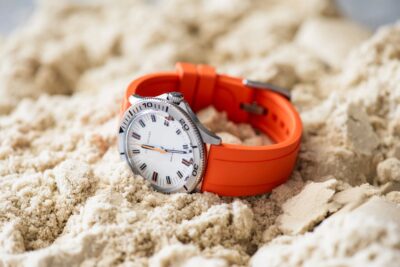
An automatic watch is a self-winding mechanical timepiece powered by the natural motion of your wrist. Unlike quartz watches that rely on a battery and electronic circuitry, an automatic watch generates its own energy as you wear it throughout the day. This means no battery replacements are needed, and the watch continues to function as long as it receives regular wrist motion.
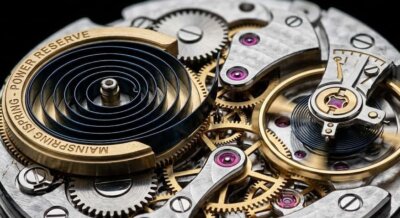
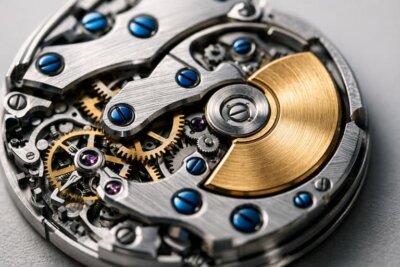
The automatic watch meaning is straightforward: it automatically winds itself. Inside every automatic movement watches case sits a swinging metal weight called a rotor, which spins freely as your arm moves. This spinning rotor gradually winds a tightly coiled spring known as the mainspring, which stores the energy that powers the watch. When you take off the watch and set it down, it will continue running on stored energy for its typical power reserve before stopping, depending on how fully wound it is.
To understand how automatic watches work at a basic level, think of them as self-feeding machines. Your daily activities—walking, gesturing, moving your arm—feed energy into the watch without any conscious effort on your part. This is the key difference from a manual-wind mechanical watch, which requires you to twist a ***** called the crown to wind it by hand. Both are mechanical watches, meaning both rely on gears and springs rather than electronics, but automatic watches eliminate the need for daily manual winding. Once you’ve chosen your automatic timepiece, pairing it with the right watch strap can enhance both comfort and style.
Here is how automatic watches compare to their main alternatives:
- Automatic watches: Self-winding via wrist motion; no battery; mechanical gears.
- Manual-wind mechanical watches: Hand-winding required; no battery; mechanical gears; power reserve depends on how tightly you wind the crown.
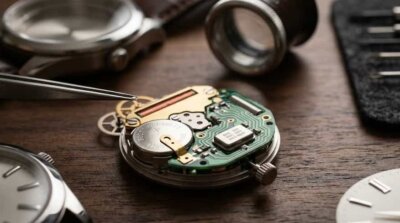
- Quartz watches: Battery-powered; electronic circuit; extremely accurate; battery replacement every few years; no winding needed.
The two essential components that make automatic watches unique are the rotor and the mainspring. The rotor is the freely spinning metal weight that responds to your wrist motion and drives the winding process. The mainspring is the coiled metal ribbon that stores the energy generated by the rotor, releasing it gradually to keep the watch ticking. You will learn how these parts work together in the next section.
How Does an Automatic Watch Work? (Step-by-Step)
Now that you know the basics of what an automatic watch is, let’s dive into the automatic watch mechanism with a simple step-by-step breakdown of how it harnesses your everyday movements to keep ticking.
The heart of the automatic watch movement is a clever chain reaction powered by wrist motion. Here’s how it unfolds:
- Your wrist moves naturally as you go about your day—walking, gesturing, or even typing. This subtle motion causes the rotor, a semicircular weighted component inside the watch (often made of heavy materials like tungsten or gold for better efficiency), to spin freely in either direction.
- As the rotor rotates, it connects to a series of gears called the reverser mechanism. These gears convert the back-and-forth swing into one-way rotation, which tightens the mainspring—the flat coil spring that acts as the watch’s energy storage tank.
- With the mainspring wound and full of stored energy, it begins to unwind slowly. This powers a gear train, a linked set of precisely cut wheels that transfer energy evenly throughout the movement.
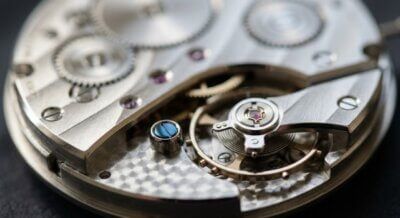
- The gear train feeds energy to the escapement, a regulating device that acts like a metronome, releasing power in tiny, controlled bursts to the balance wheel and hairspring (the vibrating heart that oscillates back and forth for steady timekeeping).
- These controlled pulses move the hands at consistent speeds, creating the smooth, sweeping second hand motion unique to mechanical watches like automatics—unlike the tick-step of quartz.
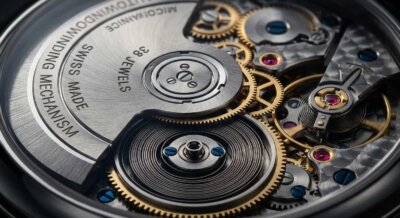
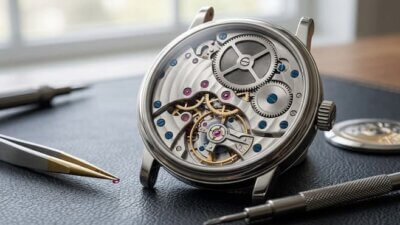
To help visualize this, imagine a text-based automatic watch movement diagram cutaway view: Start at the top-left with the curved rotor (labeled “spins with wrist”), arrowing right to the central gear cluster (“reverser winds”), down to the coiled mainspring barrel (“stores energy”), then rightward through layered gears (“gear train”), bottom to the escapement lever (“tick-tock release”), and up to the oscillating balance (“keeps time”). Each arrow shows energy flow, with tiny dots representing jewels—synthetic rubies that act as low-friction bearings for smoother, longer-lasting operation.
Other key parts play supporting roles. The crown, that knurled ***** on the watch’s side, lets you manually wind the mainspring if needed or pull it out to set the time and date. High-end movements often feature 21 or more jewels for reduced wear on pivots and plates.
This self-sustaining loop—motion to winding to regulated release—makes the automatic watch movement a marvel of engineering simplicity.
Automatic vs Mechanical Watches: Key Differences
Both automatic and manual-wind watches are mechanical timepieces—they use springs, gears, and escapements rather than batteries. The fundamental difference lies in how the mainspring gets wound. Manual-winding mechanical watches require you to turn the crown by hand to store energy, while automatic watches wind themselves through the motion of your wrist. Understanding this distinction helps clarify why “automatic” is simply a subtype of mechanical watch, not an entirely separate category.
The rotor is the defining component that makes self-winding mechanicals self-winding. This freely spinning metal weight oscillates with your wrist movements throughout the day, continuously coiling the mainspring without any action required from you. Manual-wind mechanical watches have no rotor; instead, the crown connects directly to a winding mechanism you operate by hand.
Automatic vs Manual-Wind Mechanical: Pros and Cons
Automatic pros:
- Winds passively during wear, requiring no daily ritual and convenient for busy lifestyles.
- Appreciate the engineering of self-winding mechanics with minimal daily maintenance.
Automatic cons:
- May stop if not worn for a few days (depending on power reserve).
- Cannot be worn intermittently without occasional manual winding or storage solution.
Manual-wind pros:
- Requires deliberate daily or periodic winding, offering a tactile ritual some enthusiasts value.
- Typically slimmer profile without the rotor assembly.
- Better suited to watches worn intermittently or stored for periods.
Manual-wind cons:
- More control over the winding process but requires deliberate action.
- Greater complexity in operation compared to passive automatic winding.
Both types:
- No battery replacement needed, crafted mechanical movements, potential heirloom lifespan with proper care, and require periodic professional servicing.
- More expensive upfront than quartz watches, susceptible to shock and magnetic fields.
Choose Automatic If…
- You wear your watch most days and prefer a hands-off approach to winding.
- You appreciate the engineering of self-winding mechanics and don’t mind the slightly thicker case profile.
- You want minimal daily maintenance—just put it on and let it do its job.
- You plan to wear the watch consistently enough to keep it running (typically daily or near-daily wear).
Choose Manual-Wind If…
- You enjoy a deliberate winding ritual as part of your daily routine with the watch.
- You prefer a slimmer watch case design without rotor mass.
- You wear your watch sporadically or store it for periods between uses.
- You value simplicity and fewer moving parts in the movement.
Neither choice is objectively “better”—it depends on your lifestyle, aesthetic preferences, and whether you view winding as a chore or a meaningful ritual. Both types of mechanical watches offer the same fundamental appeal: a watch powered by your ownership, not a disposable battery.
Do Automatic Watches Need Winding? (Power Reserve Explained)
Automatic watches do not need daily winding if worn regularly, thanks to their self-winding design, but they rely on a finite power reserve that typically lasts 38–48 hours when fully wound.
The power reserve refers to how long the watch can run on a full charge from its mainspring before stopping. In automatic watch movements, this energy depletes gradually when the watch is off the wrist and not receiving motion from everyday activities. For example, if you take off your watch on Friday evening after a full week of wear, it might stop ticking by Sunday evening—around two days later—depending on its exact reserve.
What Happens Off the Wrist?
When not worn, the rotor stops spinning, so no new energy winds the mainspring. The watch simply runs down until the power reserve is exhausted, at which point the hands halt. This is normal behavior and not a sign of malfunction. Regular wear, like 8–10 hours a day, usually keeps the reserve topped up without extra effort.
What to Do If It Stops
Restarting is straightforward with two beginner-friendly options. Guidance varies slightly by model, but here’s a unified approach: prioritize wearing it daily to maintain the charge, and use manual winding mainly when it has fully stopped or sat unused.
- Give it gentle shakes or arm swings (20–30 seconds as a guide) to restart the rotor—this mimics wrist action and often restarts it quickly.
- Manual wind using the crown, the knurled ***** on the side: unscrew or pull it out slightly if needed (check your model’s instructions), then turn it clockwise until it feels resistant. This directly coils the mainspring.
Modern automatics can’t be overwound in the way people fear—a slipping clutch or bridle mechanism simply disengages once full, protecting the mainspring.
Real-World Scenarios
Occasional wearer: Imagine you wear your automatic watch only on weekends. After Saturday’s adventures, it might run through Monday morning on its power reserve alone. Come Tuesday, if it’s stopped, a quick crown wind or arm swing gets it going again in moments, ready for the next outing. This flexibility suits less-daily use without strict routines.
Daily wearer: If you wear your watch consistently for 8–10 hours each day, the rotor keeps winding the mainspring passively, and the watch runs seamlessly without manual intervention or gaps in timekeeping.
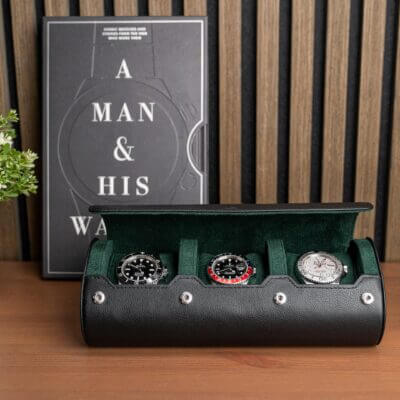
Collector: For those with multiple pieces, rotating wear across several watches helps avoid any one timepiece sitting dormant too long. Alternatively, a watch winder maintains power reserves for unworn pieces in your collection.
Benefits of Automatic Watches
Automatic watches offer several appealing qualities that attract owners to their intricate design and practical features, though they come with trade-offs like needing regular wear or manual intervention.
Here are the key benefits that make automatic watch movements stand out:
- Craftsmanship appeal: Each automatic watch showcases fine mechanical engineering, with components like synthetic ruby jewels reducing friction for smoother operation—often 21 or more in high-end examples.
- No batteries: Unlike quartz watches, automatics run purely on mechanical energy from your motion, eliminating battery replacements and electronic parts.
- Durability: Often durable with proper care and robust construction that withstands daily wear.
- Eco-friendly angle: Powered by your natural movement, they avoid the environmental impact of battery production and disposal.
- Heirloom potential: Many last generations with regular maintenance, passing down as family keepsakes.
One notable trade-off is accuracy. Automatic watches rely on mechanical balance, so accuracy varies by movement quality and conditions like temperature. They are typically less precise than quartz watches, which use electronic regulation for superior consistency.
How to Care for Your Automatic Watch
Proper care keeps your automatic watch running smoothly and extends its life, focusing on simple habits that support the automatic watch movement inside.
The easiest way to maintain it is by wearing your watch daily. Your natural wrist movements keep the rotor spinning, which winds the mainspring and powers the timepiece without extra effort.
Using a Watch Winder for Storage
If you can’t wear it every day, consider a watch winder, an optional tool that rotates the watch to mimic wrist motion and keep the mainspring wound.
For an occasional user who only wears their watch on weekends, a winder prevents it from stopping repeatedly, saving you the hassle of restarting it each time.
Cleaning and Avoiding Extremes
Clean the exterior gently with a soft, lint-free cloth after wear to remove sweat, dirt, or oils that could affect the case or bracelet.
Keep it away from extreme temperatures, strong magnets, and shocks, as these can disrupt the delicate balance inside the movement.
Professional Servicing
Plan for a professional service every 3–5 years, where a watchmaker cleans, lubricates, and inspects the components to ensure reliable performance.
This typical cadence accounts for natural wear on gears and jewels over time.
Daily Care Routine
Follow this simple checklist to stay on top of maintenance as a beginner:
- Wear it daily to let wrist motion power the rotor and mainspring.
- Manually wind the crown if it has stopped (about 40 turns as a rule-of-thumb).
- Clean with a soft cloth after each use, avoiding harsh chemicals or water unless specified.
- Avoid extremes like direct heat, freezing cold, heavy shocks, or magnetic fields.
- Store flat or on a watch winder when not worn for long periods.
- Service every 3–5 years with a qualified watchmaker.
Common Pitfalls and Fixes
One frequent mistake is thinking you can overwind it—modern designs slip harmlessly once full, so wind confidently until it feels resistant.
If it stops ticking after sitting idle, simply swing your arm gently for a minute or use the crown to restart—no damage done, just a quick nudge to get the rotor moving again.
For collectors with multiple pieces, rotate wear to avoid any one watch sitting dormant too long, or use a winder for those not in rotation.
A Brief History: When Were Automatic Watches Invented?
The story of automatic watches involves some debate over exact origins, but a clear timeline reconciles the key milestones in the development of this self-winding technology.
- In the 1770s, early concepts for self-winding mechanisms emerged, with watchmaker Abraham-Louis Perrelet creating prototypes for pocket watches that used body motion to wind the mainspring.
- By the 1920s, the first notable wristwatch implementations appeared, such as those by Harwood, adapting the idea from pocket watches to wearable automatics.
- Post-World War I, automatic watch movements gained broader popularity as wristwatches became more common for everyday use.
This progression shows how 1770s pocket watch ideas evolved into practical 1920s wristwatch automatics, resolving common claims about a single “invention” date.
Common Questions About Automatic Watches (FAQ)
What is the difference between automatic and mechanical watches?
Automatic watches are a type of mechanical watch that self-wind using a rotor powered by wrist motion, while manual-wind mechanical watches require hand-turning the crown to wind the mainspring. Both lack batteries and rely on mechanical parts like gears and an escapement for timekeeping. The key distinction lies in the winding method: automatics capture everyday movement to keep the mainspring tensioned, making them convenient for regular wear.
Do automatic watches need batteries?
No, automatic watches do not need batteries as they are mechanical timepieces powered entirely by the energy from their mainspring. The rotor spins with wrist motion to wind the mainspring automatically, releasing stored energy through the gear train to drive the hands. This contrasts with quartz watches, which use a battery to power an electronic circuit for timekeeping.
How do you wind an automatic watch?
You wind an automatic watch by gently turning the crown clockwise when the watch has stopped, which tightens the mainspring manually. Even if worn daily, occasional crown winding can top up the power reserve if needed. Automatic watch movements include a slip mechanism that prevents overwinding, so feel free to turn until it feels firm without worry.
How long does an automatic watch last?
With proper maintenance, an automatic watch can last generations as its mechanical components are built for durability. Regular servicing every 3–5 years keeps the mainspring, rotor, and jewels functioning smoothly over decades. Factors like avoiding shocks and storing it properly on a watch winder when not worn daily contribute to its longevity.
Are automatic watches accurate?
Automatic watches offer mechanical accuracy that is typically less consistent than quartz, varying by movement quality and conditions like temperature. They rely on the balance wheel and escapement for precise timekeeping. Many wearers adjust them periodically for optimal performance.
How do automatic watches differ from quartz?
Automatic watches use a self-winding mechanical system with a rotor and mainspring, while quartz watches run on a battery-powered crystal oscillator for electronic timekeeping. Automatics offer a sweeping seconds hand and craftsmanship appeal, but require regular wear or winding to maintain their typical 38–48 hour power reserve. Quartz provides hassle-free accuracy without motion dependency.
Are automatic watches good for beginners?
Yes, automatic watches suit beginners who enjoy wearing them daily and appreciate their mechanical charm. The rotor keeps them running with normal activity, and the power reserve gives flexibility for occasional use with simple crown winding. Start with one that matches your lifestyle to avoid frequent restarts.
Quick Glossary of Automatic Watch Terms
To clarify the automatic watch meaning and its key parts, here are concise definitions of essential terms used throughout this guide.
- Rotor: A semicircular metal weight (often tungsten or gold) that spins freely with wrist motion to automatically wind the mainspring.
- Mainspring: The coiled spring inside the movement that stores mechanical energy to power the watch.
- Power reserve: The duration a fully wound automatic watch can run without additional winding or wear, typically 38–48 hours.
- Crown: The ***** on the watch case side used to set the time and date, or for manual winding when needed.
- Jewels: Synthetic rubies that serve as low-friction bearings for gears and pivots; high-end movements often feature 21 or more.
- Watch winder: An optional device that rotates a stored automatic watch to mimic wrist motion and keep it wound.
- Escapement: The mechanism that regulates the controlled release of energy from the mainspring to maintain accurate timekeeping.
Balance wheel/hairspring: The oscillating system that vibrates at a consistent rate to drive the watch hands.