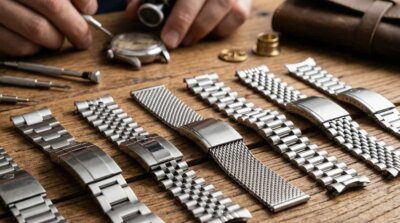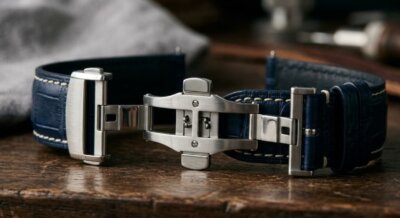
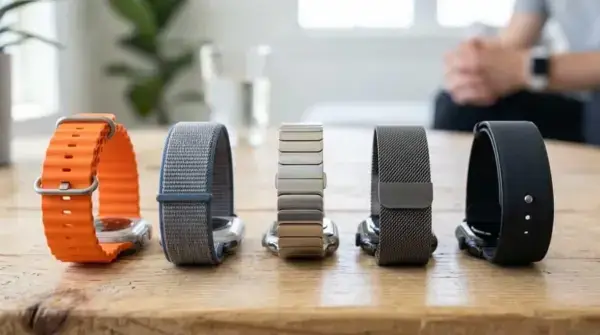
Why Apple Watch Band Material Matters
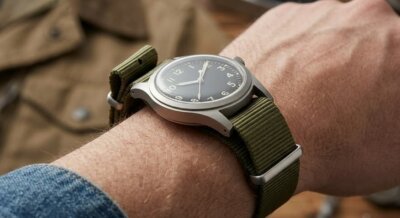
The material you choose affects how securely the watch sits on your wrist, how well sensors make contact with your skin, and whether you’ll feel comfortable after eight hours of daily wear. It also shapes durability expectations and influences how your skin responds over time.
Comfort is the most immediate factor. A band that traps moisture or lacks breathability can lead to irritation, especially during workouts or in warm weather. Conversely, options chosen for sweat resistance may feel different against your skin than softer alternatives. The weight and texture also matter: a lightweight titanium band feels different from a cool stainless steel bracelet, which feels different from a stretchy fluoroelastomer loop.
Durability directly impacts long-term value. Some materials hold their shape and resist stickiness for years, while others may show wear, pilling, or fading within months under intensive use. This isn’t a flaw—it’s a trade-off. A fabric band breathes beautifully but may not withstand heavy sweating as well as a rubber alternative. A metal bracelet lasts decades but requires different care and doesn’t stretch.
Skin sensitivity is another real consideration. Apple tests all band materials rigorously, but individuals vary widely in their tolerance. Some people react to nickel in stainless steel, others to adhesives used in band construction, and still others to moisture trapped under bands that don’t breathe well. Understanding which materials pose potential risks for your skin helps you avoid frustration and irritation.
Finally, your lifestyle and personal style shape what works best. An athlete training daily faces different material demands than someone who wears their watch mainly in an office setting. Similarly, the textures and visual presence of materials vary: a polished metal band projects formality, while a breathable fabric band reads casual, and a custom color in rubber feels sporty and modern.
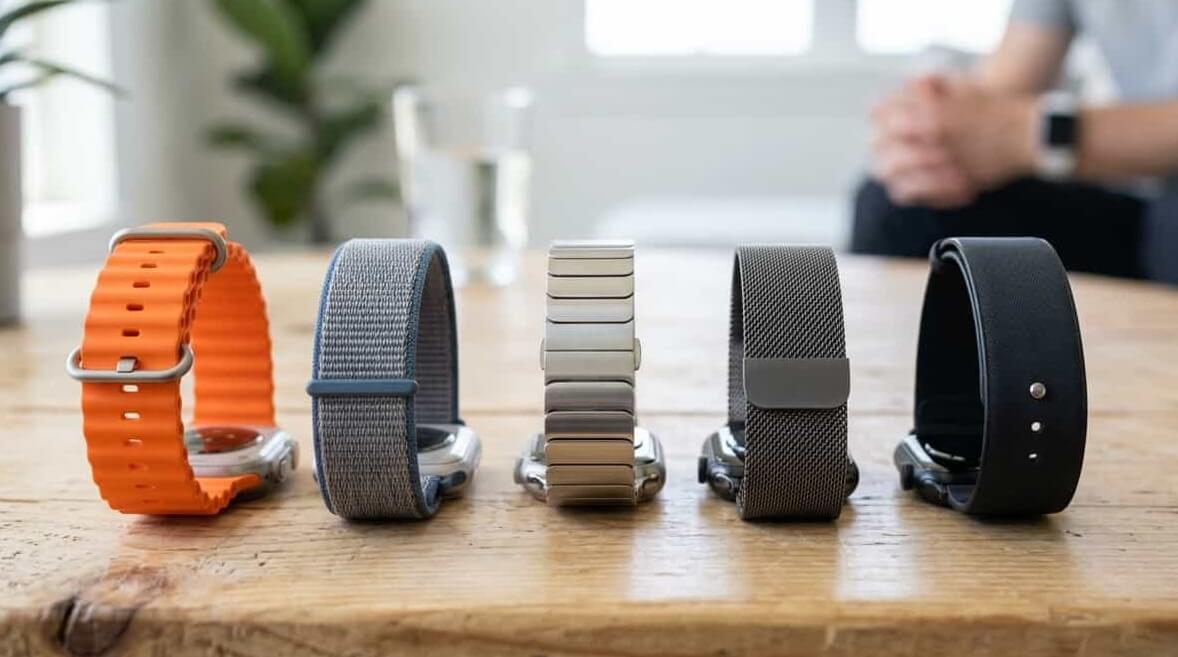
The sections ahead break down each major material—from flexible rubber and woven fabrics to polished metals, titanium, and sustainable FineWoven—so you can match your lifestyle to the right choice.
Fluoroelastomer (Sport Band) – The Flexible Workhorse
Fluoroelastomer is Apple’s sport band material, a high-grade silicone rubber that feels soft and flexible but is built to handle daily wear.
Apple uses the term fluoroelastomer for its own Sport Band, while many third-party brands simply call similar products a silicone band. In practice, both refer to a rubber-like material, but Apple’s formulation is designed to be especially smooth on the skin, resistant to chemicals and sweat, and stable over time.
This material is waterproof and sweat-resistant, so it works well for swimming, showers the watch is rated for, and intense workouts where the band is constantly exposed to moisture. It stays flexible across a wide temperature range, which helps it hug the wrist for good sensor contact without feeling stiff or plasticky.
Day to day, fluoroelastomer feels smooth and slightly grippy to the touch, with a matte finish that many people find comfortable for all-day use. Because it is not woven or porous, it is very easy to wipe clean after a workout or a messy activity.
Breathability vs water resistance
A key trade-off with this sport band material is breathability. Fluoroelastomer is highly water-resistant, but it is not breathable in the sense of allowing much air circulation against the skin. In cooler conditions this usually is not an issue, but in very hot or humid weather it can trap sweat under the band and feel warm or slightly clammy during long sessions.
This is why some users prefer to switch to a more breathable fabric option in peak summer, while keeping fluoroelastomer as their go-to for gym sessions, swimming, and rainy days.
Durability and wear patterns
Overall durability is medium-to-high. The material does not stretch out easily, does not absorb water, and resists cracking in normal use. For many people it will look good for years with simple care.
However, an important long-term pattern is that with very intensive use, especially if it is never rinsed and spends a lot of time in sweat or sunscreen, the surface can gradually feel a bit tacky or sticky. This often shows up after around 2–3 years of heavy daily wear, even though the band itself remains functional.
You may also notice light marks or a more polished look where the band rubs on desks, clothing, or the buckle, but these are usually cosmetic rather than structural issues.
Pros of fluoroelastomer (Sport Band material)
- Waterproof and sweat-resistant, ideal for swimming, running, and high-intensity workouts.
- Flexible and soft, helping the watch sit comfortably and maintain good sensor contact.
- Generally considered hypoallergenic for most people, with no nickel in the band itself.
- Low-maintenance and easy to clean with a quick rinse and dry.
- Holds its shape well and resists cracking or splitting in normal daily use.
- Works for casual everyday wear as well as gym and beach days with the same band.
Cons of fluoroelastomer (Sport Band material)
- Not very breathable in hot weather, so it can trap sweat under the band.
- The smooth surface can attract dust and lint, especially on darker colors.
- May feel sticky on the skin during long, sweaty sessions or after 2–3 years of intensive wear.
- The slightly grippy texture can tug on arm hair for some wearers.
Skin sensitivity and acrylates
Fluoroelastomer itself is generally skin-friendly and does not contain nickel, which is a common trigger for metal sensitivities. For most users, it behaves as a hypoallergenic material, especially when kept clean and dry between workouts.
Apple bands use acrylate or methacrylate-based adhesives in certain non-skin-contact areas, such as where pieces are bonded together, but these adhesive layers are not meant to sit directly against the skin. This helps reduce the chance of acrylate-related reactions, which can affect some very sensitive individuals.
If you have known allergies to acrylates or methacrylates, it is still a good idea to monitor your skin for redness, itching, or rash where the band edges touch, especially during the first few weeks of use, and to talk with a healthcare professional if irritation persists.
Care instructions and dust management
Fluoroelastomer is easy to care for, but a simple routine will keep it more comfortable and help it last longer.
- After workouts, swimming, or hot days, rinse the band under cool, clean water to remove sweat, salt, sunscreen, or lotions.
- Pat the band dry with a soft, lint-free cloth, paying attention to the inside surface that touches your skin.
- Avoid soaps, harsh cleaners, or solvents on the band, as these can affect the surface finish over time.
- Take the band off occasionally to let your skin and the material dry fully, especially if you have been sweating.
- Once a week, give the band a more thorough rinse and dry to reduce buildup that can contribute to a sticky feel.
- If you notice dust and lint sticking to the band, a quick rinse and pat dry usually clears the surface and makes it feel smoother again.
A good example is the dust-attracting issue: darker silicone bands can seem to pick up lint from pockets or gym bags. A short weekly clean under cool water, followed by careful drying, not only removes the dust but also helps slow down that long-term tacky feeling.
Use-case example: swimmer and triathlete
For a swimmer or triathlete who trains in the pool, runs outdoors, and spends weekends at the beach, fluoroelastomer is a practical primary choice. The Sport Band stays secure in the water, does not absorb sweat or salt, and dries quickly once you are out, so you can go from a swim set to a strength session and then to casual errands without swapping bands. Many people in this situation pair the Sport Band with a more breathable fabric option for very hot rest days, but use fluoroelastomer as their default for gym and beach days because it is waterproof, sweat-resistant, and simple to rinse clean afterward.
Next, we will look at how nylon-based options offer a more breathable alternative for warm-weather and casual wear.
Nylon (Sport Loop) – Breathable & Casual
Want a breathable alternative to rubber? Nylon-based bands feel light and soft, especially in warm weather or for all-day comfort.
At its core, the sport loop material is a woven fabric made primarily from nylon, often blended with polyester and a small amount of spandex to add stretch and help the band keep its shape over time.
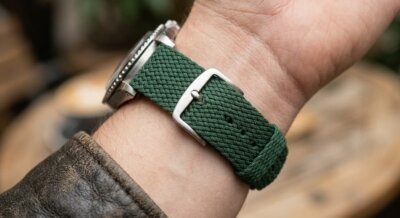
This woven structure gives nylon bands a soft, slightly textured feel on the skin. They are lightweight, flexible enough to contour to your wrist, and allow more air to flow through than solid rubber-like bands, which helps reduce heat buildup and sweat.
How nylon bands feel and behave day to day
Nylon-based bands like the Sport Loop, Nike Sport Loop, Alpine Loop, and Trail Loop are designed to be comfortable, casual, and easy to live with.
Key properties of a nylon band include:
- Lightweight: You usually notice the watch more than the strap, which is helpful for smaller wrists or all-day wear.
- Breathable: The woven fabric lets air circulate, making it a good choice in summer or for people who dislike the “sealed” feel of solid rubber-like bands.
- Soft and flexible: The loops and weave feel gentle against the skin and can be adjusted for a snug but not tight fit.
- Machine-washable: Most nylon bands can be cleaned in a delicate machine cycle, then air-dried, which makes maintenance simple.
- Quiet and low-rattle: Compared with metal bracelets, fabric bands do not clink or feel heavy during movement.
Because of this mix of softness and airflow, many people see the Sport Loop material as their everyday, casual band, especially in a warm climate or for office and home use where comfort matters more than strict water performance.
Durability: what to expect over 1–2 years
Nylon has medium durability compared with metals and harder materials. With normal use, it can easily last one to two years or longer, but it does not stay “like new” forever.
Over time, a nylon band can:
- Pill: Small fuzzy balls of fabric may appear in high-friction areas, especially near the clasp or where the band rubs against clothing or desks.
- Fray: Edges or specific threads can start to look worn, especially if the band frequently snags or rubs on rough surfaces like backpacks or weights.
- Lose shape: The band may stretch slightly or look less crisp after many cycles of getting wet and drying, or after constantly being tightened very firmly.
A realistic example: someone who wears a Sport Loop or Trail Loop every day, keeps it on during workouts, often gets it sweaty, then quickly air-dries it near a fan may notice pilling and light fraying after about six months. Habits that can accelerate this include heavy gym use with a lot of wrist friction (weightlifting, rowing), wearing it tightly under sleeves that rub, and frequent wet/dry cycles such as rinsing it daily but not letting it dry fully before the next use.
By contrast, if you mainly use a nylon band for office and casual wear, remove it for intense workouts, and wash it gently once in a while, it often stays in good condition much closer to the one- to two-year range before looking obviously worn.
Pros of nylon bands
Here are the main advantages of nylon-based Sport Loop style bands.
- Breathable: The woven fabric creates a more open structure, which helps sweat evaporate and reduces that sticky, trapped feeling you might get from a solid band.
- Ideal for summer and warm weather: Because they are both light and breathable, nylon bands are a strong choice for hot climates or people who run warm.
- Lightweight: Compared with metal bracelets or even some rubber-like bands, nylon is barely noticeable on the wrist.
- Easy to clean: Most nylon bands are effectively machine-washable on a gentle cycle, then air-dried, which can be simpler than carefully wiping leather or polished metal.
- Comfort-focused fit: The loop-and-hook or sliding closures on Sport Loop and similar bands allow very fine adjustment, which helps find the right balance between snug sensor contact and comfort.
- Affordable feel with many colors: These bands often come in a wide range of colors and patterns, so you can easily find a casual, fun look without worrying about scratches or scuffs.
Cons of nylon bands
Nylon does have trade-offs compared with metals, leather, or rubber-like materials.
- Absorbs sweat and water: Nylon is breathable but not naturally water-resistant like fluoroelastomer. It can soak up sweat, fresh water, and even soap, then take time to dry.
- Not ideal for frequent swimming: While an occasional splash or rinse is fine, a nylon band that is constantly used for swimming or showering may stay damp longer and wear out more quickly, so it is not the best choice if you are always in the pool.
- Medium durability: It can wear out faster than stainless steel or titanium, and can show age through pilling, fraying, or stretching.
- Can trap moisture if worn too tight: Even though it is breathable, if you clamp it down very snugly and never give the skin a break, sweat and soap can still sit against the skin.
- Picks up lint: The texture can sometimes catch small fibers from clothing or towels, which may need to be brushed off.
Skin sensitivity and comfort
For most people, a nylon band is generally a good option if you have sensitive skin. Nylon itself is usually considered low risk for irritation, and the breathable design helps reduce heat and sweat buildup, both of which can aggravate delicate skin.
However, comfort also depends on how you wear the band:
- If you fasten it too tightly, even a breathable woven fabric can trap moisture, soap residue, or sunscreen between the band and your skin.
- Leaving the band damp for long periods (after a workout or shower) can increase the chance of redness or itchiness, especially if you already have eczema or very reactive skin.
- A very loose fit that allows the band to move and rub back and forth can also cause friction irritation over hours of wear.
For best comfort, aim for a snug but not constricting fit: the watch should stay in place with good sensor contact, but you should still be able to slide a finger gently between the band and your wrist. If you notice any persistent redness, itchiness, or hot spots under the fabric, it is wise to let the skin dry and breathe, switch to a fresh or dry band, and talk to a medical professional if symptoms do not improve.
Care instructions for nylon bands
Nylon is one of the easiest Apple Watch band materials to care for, especially if you are active.
- Everyday rinse: After sweaty workouts, rinse the band under lukewarm fresh water to remove sweat and surface dirt, then gently squeeze out excess water.
- Machine-wash on delicate: For a deeper clean, place the band in a small laundry bag and wash it on a delicate or hand-wash cycle with mild detergent.
- Avoid harsh chemicals: Skip bleach, strong stain removers, or fabric softeners, which can weaken fibers or affect color.
- Air dry only: Lay the band flat or hang it in a well-ventilated area. Avoid dryers, radiators, or direct high heat, which can deform or shrink the fabric.
- Rotate bands: If possible, rotate between two bands so that a freshly washed nylon strap can dry completely before you wear it again.
These habits help maintain both the look and lifespan of your nylon band and can reduce odor buildup from sweat and daily use.
Apple nylon-based band examples
Several Apple band families use nylon as a primary component, often combined with polyester and spandex for added performance.
- Sport Loop: A soft, loop-backed nylon band that uses a hook-and-loop style closure, making it easy to adjust for a comfortable, snug fit.
- Nike Sport Loop: A variation of the Sport Loop with sporty colorways and reflective threads in some versions, still built on a similar woven nylon base.
- Alpine Loop: A rugged-looking band built from multiple textile layers, typically nylon blended with polyester and a bit of spandex to handle outdoor use and provide controlled stretch.
- Trail Loop: A lightweight, low-profile band designed for endurance activities, also based on a nylon-centric weave with polyester and spandex to improve stretch and recovery.
These bands share a common identity as breathable, fabric-based options, but differ in thickness, closures, and how “rugged” or minimal they feel on the wrist.
Use-case example: A casual wearer living in a hot, humid climate might choose a Sport Loop as their main everyday strap because it feels cooler than a rubber-like band during long commutes and walks, while still being soft enough to wear all day and night.
Nylon vs. Fluoroelastomer — which is better?
Many people compare the sport loop material with the Sport Band material and wonder which one is better. The answer depends on whether you care more about breathability or water resistance.
- If breathability is your priority: A nylon band usually feels cooler and less sticky because air can move through the weave. This makes it a strong candidate if you live in a warm climate, have easily irritated skin from heat and sweat, or simply dislike the feeling of a fully sealed band.
- If water resistance is your priority: Fluoroelastomer repels water and sweat far better than nylon. It does not absorb liquid, so it dries quickly and is easier to rinse after swimming, showering, or intense sweaty workouts.
- Comfort trade-off: Nylon is often perceived as softer and more “fabric-like,” which can feel more natural if you are used to cloth watch straps. Fluoroelastomer shares some feel with silicone and has a smoother, more rubbery surface that some people find slightly warmer but very secure and easy to wipe clean.
- Odor and cleanliness: A nylon band that is not cleaned regularly can trap sweat and develop odor faster than a Sport Band. Fluoroelastomer can be rinsed quickly and dried with a towel, which can be simpler if you exercise daily.
If you are a swimmer or often wear your watch in the shower, the Sport Band material is generally a better fit. If you rarely swim but want a breathable option that feels soft and light, nylon-based Sport Loop styles often win out for everyday comfort.
Example: A runner who sweats heavily but rarely swims might prefer a Sport Loop for cooler airflow on warm runs, while a triathlete who moves between pool, bike, and run would likely favor fluoroelastomer because it stays water-resistant and dries fast between activities.
Next, we will look at other materials to see how nylon compares with options like stainless steel, leather alternatives, and titanium for different lifestyles.
Stainless Steel (Milanese Loop & Link Bracelet) – Polished Professional
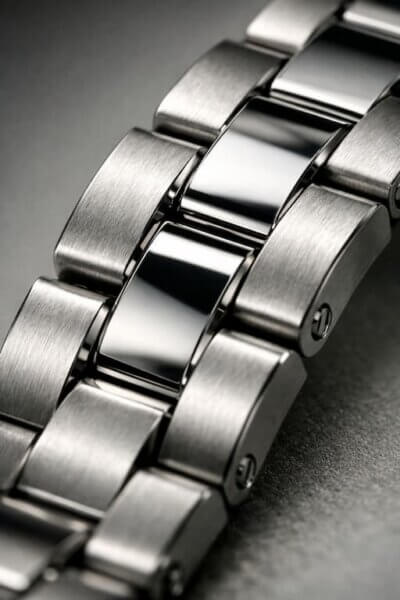
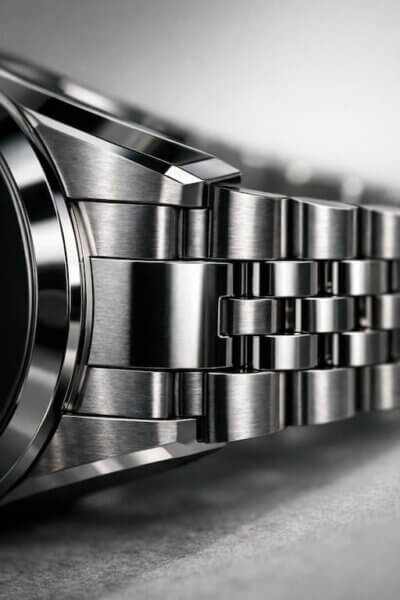
Stainless steel bands represent Apple’s premium metal choice for formal and professional settings. Made from 316L or 316 stainless steel—a corrosion-resistant alloy—these bands deliver a polished, timeless aesthetic that works equally well in boardrooms and at formal events.
What Stainless Steel Offers
Stainless steel is fundamentally different from elastomer and fabric materials. It is significantly heavier, rigid, and unyielding. The metal holds a high polish that catches light and resists tarnish over years of wear. Unlike fluoroelastomer or nylon, stainless steel will not stretch, compress, or lose its structural integrity—making it exceptionally durable for long-term daily use.
The trade-off for this durability is visibility of wear. Over time, stainless steel bands develop fine hairline scratches and swirl marks from contact with skin, clothing, and everyday surfaces. These micro-scratches are normal and do not affect the band’s function, but they are more noticeable on polished steel than on matte finishes.
Pros and Cons of Stainless Steel
Stainless steel bands excel in specific use cases and present clear limitations in others.
- Professional appearance that suits business, formal wear, and dressy occasions
- Extremely durable and resistant to tarnish, corrosion, and material breakdown
- Does not stretch, compress, or absorb odors like elastomer materials
- Low maintenance—a soft cloth wipe is usually sufficient for cleaning
- Heavier weight may feel substantial and luxurious to some wearers
On the downside, stainless steel has real limitations:
- NOT recommended for water activities, swimming, or heavy sweating
- Heavy and bulky, making it less comfortable during workouts or all-day active wear
- Shows fine scratches and swirl marks more visibly than brushed or matte finishes
- Feels cold against the skin in winter months until body heat warms it
- More difficult to resize or adjust compared to elastomer or fabric bands
Water Guidance: NOT Recommended
Unlike fluoroelastomer bands or titanium, stainless steel bands are NOT recommended for water activities or prolonged moisture exposure. Saltwater, chlorine, and soap can accelerate corrosion and cause discoloration or pitting over time. If your stainless steel band does contact water, wipe it dry immediately with a soft cloth and allow it to air-dry completely before wearing again.
Skin Sensitivity and Nickel Content
Stainless steel contains trace amounts of nickel as part of its alloy composition. Apple’s stainless steel bands meet international REACH regulations, which enforce strict limits on nickel content to protect users with sensitivity. In plain language, REACH compliance means the nickel levels in Apple’s stainless steel bands fall below thresholds shown to cause reactions in the general population.
However, individuals with documented nickel sensitivity or contact dermatitis may still experience a reaction, even to REACH-compliant stainless steel. If you have known nickel sensitivity and are considering a stainless steel band, patch-test it on your inner wrist for a few hours before extended wear. Watch for signs of redness, itching, or irritation.
Stainless steel bands also use acrylate-based adhesives in non-skin-facing areas (such as the clasp mechanism). For the vast majority of users, this poses no concern because the adhesive does not directly contact skin. If you have documented acrylate or methacrylate sensitivity, consult a physician before wearing any metal band.
Real-World Example: The Business Professional
A financial analyst who wears her Apple Watch to client meetings prefers the Milanese Loop in stainless steel. The polished finish pairs seamlessly with business attire, and the band’s durability means it withstands daily contact with desk surfaces, sleeves, and briefcases without degrading. She avoids wearing it during her morning gym sessions and switches to a fluoroelastomer Sport Band instead, then changes back to stainless steel for the office. This selective approach maximizes the lifespan of her stainless steel band while protecting it from unnecessary moisture and sweat exposure.
What to Do If You React to Nickel
A wearer with mild nickel sensitivity purchases a Link Bracelet and notices redness and itching around her wrist after two days of continuous wear. She stops wearing the band immediately, removes any moisture from her skin, and applies a moisturizer to calm the irritation. After consulting her physician, she confirms nickel sensitivity and chooses to wear a titanium band or fluoroelastomer Sport Band instead. This scenario highlights why patch-testing is important for anyone with known metal sensitivities.
Care and Maintenance
Stainless steel requires minimal upkeep. Wipe the band regularly with a soft, lint-free cloth. For deeper cleaning, slightly dampen the cloth with distilled water, gently wipe, and dry immediately. Avoid harsh chemicals, abrasive scrubbing, or prolonged soaking in water. If your band develops minor scratches, they are cosmetic and do not affect durability or function.
Apple Bands Made from Stainless Steel
Apple offers two primary stainless steel band options: the Milanese Loop, a mesh design with a magnetic clasp, and the Link Bracelet, a segmented metal bracelet with a butterfly closure. Both are available across most Apple Watch models. Additionally, certain variations of the Modern Buckle and other specialty bands incorporate stainless steel components. Check Apple’s official band listings to confirm which models are compatible with your Apple Watch generation.
Leather & FineWoven – Classic & Modern Alternatives
Leather: The Discontinued Classic
Full-grain leather has long been valued for its timeless elegance and professional appearance. Apple’s leather bands were crafted from genuine leather, offering a classic aesthetic that worked equally well in formal settings or casual everyday wear. However, as of Series 9, Apple discontinued its own leather band lineup in favor of more sustainable alternatives.
One important distinction: while Apple-made leather bands are no longer available, Hermès leather bands may still appear in Apple materials lists and remain available through Apple’s Hermès collection for certain Apple Watch models. If you own an older Apple Watch or are shopping the Hermès line, leather remains an option.
Leather Properties & Character
Leather is naturally breathable and softens with regular wear, developing a rich patina over time. This aging process is part of leather’s appeal. For example, a leather band worn daily over 12 to 24 months may darken and gain subtle creases that reflect your personal wear patterns, creating a unique, one-of-a-kind aesthetic. This character development is something synthetic materials cannot replicate.
Durability is high when maintained properly, though leather requires more attention than modern alternatives. The material absorbs sweat, oils, and dirt, which can lead to discoloration or cracking if not cleaned regularly. Moisture retention is a concern, especially in warm climates or during intense workouts, as trapped sweat and humidity may irritate sensitive skin or promote odor.
| Pros | Timeless, professional aesthetic; develops unique patina; naturally breathable; versatile for casual-to-formal wear |
| Cons | Requires regular cleaning and conditioning; NOT recommended for water; prone to discoloration and cracking; absorbs and traps moisture |
Leather Water & Care Guidance
Leather is NOT recommended for water activities, swimming, or prolonged exposure to moisture. Exposure to saltwater, chlorine, or even heavy sweat can permanently damage the material. To extend the life of a leather band, wipe it clean with a soft, dry cloth after wear, keep it away from direct water, and condition it periodically with leather conditioner designed for fine leather goods.
Why Apple Discontinued Leather (2023–2024)
Apple’s shift away from its own leather lineup reflects broader sustainability goals and a move toward more eco-friendly materials. Leather production carries environmental costs, and Apple prioritized reducing its product-material footprint. The discontinuation also simplified the band lineup, allowing Apple to focus on durable, modern alternatives like FineWoven.
FineWoven: Apple’s Modern Replacement
FineWoven is Apple’s answer to the demand for a professional, elegant band that avoids leather’s maintenance burden and environmental impact. It is made from recycled polyester woven with a special microtwill coating that gives it a suedelike texture and subtle luster. This material is lightweight, smooth to the touch, and carries an eco-friendly appeal for environmentally conscious wearers.
Example use case: An eco-conscious professional who values sustainability may choose a FineWoven Modern Buckle or Magnetic Link band, gaining a polished aesthetic without the leather care demands or environmental concerns.
FineWoven Properties & Durability
FineWoven offers a modern, refined look that works well in business and casual settings. The coating creates a soft, luxurious feel against the skin. However, FineWoven is relatively new to the Apple Watch lineup, meaning long-term durability data is still limited. Based on early reports and design, durability is rated as moderate to good, though the coating may show wear with intensive use or improper care. Unlike leather, FineWoven does not develop patina; it maintains a consistent appearance, which some users prefer.
| Pros | Sustainable (recycled polyester); modern, polished appearance; lightweight; official Apple alternative to leather; less maintenance than leather |
| Cons | NOT recommended for water; coating durability unproven long-term; lacks the character development of leather; newer material with fewer established user reports |
FineWoven Water & Care Guidance
Like leather, FineWoven is NOT recommended for water activities, swimming, or prolonged moisture exposure. The coating can be damaged by water and sweat accumulation. To care for FineWoven, wipe it clean and dry after wear, avoid submerging it in water, and keep it away from harsh chemicals or lotions. Pat the band dry promptly if it does get damp.
Skin Sensitivity & FineWoven
FineWoven is generally hypoallergenic for most wearers. However, the band includes acrylate-based adhesives in non-skin-contact areas that help secure the coating. For individuals with documented acrylate sensitivity, this may be a consideration, though direct skin contact is minimal. If you have very sensitive skin or a known acrylate allergy, test wear the band in a store or consult the Apple support documentation before purchasing.
FineWoven Band Examples
Apple currently offers FineWoven in the Modern Buckle and Magnetic Link styles. Both deliver a professional appearance with the lightweight, eco-friendly benefits of the material.
Titanium – Rugged & Lightweight (Apple Watch Ultra Focus)
Titanium represents Apple’s premium material choice for the Apple Watch Ultra, offering a combination of strength, low weight, and corrosion resistance that makes it ideal for rugged outdoor use. Apple uses Grade 2 titanium, a high-purity alloy (98%+ pure titanium) that balances durability with wearability.
What Titanium Is and Why Apple Chose It
Grade 2 titanium is an aerospace-grade metal known for its exceptional strength-to-weight ratio. Unlike stainless steel, which is heavier, titanium delivers comparable durability at a significantly lighter weight. This makes it the natural choice for the Apple Watch Ultra, a device designed for serious athletes and outdoor adventurers who need reliable gear without the burden of extra mass on the wrist.
The material’s matte finish gives the Ultra its distinctive rugged aesthetic, and its natural corrosion resistance means it won’t rust or degrade even with prolonged saltwater exposure—a key advantage for marine activities and beach environments. Titanium also resists the kinds of environmental stressors that would compromise other metals over time.
Durability and the Scratch Question
Titanium is extremely durable and will maintain structural integrity through years of intensive use. However, titanium surfaces can develop scratches and scuffs with daily contact against harder surfaces. This is normal wear, not a material flaw.
Apple’s titanium bands often feature a diamond-like carbon (DLC) coating, a thin protective layer that significantly enhances scratch resistance without adding weight. Over time and with intensive use, this coating may wear in high-contact areas, revealing the matte titanium beneath. Many users view this as part of the material’s character—a visible history of use rather than a flaw. Minor surface scratches can be polished out with appropriate care, restoring a like-new appearance.
Pros and Cons
| Pros | Cons |
|---|---|
| Lightweight and premium feel; ideal for extended wear without wrist fatigue | Higher cost than stainless steel or fluoroelastomer alternatives |
| Exceptionally durable; handles drops, impacts, and rough outdoor conditions | Surface may scratch without DLC coating; coating can wear over time |
| Naturally corrosion-resistant; safe for saltwater, chlorine, and harsh environments | May feel like overkill for casual, everyday wearers who do not engage in water sports |
| Water-resistant and recommended for water activities, including diving | Limited color and style variety compared to fabric or rubber bands |
| Hypoallergenic; no nickel content and no acrylate sensitivity concerns | DLC coating adds cost to the final product |
Grade 2 vs. Grade 4: Understanding the Difference
Apple uses Grade 2 titanium for consumer wearables because it offers the right balance of strength, weight, and corrosion resistance. Grade 4 titanium is harder and heavier, making it better suited for industrial and aerospace applications where absolute maximum hardness is required. Grade 4 would be unnecessary for a wristwatch and would add undesirable weight. Grade 2 delivers all the durability a user needs while keeping the Apple Watch Ultra as light as possible.
Water Guidance: Yes, Titanium Is Water-Ready
Titanium bands are recommended for water activities, including swimming, snorkeling, and water sports. The material’s corrosion resistance means saltwater, chlorine, and freshwater exposure pose no risk to the band’s structural integrity. This is one of titanium’s key advantages over stainless steel, which is NOT recommended for extended water exposure.
Skin Sensitivity and Hypoallergenic Properties
Titanium is hypoallergenic. It contains no nickel and presents no risk of acrylate or methacrylate sensitivity from adhesives in the band construction. For users with metal sensitivities, titanium is one of the safest choices available in Apple’s lineup. The material’s biocompatibility is why it is commonly used in medical implants and orthopedic devices.
Care and Maintenance
Titanium requires minimal upkeep. Rinse the band with fresh water after saltwater or chlorinated water exposure, and pat dry with a soft cloth. For minor scratches or scuffs, use a microfiber cloth and gentle buffing motions to restore the matte finish. Avoid abrasive scrubbers or harsh chemicals. If the DLC coating wears through in visible areas, this is cosmetic only and does not affect function or durability.
For Apple Watch Ultra Users and Outdoor Adventurers
Titanium is purpose-built for the Apple Watch Ultra lifestyle. If you spend significant time in water, engage in trail running or climbing, or operate in environments with salt spray or chemical exposure, titanium delivers the rugged reliability you need. The lightweight feel ensures comfort during extended outdoor sessions, and the material’s strength means your band can handle the same adventures as your wrist. For casual everyday wearers, a fluoroelastomer or fabric band may deliver better value, but for serious outdoor use, titanium is the clear choice.
Polyester & Spandex Blends – Often Overlooked
While nylon and fluoroelastomer dominate the conversation, many of Apple’s current bands use fabric blends that combine nylon, polyester, and spandex—or in newer models, recycled polyester mixed with spandex. These blends are engineered to balance breathability, durability, and comfort in ways that single materials cannot achieve alone.
What Are These Blends, and Why Does Apple Use Them?
Polyester is a synthetic fiber that adds resilience and resistance to wear compared to pure nylon. Spandex (elastane) is a stretchy synthetic fiber that provides elasticity and helps the band recover its shape without permanent sagging. When Apple combines these three materials—or uses recycled polyester with spandex—the result is a band that stretches comfortably on your wrist, breathes well to reduce heat buildup, and resists the pilling and fraying that can occur with lower-quality single-material fabrics over extended use.
The shift toward recycled polyester in newer blends (such as the Alpine Loop and Braided Solo Loop) also reflects Apple’s sustainability goals, delivering the same performance benefits while reducing virgin plastic consumption.
Performance Characteristics
Fabric blends are lightweight and feel soft against the skin. The spandex component ensures the band stretches smoothly and snaps back; the polyester and nylon layers add durability and prevent excessive stretching that could leave the band loose or permanently deformed. These bands are inherently breathable because air circulates through the woven or braided structure, making them ideal for warm weather or extended wear without trapping moisture.
Durability is moderate to good with proper care. Under heavy use (daily gym sessions, intense sweat exposure), nylon-polyester blends may show pilling (small fuzzy balls) or minor fraying at edges after one to two years. Recycled polyester blends tend to resist pilling slightly better. Spandex loses some elasticity over years of use, but this is a gradual process and does not affect wearability for most users within the first two to three years.
Pros and Cons
Pros of fabric blends include:
- Breathable and lightweight for all-day comfort and warm-weather wear
- Stretchy thanks to spandex, allowing one band size to fit a wider range of wrist sizes
- Machine-washable (delicate cycle) for easy cleaning
- Colorful and stylish; these bands come in vibrant, varied hues
- Generally hypoallergenic and well-tolerated by sensitive skin due to breathability reducing moisture trapping
- Sustainable options now available with recycled polyester
Cons include:
- Not ideal for swimming or prolonged water immersion; they absorb water and sweat rather than shedding it
- Lower-quality blends may pill or fray with heavy use
- Spandex gradually loses elasticity over years, though this is very gradual
- Require more frequent washing than metal or silicone bands due to sweat absorption
- Less durable in extreme outdoor conditions compared to titanium or stainless steel options
Skin Sensitivity and Comfort
Fabric blends are generally considered hypoallergenic. The breathable structure allows air circulation and moisture to evaporate rather than pool against the skin, which is especially beneficial for individuals prone to irritation from moisture trapping. However, if the blend includes any synthetic dyes or finishes, rare contact dermatitis is possible; washing the band before first wear can reduce this risk. Individuals with sensitivities to synthetic fibers are uncommon, but if you have known reactions to polyester or spandex, consult a dermatologist before extended wear.
Care and Maintenance
Fabric blends are the most washable Apple bands. Machine wash on the delicate cycle with mild detergent, or hand wash with lukewarm water and gentle soap. Avoid bleach and fabric softeners. Air dry completely before wearing; moisture trapped inside the braiding or weave can cause odor or mildew. Do not tumble dry. With regular cleaning after sweaty activities, these bands maintain their appearance and elasticity longer.
Apple Bands Using Polyester & Spandex Blends
Current Apple bands in this category include:
- Sport Loop and Nike Sport Loop: nylon, polyester, and spandex blend; $49 and up
- Alpine Loop: recycled polyester and spandex with titanium accents; designed for the Ultra but compatible with other models in specific sizes
- Trail Loop: nylon, polyester, and spandex with titanium accents; designed for rugged Ultra use
- Braided Solo Loop: recycled polyester woven around ultrathin silicone threads with a stretchable design; includes the recent Unity Connection Braided Solo Loop in Pan-African flag colors
These blends represent Apple’s commitment to offering breathable, sustainable, and durable fabric options alongside its traditional silicone and metal choices.
Material Comparison Table & Quick Selector
Use these tables to quickly compare materials side by side. The first table gives you an overview of how each material looks, performs, and suits different needs. The second table breaks down every Apple official band so you can see exactly what you are getting.
Material Comparison Matrix
| Material | Look & Feel | Water Resistant? | Durability | Best For | Skin-Safe Rating |
|---|---|---|---|---|---|
| Fluoroelastomer | Smooth rubber; soft and flexible | Yes | 2–3 years (intensive use) | Workouts, everyday wear, water sports | Excellent (hypoallergenic) |
| Nylon | Woven fabric; breathable and lightweight | Yes | 1–2 years (heavy use) | Warm weather, casual daily wear, hiking | Good (may irritate sensitive skin) |
| Stainless Steel | Polished or matte metallic; heavy and cool to touch | No | Very high (5+ years) | Business, formal occasions, fashion | Fair (nickel concerns for sensitive individuals) |
| Leather (Apple-made) | Supple; develops patina over time | No | 1–2 years (develops character) | Professional, classic style (discontinued) | Variable (natural leather allergies possible) |
| FineWoven | Matte micro-twill; soft suede-like feel | No | High (exact lifespan TBD) | Eco-conscious wearers, everyday professional | Good (low irritant risk) |
| Titanium | Brushed metallic; lightweight and premium | Yes | Very high (5+ years) | Outdoor adventures, Apple Watch Ultra, professionals | Excellent (hypoallergenic) |
| Polyester & Spandex Blends | Woven fabric; soft and stretchy | Yes | 1–2 years (heavy use) | Active wear, travel, varied climates | Good (synthetic fibers generally safe) |
Apple Official Band Materials
This table shows what materials actually touch your skin and wrist for every current and recent Apple Watch band. Check the water-resistant column before choosing a band for water activities.
| Band Name | Primary Material | Secondary Materials | Apple Watch Models | Water-Resistant? | Skin Sensitivity Notes |
|---|---|---|---|---|---|
| Sport Band | Fluoroelastomer | Stainless steel, ceramic, titanium, or 18-karat gold lugs | All models | Yes | Hypoallergenic; may attract dust with prolonged use |
| Ocean Band | Fluoroelastomer | Titanium lugs | Apple Watch Ultra | Yes | Hypoallergenic; designed for water immersion |
| Sport Loop | Nylon, polyester, spandex blend | No metal lugs | All models | Yes | May cause irritation for very sensitive skin; machine washable |
| Alpine Loop | Polyester and spandex | Titanium lugs | Apple Watch Ultra | Yes | Lightweight; designed for extended outdoor wear |
| Trail Loop | Nylon, polyester, spandex blend | Titanium lugs | Apple Watch Ultra | Yes | Rugged fabric; low irritation risk |
| Milanese Loop | Stainless steel mesh | Magnetic closure | Most models (size dependent) | No | Nickel present; NOT recommended for water sports |
| Link Bracelet | Stainless steel | Pin-and-tuck closure | Most models | No | Nickel present; requires careful drying after exposure |
| Titanium Milanese Loop | Titanium mesh (aerospace-grade) | Parachute-style buckle | Apple Watch Ultra | Yes | Hypoallergenic; premium and lightweight alternative to steel |
| Leather Link | Leather | Stainless steel magnetic closure | Series 9 and later (limited) | No | Natural material; risk of irritation; discontinued as Apple-made option |
| Modern Buckle | Leather or FineWoven | Stainless steel or 18-karat gold buckle | All models (material varies) | No | Leather version discontinued; FineWoven version available as replacement |
| FineWoven Magnetic Link | FineWoven (recycled polyester micro-twill) | Rare earth element magnets, stainless steel | All models | No | Low irritation risk; NOT recommended for water exposure or prolonged moisture |
| Hermès Leather Bands | Leather | Polyamide yarn or fluoroelastomer; stainless steel hardware | Select models | No | Natural leather; risk of irritation; may still appear in Apple materials lists |
| Hermès Knit Bands | Polyamide yarn (nylon-like) | Stainless steel hardware | Select models | No | Synthetic fiber; low irritation; NOT recommended for water |
| Solo Loop | Silicone | No metal hardware | All models | Yes | Hypoallergenic; seamless fit; may attract dust |
| Braided Solo Loop | Polyester yarn | Stainless steel hardware | Most models | Yes | Low irritation risk; durable fabric blend |
| Woven Nylon | Nylon, polyester, spandex | Stainless steel hardware | Most models | Yes | Breathable; may irritate very sensitive skin; washable |
| Magnetic Link | Polyester and rare earth magnets | Stainless steel | All models | No | Low irritation risk; newer option replacing leather magnetic closure bands |
Water-Resistant vs. NOT Recommended: Apple’s Official Guidance
Water resistance varies significantly by material. Use this guide to avoid damage and discomfort when choosing a band for water activities.
| Water Activity Level | Recommended Materials | NOT Recommended |
|---|---|---|
| Swimming, snorkeling, water sports | Fluoroelastomer (Sport Band, Ocean Band), Nylon-based loops (Sport Loop, Trail Loop, Alpine Loop), Titanium, Solo Loop | Leather, FineWoven, Stainless Steel, Hermès Knit, Hermès Leather |
| Shower or brief water exposure | Fluoroelastomer, Nylon, Titanium, Braided Solo Loop, Polyester blends | Leather, FineWoven, Stainless Steel Milanese Loop or Link Bracelet, Hermès bands |
| Dry or occasional contact | All materials | After water exposure, remove and dry immediately (especially stainless steel, leather, FineWoven) |
Materials marked NOT recommended should be removed before swimming or extended water exposure. Prolonged moisture contact can damage metal hardware, degrade leather, and weaken FineWoven’s coating. If water exposure happens accidentally, remove the band immediately and pat it dry with a soft cloth.
Skin Safety & Sensitivity – What You Need to Know
Apple Watch bands are designed to be safe for most people, but it is still important to understand possible skin reactions and how to prevent them.
How Apple Tests Band Materials
Apple states that it puts band materials through thousands of composition tests, more than 1,000 prototype wear trials, formal toxicological assessments, and consultations with dermatologists before products ship.
These steps are meant to keep known irritants low, make sure materials are suitable for prolonged skin contact, and reduce the risk of reactions for most users.
Main Irritation Triggers to Know
Most issues people experience around the wrist fall into just a few categories.
Nickel
- Stainless steel components, such as in the Milanese Loop, Link Bracelet, and some buckles, contain trace amounts of nickel.
- Apple states that any nickel release is below strict REACH regulation limits, which are European rules that tightly control how much nickel can come off metal that touches skin.
- For most people this is unlikely to cause a problem, but very sensitive individuals or those with a diagnosed nickel allergy may still react.
Acrylates and methacrylates
- These chemicals are used in structural adhesives across different bands to hold layers and components together.
- They are not intended to contact your skin directly and are usually buried inside the band structure.
- Even so, trace exposure can occasionally bother people who know they react to adhesive products such as bandages or medical tapes.
Moisture and trapped irritants
- Prolonged contact with sweat, soap, sunscreen, lotions, or dirt under the band is one of the most common drivers of redness and itchiness.
- Any material can cause irritation if it stays damp and pressed tightly against the skin for many hours.
- People with eczema, very dry skin, or existing rashes tend to be more sensitive to trapped moisture and residues.
Fluoroelastomer, Silicone, and Latex
Apple’s Sport Band material, fluoroelastomer, is a type of high‑grade silicone that is designed to be stable and gentle for frequent skin contact.
- Both silicone and fluoroelastomer are generally considered hypoallergenic for most wearers.
- Apple specifies that there is no latex in Apple bands, which is important for anyone with a latex allergy.
Silicone and fluoroelastomer can resist water and sweat, but being water resistant does not make them breathable. Breathable refers to how easily heat and moisture can escape from under the band, which depends more on design (holes, loops, fabric weave) than on the base material.
Relative Hypoallergenic Ranking
Because every body is different, no band can be guaranteed to avoid irritation, but you can think of the main materials in this general order, from typically easiest on sensitive skin to more likely to require caution:
- Silicone and fluoroelastomer
- Titanium
- Nylon and other fabric loops
- Stainless steel
- Leather and similar covered materials
Individual reactions always vary, and how tight you wear the band and how much moisture gets trapped under it can move any material up or down in practice.
Material-Specific Skin Guidance
Fluoroelastomer: safest for sensitive skin; rinse weekly.
- Good choice if you have a history of reactions to jewelry or adhesives.
- Rinse with cool water after workouts or whenever exposed to sweat, soap, or sunscreen, then dry well.
Silicone-based Solo Loop
- Similar comfort profile to fluoroelastomer for many people, but the continuous loop fit means making sure it is not too tight.
- Loosen or switch to a different band if you notice marks that do not fade after a short time.
Nylon and other fabric bands
- Generally comfortable and more breathable than solid rubber-like materials, which can help in warm weather.
- Can trap sweat if worn very tight or if the band stays damp; let the band and your skin dry fully after heavy activity.
- Wash gently when it starts to feel rough or if you see buildup from lotions or sunscreen.
Stainless steel
- Contains trace nickel, kept below REACH limits, but may still bother those with strong nickel allergies.
- Consider limiting wear time or alternating with a non-metal band if you have a history of nickel reactions.
- Keep the bracelet and the area under it clean and dry, especially in hot weather.
Leather and FineWoven style bands
- Comfortable for many people in day-to-day office or casual wear but not ideal for wet conditions, which can increase irritation.
- Where Apple marks a band as NOT recommended for water, avoid swimming and keep it away from repeated soaking.
- If the inside surface stays damp, take the watch off, dry your skin, and allow the band to air out.
Titanium components
- Titanium is typically well tolerated and often a good option for people who react to some metals.
- As with other materials, keeping the area clean and adjusting fit to avoid constant pressure helps reduce issues.
Simple Decision Tree for Nickel and Adhesive Sensitivity
Use this quick flow to narrow down safer choices if you already know you are sensitive.
Nickel sensitivity
- If you have a confirmed nickel allergy or have reacted to jewelry or belt buckles in the past, try to avoid stainless steel band options such as Milanese Loop and Link Bracelet.
- Look first at fluoroelastomer Sport Band material, silicone-based loops, nylon or fabric bands, and titanium-focused options, which are generally better tolerated.
- If you still want a stainless steel style, wear it for short periods at first and watch closely for any redness or itching.
Acrylate and methacrylate sensitivity
- If you know you react to common adhesives, such as medical tapes or bandage glue, remember that adhesives in Apple bands are designed not to contact your skin.
- Even so, start with materials that are otherwise gentle, such as fluoroelastomer or nylon, and check your skin regularly during the first few weeks.
- If you notice irritation, remove the band, follow the prevention steps below, and speak with a physician before deciding whether to keep using that style.
Everyday Prevention Tips
Simple habits can greatly reduce the chance of problems, no matter which band you choose.
- Keep both your band and your skin clean and dry, especially after exercise or hot weather.
- During and after workouts, slightly loosen the band to let air circulate once you are done measuring heart rate or other metrics.
- Rinse the band with cool water if it is exposed to sweat, soap, sunscreen, or lotions, then gently dry it with a soft cloth.
- Avoid wearing the band over existing rashes, broken skin, or new tattoos until the area has healed and a clinician says it is safe.
- Give your wrist occasional breaks by removing the watch for short periods, especially overnight if you are not tracking sleep.
Warning Signs and When to Stop Wearing
Watch for these early signs of irritation under or around your band:
- Redness that does not fade after taking the band off
- Swelling, warmth, or tenderness
- Itchiness, burning, or stinging sensations
- Flaking, bumps, or blisters near the band area
If any of these appear, remove the band and clean and dry the skin gently. Do not put the band back on the affected area until your skin has fully settled and a physician has cleared you to re-wear it, especially if symptoms were intense or lasted more than a short time.
Myths and Clarifications
- Silicone and fluoroelastomer are water resistant but not automatically breathable; solid designs can trap heat and sweat if worn very tight.
- No material can be guaranteed not to irritate anyone; even bands described as hypoallergenic may still cause reactions in very sensitive individuals.
- Metal allergies are not limited to low-cost jewelry; people with nickel sensitivity should still be cautious with stainless steel watch bracelets.
Checklist: Choosing the Right Material for Your Skin
Use this checklist to decide which band types are most suitable for your skin and habits.
- Think about past reactions to jewelry, watches, or adhesives and avoid similar materials first, especially stainless steel if you are nickel sensitive.
- If you have eczema or easily irritated skin, start with fluoroelastomer or other silicone-based bands and wear them slightly looser to reduce friction.
- For very sweaty workouts or hot climates, pick a breathable design such as a loop or fabric band and make sure you dry both the band and your skin afterward.
- Limit bands that are NOT recommended for water to dry, everyday wear, and switch to more water resistant options for exercise or swimming.
- Clean your band on a regular schedule that fits your routine, such as once a week for daily wear or after every heavy workout.
- Adjust fit so that your watch stays in good sensor contact without digging into your skin or leaving deep marks.
- At the first sign of persistent redness, swelling, or itchiness, stop wearing that band on the irritated area and consult a physician if symptoms do not quickly improve.
- Consider rotating between two or more bands so that no single area of skin experiences constant pressure and moisture every day.
How to Choose the Right Material
Choosing the right Apple Watch band material is about matching what you do every day with how you want your watch to feel on your wrist.
Step 1: Start with your main use case
Think about when you wear your Apple Watch most: workouts, the office, weekends, or everything mixed together. That primary use will narrow your material choices quickly.
For active and fitness use, prioritize materials that handle sweat, water, and frequent cleaning.
- Fluoroelastomer is ideal if you swim, run, or do gym workouts regularly because it is water and sweat resistant, flexible, and easy to rinse and dry.
- Nylon-based Sport Loop material and other fabric sport loops are good for lighter workouts and all-day casual wear, especially if you like something soft and breathable on the skin.
- For the Ultra, ocean-style fluoroelastomer bands and fabric loops with blend construction are designed with outdoor and endurance activities in mind.
For professional and formal settings, focus on polish and how the band pairs with clothing and jewelry.
- Stainless steel Milanese Loop offers a fine metal mesh that feels cool and smooth, wrapping closely around the wrist for a dressy look.
- Stainless steel Link Bracelet gives a more traditional watch bracelet feel with solid links and noticeable weight, which many people associate with a classic business watch.
- Leather (Apple-made) played a historic role for formal wear but is now discontinued; Hermès leather designs may still appear as a luxury option in some materials lists.
- FineWoven bands provide a modern, fabric-like alternative with a softer, more matte texture for those who would have chosen leather for style but now want Apple’s current replacement.
Step 2: Weigh durability and longevity
Different materials age in different ways, and “most durable” is not the same for everyone.
- Stainless steel does not stretch, has very high durability, and can last many years. It can pick up hairline surface marks over time but keeps its structure.
- Titanium, used in many Ultra-focused band setups and some metal bands, is very durable like stainless steel but noticeably lighter on the wrist. It is strong, corrosion resistant, and designed for rougher environments.
- The durability ranking conflict often comes from weight and feel: stainless steel is extremely robust but heavier; titanium is equally durable for normal and active use while feeling lighter and less tiring for all-day wear. The “best” choice depends on whether you value maximum heft and shine (steel) or a lighter, more tool-like feel (titanium).
- Fluoroelastomer can handle heavy daily workouts and frequent rinsing; with very intensive use, some people notice the surface becoming a bit tacky after 2–3 years.
- Nylon and other fabric Sport Loop material options are comfortable workhorses but may show pilling, fraying, or softening of shape after about 1–2 years of heavy use, especially at edges and hook-and-loop areas.
- FineWoven and other fabric-like premium bands can pick up marks more easily than metal or fluoroelastomer and may not match metal’s very long lifespan, but they reward gentle care.
Step 3: Factor in skin safety and sensitivity
If you have sensitive skin, eczema, or a history of reactions to jewelry or adhesives, review the detailed Skin Safety section below for triggers and prevention steps. Quick callout: nickel in stainless steel can trigger reactions in sensitive individuals; acrylate adhesives are typically non-skin-contact but warrant caution for very sensitive users; titanium and fluoroelastomer are generally safer starting points.
Step 4: Consider maintenance and care
Some materials are “rinse and go,” while others ask for more attention.
- Fluoroelastomer and silicone-based bands are low maintenance: you can usually rinse them under fresh water after workouts, wipe them dry, and they are ready to wear again.
- Nylon-based Sport Loop material and other fabric blends benefit from occasional gentle hand washing and air drying to remove sweat and oils and to slow pilling.
- FineWoven bands and other premium fabric-style straps should be kept away from excessive moisture and stains. Spot clean gently and allow them to dry completely if they get damp.
- Stainless steel and titanium bands appreciate a quick wipe with a soft cloth to remove fingerprints, sweat, and sunscreen, and an occasional more thorough clean where links meet.
- Legacy leather and Hermès leather bands are NOT recommended for water exposure. They should be kept as dry as possible, with occasional gentle wiping and time to air out between wears so they can develop patina without cracking.
Step 5: Match the look, texture, and sensory feel
Beyond function, choose what you enjoy feeling and seeing every time you look at your wrist.
- Fluoroelastomer feels smooth, soft, and slightly grippy, with a clean, modern look in many colors. Some people notice it can attract dust or lint, especially in darker shades.
- Nylon-based Sport Loop material feels fabric-like, light, and breathable, with a gentle texture that suits relaxed and sporty outfits.
- Stainless steel feels cool, solid, and polished or brushed depending on finish. Milanese Loop drapes like a fine mesh, while Link Bracelet feels structured and substantial.
- Titanium feels lighter and a bit more muted in color than stainless steel, giving a technical, tool-watch style with a matte or satin character.
- Leather (historically) and Hermès leather have a natural texture that softens over time, developing patina as they pick up small marks and slight color shifts over 1–2 years.
- FineWoven has a soft, almost suede-like or dense fabric feel, matte rather than glossy, appealing to people who like a warm, less rigid texture on the wrist.
Checklist: Material Selection by Lifestyle
Use this quick checklist to match your daily life to a band material direction.
- If you mostly do active or fitness activities (running, gym, swimming), choose water-resistant and sweat-resistant options like fluoroelastomer or sport-focused loops designed for workouts.
- If your main environment is office or formal events, lean toward stainless steel Milanese Loop or Link Bracelet, or FineWoven and similar refined bands where leather would historically have been used.
- If you spend a lot of time outdoors, hiking, or traveling, consider titanium-based bands for Ultra and other rugged, quick-drying options that handle dirt, sunscreen, and temperature changes well.
- If you live in a warm or humid climate, prioritize breathable fabric bands like Sport Loop material and other woven options that let air circulate under the band.
- If your use is mixed (gym in the morning, office in the day, social in the evening), plan on having at least two bands: one sport-focused and one more polished, and switch as needed.
- If you work with your hands or around equipment, choose bands that stay secure and low profile, such as Sport Band, Sport Loop, or snug Ultra-focused loops, and avoid anything that might snag easily.
- If sustainability influences your choices, look at FineWoven and other bands that emphasize recycled polyester or recycled yarns as a material story.
- If you want a “set and forget” experience with minimal care, favor fluoroelastomer or silicone-style loops over fabric and premium textiles.
Checklist: Band Care and Longevity Tips
Simple habits can extend the life and comfort of any band.
- After workouts or swimming, rinse fluoroelastomer and other water-resistant sport bands in fresh water and pat them dry to remove sweat, salt, and products like sunscreen.
- For nylon and other fabric Sport Loop material, occasionally wash gently with mild soap and water, then air dry fully before wearing again to reduce odor and pilling.
- For FineWoven and other premium fabric-style bands, avoid soaking; instead, spot clean lightly and keep them away from repeated water exposure where guidance is NOT recommended for water.
- For stainless steel and titanium bands, wipe with a soft, lint-free cloth to remove fingerprints, sweat, and oils; every so often, clean around the links to keep movement smooth.
- For leather and Hermès leather bands, keep them dry, remove them before heavy sweating or water contact, and let them rest off-wrist so moisture can evaporate and patina can develop naturally.
- For any material, remove the band periodically to clean the area under the lugs and the back of the watch, then dry completely before reattaching.
- If you notice skin irritation, take a break from wearing the band, clean both your wrist and the band, and consider switching to a different material or looser fit.
Switching bands by season and activity
Planning a small “band wardrobe” lets you stay comfortable across seasons and activities.
- Warm seasons: rely more on nylon-based Sport Loop material and other breathable fabric bands for daily wear, bringing in fluoroelastomer or silicone-style bands for workouts and swimming.
- Cool seasons: rotate in heavier-feeling bands like stainless steel or FineWoven for a cozier, more substantial feel, while still keeping a sport band nearby for indoor exercise.
- Travel and outdoor trips: choose titanium-based bands for the Ultra or rugged sport loops that dry quickly and resist dirt, and pack an extra band in case one gets wet or damaged.
- Event days: keep one stainless steel or refined textile band aside just for formal occasions so it stays in good condition and looks fresh longer.
Beginner’s band-switching guide
Changing bands is designed to be simple and safe.
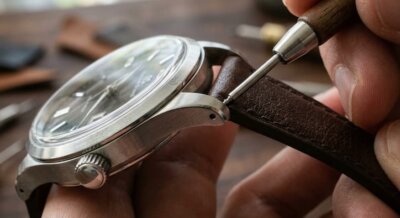
- Before you start, place the watch face-down on a soft, clean surface to avoid scratches. To remove a band, press and hold the small band release button on the back of the watch case, then gently slide the band piece sideways along the groove.
- For Sport Band and similar two-piece designs, remove each side separately. For solo and braided loop styles, remove them the same way. For Milanese Loop and metal Link Bracelet, open the clasp first so the band lies flat, then slide each end out.
- Slide the new band in smoothly along the track until you feel or hear a soft click and the band does not slide freely. For metal bands, attach each end one at a time until they lock in place.
- After switching, tug each side of the band gently to confirm it is secure, then adjust the fit so the watch sits snugly but comfortably with good sensor contact and room for your skin to breathe.
FAQ
1. What materials does Apple use in 2026 for official bands?
Apple’s current official lineup includes fluoroelastomer (Sport Band, Nike Sport Band, Ocean Band), nylon blends with polyester and spandex (Sport Loop, Alpine Loop, Trail Loop), stainless steel (Milanese Loop, Link Bracelet), titanium (Apple Watch Ultra models), FineWoven (Magnetic Link, Modern Buckle), and polyester yarn with silicone threads (Braided Solo Loop). Hermès bands may include leather, polyamide yarn, or fluoroelastomer. Apple-made leather bands were discontinued as of Series 9 and later.
2. What’s the difference between fluoroelastomer and silicone?
Fluoroelastomer is a high-performance synthetic rubber with superior sweat and chemical resistance compared to standard silicone. While fluoroelastomer is sometimes called silicone informally, Apple’s fluoroelastomer is a custom compound engineered for durability, shape retention, and a premium feel. Standard silicone is softer and less resistant to long-term wear and sweat exposure. Both are water-resistant, but fluoroelastomer is the better choice for active users and daily intensive wear.
3. Why did Apple discontinue leather bands?
Apple shifted away from leather as part of a broader move toward more sustainable and eco-friendly materials. Leather also requires regular conditioning, is NOT recommended for water activities, and can develop mold or odor if exposed to sweat and moisture. FineWoven, made from recycled polyester, offers a similar aesthetic and feel without these maintenance and durability drawbacks. Hermès leather bands may still appear in some Apple materials lists, as Hermès produces its own leather options for the Apple Watch.
4. What is FineWoven, and how does it compare to leather?
FineWoven is Apple’s replacement for leather, made from recycled polyester yarn woven around ultrathin threads. It has a soft, suede-like texture and is more sustainable than leather. However, unlike leather, FineWoven is NOT recommended for water activities or prolonged moisture exposure, as it can absorb liquids and develop stains or discoloration more easily than leather. FineWoven does not develop a patina over time as leather does. It is lighter and easier to clean than leather but requires careful avoidance of soap, sweat, and sunscreen.
5. Which material is best for sensitive skin?
Titanium and fluoroelastomer are generally the most hypoallergenic options, as they have minimal adhesive contact with skin and are resistant to sweat and chemical irritants. Nylon blends and fabric bands are also safe for most sensitive skin users, as they are breathable and allow moisture to evaporate. Stainless steel bands can trigger reactions in people with nickel sensitivity, even though Apple’s stainless steel (316L) complies with REACH regulations limiting nickel. If you have known nickel or acrylate sensitivities, review the decision-tree in the Skin Safety section or test a band briefly before committing to daily wear.
6. How do I know if I’m allergic to my band?
Watch for redness, itching, swelling, or a rash that appears where your band touches your skin, especially if symptoms develop within 24 to 48 hours of wearing the band. Moisture trapping under the band can worsen irritation, so always rinse and pat dry your wrist and band after workouts or exposure to sweat. If you suspect a nickel allergy from stainless steel, try a fluoroelastomer or titanium band instead. If symptoms persist with multiple materials, consult a dermatologist, as the irritant may be an adhesive ingredient (acrylates or methacrylates) or a skin condition unrelated to the band material.
7. Are there materials I should avoid due to safety concerns?
For detailed material composition or safety concerns beyond what Apple publishes, contact Apple Support directly. All Apple Watch bands undergo rigorous testing before release, including toxicological assessments and dermatologist consultation.
8. What’s Grade 2 vs. Grade 4 titanium?
Grade 2 and Grade 4 refer to titanium purity and strength classifications. Grade 2 is commercially pure titanium, lighter and more corrosion-resistant; Apple uses Grade 2 titanium in Apple Watch Ultra bands. Grade 4 is stronger and holds a sharper edge but is slightly denser. For consumer smartwatch bands, Grade 2 is the standard choice because it balances durability, light weight, and hypoallergenic properties. Both grades are equally water-resistant and suitable for outdoor activities. Expect minor hairline scratches on titanium bands with intensive use; these are cosmetic and do not affect function.