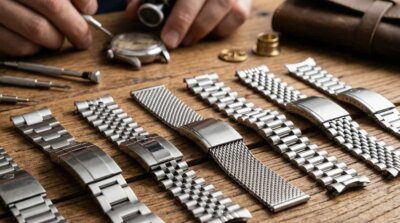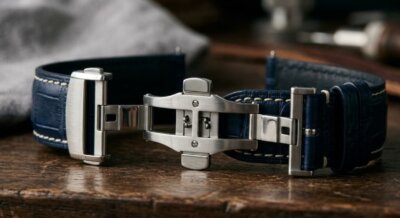
What Is a Quick Release Watch Strap?
A quick release watch strap is a watch band with an integrated spring bar and lever that lets you swap straps in seconds—no tools needed.
Imagine it’s Monday morning and you want to change your watch strap to match your outfit or prepare for the gym, but you’re running out the door. With a traditional watch strap, you’d need to hunt down a spring bar tool, carefully pry out tiny metal bars, and hope you don’t scratch your watch case. With a quick release watch strap, you simply press or slide a small lever on the underside of the strap, and the entire band comes free in one smooth motion. That’s the magic of quick release design.
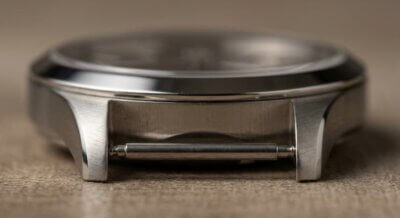
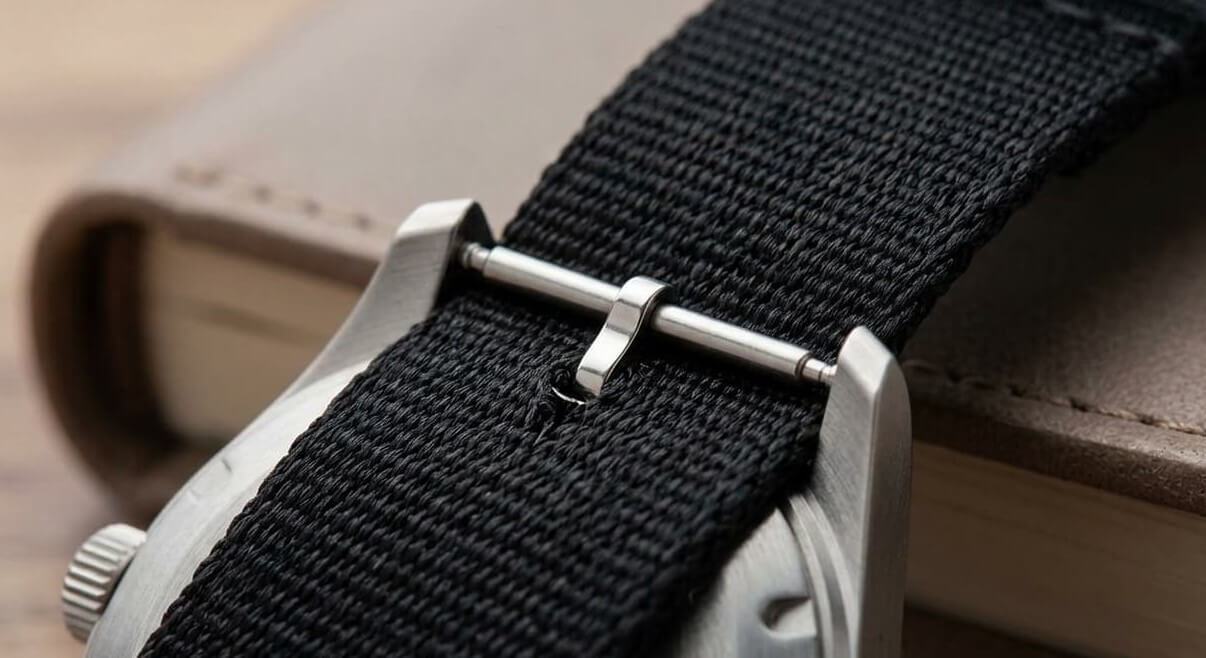
Unlike traditional straps that require a specialized spring bar tool to remove, quick release straps have spring-loaded bars built directly into each strap piece. A small lever on the strap compresses these bars when you activate it, releasing them instantly from the watch lugs (the small metal arms on the watch case). Once the lever is released, the strap clicks securely back into place. No tools, no fiddling, no risk of damaging your watch—just smooth, fast changes.
Quick release straps are ideal for watch collectors who like to rotate between multiple bands, people who want to match their watch to different occasions, and active wearers who need to swap straps on the fly. Whether you’re switching from a leather strap for the office to a sporty rubber strap for hiking, a quick release mechanism makes it effortless. You get the versatility to customize your watch’s look instantly while keeping your timepiece safe and scratch-free.
The core difference comes down to convenience and speed. Traditional spring bars require external tools and careful hand positioning to avoid damage. Quick release straps put the mechanism inside the strap itself, so you control the attachment and detachment with one simple finger action. This approach has quickly become popular among watch enthusiasts who value both style flexibility and ease of use.
Quick Release vs. Traditional Spring Bar Straps
To understand why quick release straps have gained popularity, it helps to compare them side-by-side with the traditional method of changing watch bands. Both approaches can be secure and reliable when used correctly, but they differ significantly in convenience, ease of use, and the tools required.
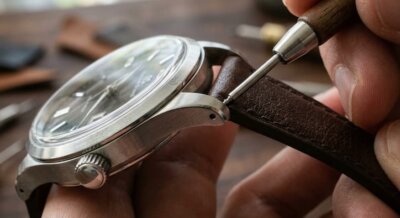
The traditional method relies on a separate spring bar tool to compress the spring bar and pry the strap away from the watch lugs. This process requires intentional pressure and precision; a slip of the tool can scratch or dent your watch case or dial, particularly around the lugs where the strap attaches. The whole process typically takes several minutes, and it demands familiarity with the technique. For someone who rarely changes straps, this is usually not a problem. However, for collectors who like to rotate straps frequently or anyone new to watches, the learning curve and damage risk can be frustrating.
Quick release straps, by contrast, feature an integrated spring bar with a small lever or button built into each strap piece. To change a strap, you simply press or slide the lever with your finger to disengage the spring bar, then lift the strap away. No tools, no prying against the case, and no expertise required. The entire swap takes seconds.
The damage reduction benefit is significant. Because you are not applying force with a tool against your watch lugs, the risk of accidental scratches or case damage is dramatically lower. This is especially valuable if your watch has a delicate finish or if you are handling a vintage or high-value timepiece.
Comparison Table: Quick Release vs. Traditional
The table below summarizes the key differences:
| Feature | Quick Release | Traditional Spring Bar |
|---|---|---|
| Tool Required | No | Yes (spring bar tool) |
| Time to Change | Seconds | 5–10 minutes |
| Damage Risk | Low | Higher |
| Ease of Use | Very easy | Requires skill |
| Learning Curve | Minimal | Moderate |
Quick release straps are ideal for anyone who enjoys experimenting with different looks, for watch collectors who rotate their collection, and for beginners who want to avoid the risk of damaging their timepiece during a strap change. Traditional spring bars remain a solid choice for those who prefer a classic design, rarely swap straps, or own vintage watches that were never designed for quick release compatibility. The choice ultimately depends on your lifestyle and how often you plan to change your watch strap.
How the Quick Release Lever Mechanism Works
Quick release watch straps rely on a deceptively simple but clever design: a small lever on the underside of the strap controls a spring-loaded bar that holds the strap in place. Understanding how this mechanism works will make the removal and installation steps feel intuitive and give you confidence that your watch is secure.
The Core Components
Every quick release strap has three essential parts working together:
- The spring-loaded bar (or pin): A metal rod with a small knob or ball on one end, embedded into each strap piece. This bar is held under tension by an internal spring, which naturally wants to push it outward.
- The lever (or release button): A small sliding or hinged control on the underside of the strap, positioned near where the bar exits. This lever is your key to controlling whether the bar is locked or free.
- The watch lugs: The two small arms on either side of your watch case. Each lug has a hole (lug hole) that the spring bar slides into to anchor the strap securely.
Your watch has two of these systems working in parallel because quick release straps are two-piece designs. The left strap segment (usually near the 6 on the dial) has its own spring bar and lever, and so does the right strap segment (near the 12). This redundancy means you remove and install each side independently, giving you full control.
How the Lever Compresses and Releases
The magic happens when you interact with the lever. Here is what occurs step by step:
- At rest, the spring-loaded bar is held in tension inside the strap, with its knob protruding slightly on the underside. The spring naturally keeps the bar pushed outward, so it sits firmly in the lug hole.
- When you press or slide the lever inward (toward the center or back of the watch), it physically pushes a cam or linkage that compresses the spring inside.
- This compression retracts the bar into the strap body, creating just enough clearance for the bar to slip out of the lug hole.
- The moment you release the lever, the spring pushes the bar back outward again, ready to lock into a new lug hole or re-engage with the old one.
This is why the lever requires deliberate pressure to disengage the strap: it is not a light toggle switch, but a compression mechanism that demands intentional action. Accidental jostling or brushing against the lever during normal wear will not trigger release because the spring is engineered to resist casual contact.
Understanding the Click
When you insert a quick release strap and push it into place, you will hear or feel a satisfying click. This sound or tactile feedback signals that the spring-loaded bar has fully seated into the lug hole and is locked in its correct position. The click is not magical; it is the bar snapping back to its resting tension after the installation pressure is released. If you do not hear a click, the bar may not be fully aligned with the lug hole, which is why the step-by-step installation guide will emphasize checking for this confirmation.
Why Two Levers?
Because each strap segment has its own spring bar, each also has its own lever. This design means you control removal and installation independently for the left and right sides of your watch. You do not compress both springs at once; you work one side at a time. This granular control prevents mistakes and makes the process feel natural once you understand that you are essentially doing the same action twice—once on each strap end.
Next, we will walk through the exact steps to remove a quick release strap using this lever system.
How to Remove a Quick Release Watch Strap (Step-by-Step)
Removing a quick release watch strap takes only seconds and requires no tools—just your fingers and a gentle touch. Follow these five straightforward steps to safely detach your strap.
Pre-Removal Checklist
Before you begin, confirm you have everything ready:
- A soft surface (cloth, mousepad, or watch repair mat) to protect the watch case.
- Good lighting so you can clearly see the lever on the underside of the strap.
- The replacement strap nearby (if you are swapping immediately).
- Confirmation that the replacement strap’s lug width matches your watch lugs.
- Clean, dry fingers for better control of the lever.
- A moment to test the new strap on one lug hole before fully committing to removal.
Removal Steps
- Place your watch face-down on a soft surface. This protects the dial and crystal from scratches and gives you clear access to the underside where the levers are located.
- Locate the small sliding lever on the underside of the first strap piece, near where it connects to the watch lug. The lever is usually a small protrusion or button that you can press or slide.
- Press or slide the lever inward toward the center of the spring bar. This action retracts the spring-loaded pin, disengaging it from the lug hole. Use gentle, deliberate pressure—do not force it.
- While the lever is held open, gently lift or pull the strap piece away from the lug. You may release the lever once the strap is fully free.
- Repeat steps two through four on the second strap piece. Once both sides are disengaged, the strap is completely removed.
Safety and Common Mistakes
Quick release straps are designed for easy removal, but a few precautions ensure you do not damage your watch. Use only gentle pressure on the lever—forcing it can bend the mechanism or crack the strap. If the lever feels stuck or stiff, do not yank the strap; instead, confirm you are operating the correct lever component (it should be on the underside of the strap, not on top). Avoid placing the watch on hard surfaces; a soft mat or cloth prevents case damage if you slip. If the strap does not come free after the lever is fully engaged, stop and inspect the lug holes for debris or damage before trying again. Remember: slow and aligned movements prevent accidents.
No special tools are required. Your fingers alone provide all the control you need to safely change straps in seconds.
How to Install a Quick Release Watch Strap (Step-by-Step)
Installing a quick release watch strap is straightforward once you understand the alignment principle. Unlike traditional spring bars that require tools, quick release straps snap into place with hand pressure alone. Follow these seven steps to install your strap securely and avoid common beginner mistakes.
Preparation
- Watch is placed face-down on a clean, soft surface (microfiber cloth or mousepad recommended).
- New strap lug width matches your watch lugs (check the specification on the strap packaging or box).
- Both strap pieces are within arm’s reach.
- Your hands are dry and free of oils or lotions that could affect grip.
- You have natural light or a lamp to see the lug holes clearly.
The Seven Installation Steps
- Start with the strap piece that does not have the lever (the non-lever end). Hold the watch steady and position this strap piece so its spring bar aligns with one of the watch lugs.
- Approach the lug at the natural angle of the watch strap. Most watches call for a roughly 45-degree angle of approach rather than a straight-on insertion. This angle matches how the spring bar is designed to seat in the lug hole.
- Insert the non-lever end of the spring bar into the lug hole first. Push gently until you feel the bar begin to engage. Do not force it; if you meet resistance, withdraw and re-align.
- Once the first end is seated, rotate the strap piece so the lever end swings into position. The lever should now align with the opposite lug hole on that same lug pair.
- Push the lever end of the spring bar into the lug hole while keeping gentle pressure on the other end. As the bar seats fully, you will feel or hear a distinct click. This click indicates the spring bar is locked in place.
- Gently tug the strap away from the watch to confirm it is secure. A properly installed strap should not move or slip. If you tug and the strap feels loose, remove it and repeat steps 2 through 5.
- Repeat this process for the second strap piece on the opposite lug pair (the other side of the watch case).
Pro Tip: The Angle Matters
The most common installation mistake beginners make is inserting the spring bar straight-on, perpendicular to the watch face. This approach causes misalignment and may result in the spring bar not seating or the lever not clicking properly. Instead, approach the lug hole at the angle the strap naturally assumes when worn on your wrist. For most watches, this is roughly 45 degrees. Tilt the strap piece to match this angle before inserting the spring bar, and you will find installation becomes almost effortless. If the bar does not slide in smoothly at your chosen angle, try rotating the strap piece slightly until you find the correct alignment path.
Pro Tip: The Click Confirms
The click you hear or feel when the spring bar seats is not just an auditory signal; it is your confirmation that the bar has compressed and locked into the secured position. If you complete step 5 and hear no click, do not leave the strap in place. Instead, gently remove it by sliding the lever inward and lifting the strap away. Then re-align and try again. A strap that does not click may slip off during wear. The click is non-negotiable proof of security.
After Installation (Testing)
- Listen and feel for the click on both the left and right lug pairs. If one side clicked and the other did not, remove the silent side and reinstall.
- Hold the watch and gently tug the strap away from the case on each side. The strap should not move, slide, or rotate.
- Inspect the gaps between the strap and the watch lug at each connection point. There should be no visible gap; the strap should sit flush against the lug.
- Put the watch on your wrist and wear it for a few minutes. Move your wrist normally and check that the strap feels stable and does not shift.
- After wearing for 5 to 10 minutes, remove the watch and re-check the connections. Sometimes a strap needs a moment to fully settle; verify the click is still present and the tug test still passes.
Common Beginner Mistake: Forcing or Rushing
A common error is pushing the spring bar in too hard or too quickly, especially if you do not hear an immediate click. Forcing the bar can damage the delicate spring mechanism or bend the bar slightly, causing future slipping. If installation feels difficult or the bar resists, stop, remove the strap, and reassess the angle and alignment. Quick release straps are designed to install with minimal pressure. If you feel significant resistance, something is misaligned. Reset and try again slowly and deliberately.
Is a Quick Release Strap Safe and Secure?
Quick release straps are designed with safety as the primary principle and will not fall off during normal wear when properly installed.
Why Quick Release Straps Stay Secure
The safety of a quick release strap comes down to three key features working together.
First, the spring-loaded bar is engineered to remain seated in the lug holes under normal conditions. The spring tension keeps constant pressure against the lugs, maintaining a firm connection throughout the day.
Second, the lever requires intentional, deliberate pressure to disengage the spring bar. You must consciously slide or pull the lever inward to compress the bar enough for removal. This design prevents accidental triggering during everyday activities like washing your hands, bumping your wrist, or adjusting your watch.
Third, the click you hear and feel during installation is your confirmation that the spring bar has snapped into its locked position. This audible and tactile feedback tells you the strap is fully secured and ready to wear.
The Physics of Security
Think of the spring bar like a coiled spring. When you align the strap and push it into the lugs, the spring compresses slightly as the bar settles into place. Once seated, the spring pushes outward against the lug holes on both sides, creating tension that locks the strap in. To remove it, you must overcome that spring tension by sliding the lever, which temporarily relaxes the spring and allows the bar to compress enough to lift free. Without that lever action, the spring tension alone keeps everything in place.
How to Confirm Your Strap Is Secure
After installation, perform a simple two-step check to verify security.
First, listen and feel for the click. As you release the lever after pushing the spring bar into the lugs, you should hear a distinct click and feel a slight snap. This is the spring bar locking into its seated position.
Second, perform a gentle tug test. With the watch on your wrist or held in your hand, gently grasp one end of the strap and pull downward with light to moderate pressure. A properly installed strap will not budge. If it feels loose or slides even slightly, stop and re-seat the strap by repeating the installation steps.
What If I Hear a Click but I’m Not 100% Sure?
Do the gentle tug test. If the strap is truly secure, it will not move. If you feel any give or looseness, remove the strap completely and reinstall it. Make sure both the lever side and the opposite side of the spring bar are fully seated in their lug holes before releasing the lever. Take your time; slow and aligned equals success. If after reinstallation the strap still feels loose or the lever does not produce a solid click, the strap itself may be defective and should be replaced.
When to Seek Professional Help
In rare cases, a strap may repeatedly slip or feel insecure despite correct installation steps. This usually means the spring bar is bent or worn and has lost its tension. Replace the strap with a new one.
If you notice the lug holes on your watch case are damaged, chipped, or enlarged, the watch case itself may need professional repair. Contact a qualified watchmaker to inspect and service the lugs before continuing to use quick release straps on that watch.
For typical quick release straps in good condition, installed correctly on an undamaged watch case, accidental strap failure during normal wear is extremely rare. The combination of spring tension, intentional lever pressure, and click confirmation makes quick release straps a reliable choice for everyday use.
Common Beginner Mistakes & Troubleshooting
Even with clear instructions, first-time users sometimes encounter small hiccups. The good news is that most issues are easy to fix and rarely indicate a defective strap. Below are the most common mistakes, their causes, and simple solutions to get you back on track.
Symptom: Installing Straight Instead of at an Angle
You align the spring bar with the lug hole but the strap feels loose or won’t seat properly.
Cause: Quick release straps work best when inserted at a slight angle (around 45 degrees) to match the natural geometry of the watch case lugs. Pushing straight in can cause misalignment and prevent the lever from clicking into the correct position.
Fix: Remove the strap and reinsert using the angled approach. Start with the lever end of the spring bar at a slight downward angle, then rotate the strap into place as you press the lever down. You should feel the bar slide smoothly into alignment before the click occurs.
Takeaway: Angle first, then press—not the other way around.
Symptom: Not Hearing a Click and Assuming It’s Insecure
You’ve installed the strap, but you didn’t hear a clear clicking sound, so you’re worried it’s not secure.
Cause: Some quick release straps produce a subtle or muted click, especially if the mechanism is new and slightly stiff. The click is there; you may just not hear it clearly over background noise or feel it through your fingertips.
Fix: Do not force the lever or assume the strap is loose. Instead, remove the strap carefully and reinstall it, paying close attention to the alignment. Once installed, perform a gentle tug test: grasp the strap and pull gently but firmly downward. If it does not move, the click has done its job. If you still feel uncertain, remove and reseat one more time using slower, deliberate movements.
Takeaway: A gentle tug test confirms security better than relying on sound alone.
Symptom: Pressing the Lever Too Hard
The lever feels stuck, or you’re worried you’ve damaged the mechanism because you pressed very firmly.
Cause: The lever is spring-loaded and requires only moderate, intentional pressure to engage or disengage. Excessive force can strain the mechanism or create resistance on the next use.
Fix: Use gentle, steady pressure when pressing or sliding the lever. Think of it as the same effort you’d use to press a doorbell, not a light switch. If the lever feels genuinely stuck after excessive pressure, stop immediately. Allow the strap to rest for a moment, then try again with light pressure. If resistance continues, the mechanism may be damaged and the strap should be replaced or inspected by a watchmaker.
Takeaway: Gentle pressure is all you need; force is never the answer.
Symptom: Pulling the Strap Without Fully Pressing the Lever
You try to remove the strap, but it feels like it’s still attached or stuck in the lug.
Cause: The spring bar will not disengage until the lever has been fully pressed or slid inward. Many beginners press the lever partially and then try to lift the strap, which doesn’t work because the bar is still in the locked position.
Fix: Before lifting, press or slide the lever all the way inward (toward the center of the spring bar). You should feel a slight resistance give way as the bar retracts. Once you’ve pressed fully, lift gently. The strap should come away from the lug with minimal effort.
Takeaway: Press the lever all the way first; lifting comes after.
Symptom: Confusing Strap Pieces or Incorrect Lug Width
You’ve bought a new strap that looks right, but it doesn’t fit your watch, or the pieces don’t align with your lugs.
Cause: Quick release straps come in different lug widths (typically 16mm, 18mm, 20mm, 22mm, or 24mm). If you’ve purchased a strap with the wrong lug width, the spring bars will either be too loose or too large to fit into your watch’s lug holes.
Fix: Check your watch’s lug width by measuring the gap between the two lugs on your watch case (see the Compatibility & Sizing section for detailed measurement instructions). When buying a replacement strap, always match this measurement exactly. If you’ve already purchased the wrong size, contact the seller about an exchange rather than attempting to force a mismatched strap onto your watch.
Takeaway: Lug width must match; there’s no workaround for an incorrect size.
Symptom: Lever Is Stiff or Won’t Move
The lever resists your pressure or seems stuck in one position.
Cause: A new or lightly used strap may have a slightly stiff lever due to manufacturing tolerance. Alternatively, dust or a small piece of debris may have entered the mechanism.
Fix: First, try working the lever gently back and forth several times to loosen it. If it remains stiff, wipe the underside of the strap with a soft, dry cloth to remove any dust or lint. Gently flex the strap and test the lever again. If the lever still doesn’t move smoothly after several cycles, the mechanism may be defective and you should request a replacement strap from the manufacturer.
Takeaway: Gentle use and cleaning usually cure a stiff lever.
Symptom: Strap Won’t Click Even After Multiple Attempts
You’ve pressed the lever and aligned the strap, but you never hear or feel a click, and the strap feels loose.
Cause: The spring bar may not be fully seated in the lug hole, or the lever may not be in the correct release position. Alternatively, the strap’s spring bar could be bent or damaged.
Fix: Remove the strap completely and inspect the spring bar for any visible bends or damage. If it looks straight, reinstall using the angled method: insert the lever end of the spring bar at a 45-degree angle, fully depress the lever, and only then rotate the strap into its final position. Ensure the opposite end of the bar is also fully seated in the lug hole before releasing the lever. If the strap still won’t click after correct installation, the spring bar is likely defective and should be replaced.
Takeaway: Re-seat the bar at an angle and ensure both ends are in the lug holes before releasing the lever.
Symptom: Strap Keeps Falling Off During Wear
The strap was secure when you installed it, but it detached from your wrist after a few minutes or hours of wear.
Cause: This can occur if the click did not fully engage (partial installation), the spring bar is bent or defective, or the watch’s lug itself is damaged or bent inward.
Fix: Remove the strap and perform the gentle tug test on a table (not on your wrist). If the strap slides off easily during the tug test, reinstall and verify the click is audible and the strap is snug. If it continues to slip after correct reinstallation, inspect the spring bar for bends—if bent, replace the strap. If the bar is straight and the strap still slips, examine the watch’s lug holes closely. If the lug appears bent or damaged, this is a watch repair issue and you should consult a professional watchmaker rather than continue attempting DIY installation.
Takeaway: Repeated slipping after correct installation usually indicates a defective strap or watch lug damage—not user error.
Remember: Slow + Aligned = Success. Every step rewards patience.
Quick Release Strap Materials & Customization
One of the biggest advantages of quick release straps is that the mechanism works identically across all materials. This means you can choose your strap based entirely on lifestyle, occasion, and personal preference without worrying about whether the lever will function the same way. Whether you opt for leather, silicone, or canvas, the spring-loaded bar and lever operate using the same simple physics.
Material Overview and Tradeoffs
Quick release straps are available in a range of materials, each with distinct benefits and considerations for different uses.
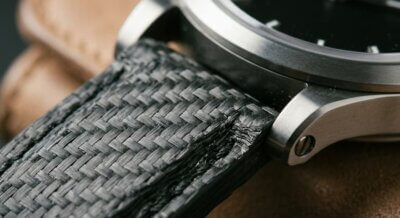
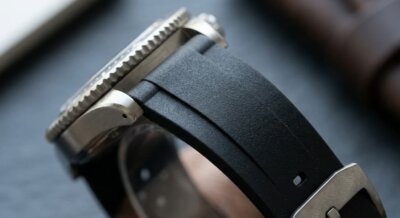
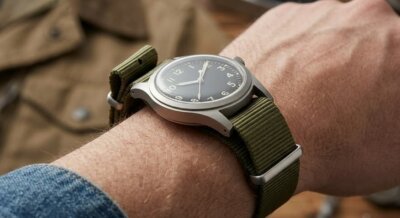
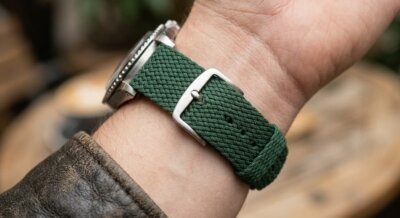
Leather straps offer a classic, formal appearance and work well for dress watches or professional settings. They develop character over time but require occasional care and are less water-resistant than synthetic options. Silicone and rubber straps (especially FKM, a high-performance elastomer) excel in sports, gym, and water activities. They resist moisture, dry quickly, and handle sweat without degrading. NATO and canvas straps provide a casual, durable look suitable for everyday wear and outdoor activities. NATO straps, in particular, are nearly indestructible and affordable. Canvas shares similar durability but adds texture and a vintage aesthetic. Hybrid options, such as leather with rubber backing or sailcloth with leather accents, bridge the gap between style and function.
The quick release mechanism does not care about material. A lever on a leather strap functions identically to a lever on silicone, so your choice of material affects comfort, aesthetics, and maintenance—not the ease of swapping.
Material Guide
The following table compares common quick release strap materials across key attributes to help you decide based on your needs.
| Material | Best For | Durability | Water Resistant | Price Range |
|---|---|---|---|---|
| Leather | Formal and dress watches | Moderate | Low | Medium |
| Silicone | Sports and casual everyday wear | High | High | Low to Medium |
| Rubber (FKM) | Gym, water sports, and intense activity | High | High | Low |
| NATO | Casual and outdoor adventures | High | Medium | Low |
| Canvas | Casual everyday and vintage aesthetic | Medium | Low to Medium | Low |
| Hybrid / Sailcloth | Versatile hybrid looks | High | Medium–High | Medium–High |
Why Customization Matters
Because quick release straps are tool-free to swap, you can rotate multiple straps throughout the year or week without friction. Many owners keep a formal leather strap for work, a silicone strap for the gym, and a casual NATO strap for weekends—all on the same watch. This flexibility transforms a single watch into multiple looks and functional configurations, something that traditional spring bar straps discourage due to the time and tools involved.
Quality varies by brand and price point. Higher-end manufacturers typically use premium leathers, medical-grade silicone, or sailcloth, whereas budget options may feel thinner or less refined. This does not affect the mechanism—only the longevity and tactile experience of the strap itself. When shopping, read reviews and inspect the stitching and material weight if possible.
When you are ready to explore beyond your default strap, the quick release mechanism ensures that swapping is as simple as when you first learned the lever. That ease of experimentation is what makes quick release straps a gateway to deeper watch customization and ownership joy.
Compatibility & Sizing: Will It Fit Your Watch?
Quick release straps are broadly compatible with most watches that have standard lugs, but the key to a secure fit is matching the lug width exactly. If your watch has standard lug spacing and you choose the correct strap size, you will be able to use a quick release strap regardless of the watch brand.
Understanding Lug Width
Lug width is the distance in millimeters between the two lugs on your watch case. Lugs are the small metal arms or anchors that extend from the watch case; they are where the strap connects. When you measure lug width, you are measuring the gap between these two anchor points, not the width of the lugs themselves. This measurement determines which strap size will fit your watch.
Think of lug width like a shoe size: just as shoes come in different sizes, watch straps come in different widths. A strap that is too narrow or too wide will not sit securely in the lug holes, and a mismatched size can cause the strap to slip or apply uneven pressure on the watch case.
How to Find Your Watch’s Lug Width
You can identify your watch’s lug width in three straightforward ways:
- Check the manual or product specification sheet. Many watch manuals list lug width in the technical specifications section.
- Measure the gap yourself using a ruler or digital calipers. Place the ruler or calipers across the gap between the two lugs (not including the lug material itself) and note the measurement in millimeters.
- Contact the watch brand or retailer directly. Customer service teams can confirm the lug width for any model in seconds.
If you are purchasing from an online retailer, always ask the seller to confirm lug width before you buy. A quick email or chat message can save you from ordering the wrong size.
Common Lug Widths and Watch Categories
To find your lug width, measure the gap between the two lugs on your watch case using a ruler or digital calipers.
| Lug Width (mm) | Typical Watch Category | Common Watch Types |
|---|---|---|
| 16mm | Small women’s watches, some men’s dress watches | Dress watches, vintage models |
| 18mm | Classic men’s dress watches | Dress watches, vintage models |
| 20mm | Standard men’s watches (most common) | Sports watches, everyday wear |
| 22mm | Larger men’s watches | Sports watches, diving watches |
| 24mm | Large men’s watches, some military watches | Military watches, tool watches |
If your watch does not fall into one of these categories, do not worry. Less common sizes like 17mm, 19mm, 21mm, or 23mm do exist, and quick release straps are available for them. The same buying rule applies: match the size exactly.
The Golden Rule: Match Exactly
Do not assume a close size will work. A 20mm strap will not fit securely on an 18mm watch, and an 18mm strap will not fit on a 20mm watch. Even a 2mm difference is significant and will result in a loose or unsafe connection. When you order a quick release strap, always verify that the strap size matches your watch’s lug width precisely.
Exact matching ensures that the spring bar pins seat properly in the lug holes, the lever engages smoothly, and the click confirmation (the satisfying sound that indicates secure attachment) occurs as designed. A mismatch compromises all of these safety features.
Special Cases: Smartwatches and Non-Standard Watches
Many modern smartwatches come with quick release straps as standard, but not all. If you own a smartwatch, check the manufacturer’s specifications or product page to confirm whether your model supports quick release straps and which sizes are compatible. Some smartwatch brands use proprietary lug systems that do not accommodate third-party quick release straps, so always verify before purchasing.
Vintage and antique watches may use non-standard lug widths or lug designs that do not accommodate modern quick release straps. If you own a vintage timepiece, consult a watchmaker or the original brand’s customer service to confirm compatibility before attempting to fit a quick release strap.
Frequently Asked Question: Can I Use a 20mm Strap on an 18mm Watch?
No. A 20mm strap will not fit securely on an 18mm watch. The spring bar pins will either be too wide to seat properly in the lug holes, or they will fit loosely and allow the strap to shift during wear. This misalignment defeats the purpose of the quick release mechanism and creates a safety risk. Always match the strap width to your watch’s lug width exactly. When in doubt, measure or contact the brand.
Unsure of Your Lug Width?
If you cannot find your lug width after checking the manual or measuring, use one of these backup options before you buy:
- Email the watch manufacturer with your watch model number and ask for the lug width specification.
- Visit a local watch retailer and ask a staff member to measure your watch for you.
- Post a clear photo of your watch to a watch enthusiast community online and ask for the lug width identification.
- If you have the original box or documentation, check for spec sheets that list all measurements.
Spending a minute to confirm lug width upfront will save you from the frustration and cost of ordering the wrong size.
Frequently Asked Questions
Below are answers to the most common questions about quick release watch straps. If you don’t find what you’re looking for here, refer to the Glossary of Terms for definitions of key terminology.
What is a quick release watch strap, and how is it different from a regular strap?
A quick release watch strap is a two-piece strap system with a spring-loaded bar and lever built into each piece, allowing you to attach and detach it from your watch without tools. A regular (traditional) strap uses a fixed spring bar that requires a spring bar tool to remove—a process that takes several minutes and carries a risk of accidentally damaging the watch case or strap. Quick release straps let you swap in seconds by simply pressing or sliding the lever on the underside of each strap piece.
How does the lever mechanism actually work?
Each strap piece contains a spring-loaded bar with a small lever attached to it. When you slide or pull the lever toward the center of the strap, it compresses the spring-loaded bar slightly, disengaging the pin from the watch lug hole. Once the lever is open, you can lift or slide the strap away. When you insert a new strap and release the lever, the spring pushes the bar back into the lug hole until it clicks into place, securing the strap. The click confirms the bar is fully seated and locked.
Is a quick release strap safe to wear? Will it fall off?
Yes, quick release straps are safe and secure when properly installed and in good condition. The lever requires intentional pressure to disengage, meaning accidental bumps or regular wear will not cause the strap to come loose. Each strap piece clicks firmly into place when installed correctly, and you can test the security with a gentle tug before wearing your watch. As long as the strap is not damaged and the watch lugs are in good condition, the strap will stay on your wrist just as reliably as a traditional spring bar strap. See the Is a Quick Release Strap Safe and Secure? section for more details on edge cases.
How do I remove a quick release strap without tools?
Turn your watch over to see the underside of the strap. Locate the small lever on each strap piece and slide it toward the center of the spring bar. Once the lever opens, lift that end of the strap away from the watch lug. Slide the other end of the spring bar off the lug, then repeat on the opposite side. The entire process takes 10–15 seconds per strap. Detailed steps are covered in How to Remove a Quick Release Watch Strap (Step-by-Step).
How do I install a quick release strap onto my watch?
Start by inserting the end of the spring bar that does not have the lever into the lug hole first. Then slide the lever end into the lug hole while gently pulling down on the lever to align the bar with the hole. Release the lever and listen for a click—this confirms the bar is seated. Repeat on the opposite side. The key is to approach the watch at the same angle the strap was designed for (typically around 45 degrees) to ensure smooth alignment. Full step-by-step instructions are in How to Install a Quick Release Watch Strap (Step-by-Step).
What is the “click” sound when I install a strap?
The click is an audible and tactile confirmation that the spring-loaded bar has snapped fully into the lug hole and is now locked in place. It indicates that the strap is secure and ready to wear. If you install a strap and do not hear a click, the bar may not be aligned with the lug hole—gently wiggle the lever end slightly to reposition it, then release again. A solid click is your cue that the installation is complete and correct.
What watch lug widths are compatible with quick release straps?
Quick release straps are made to fit specific lug widths, measured in millimeters as the gap between the two lugs on your watch case. Common widths include 18mm, 20mm, 22mm, and 24mm. You must match the strap width to your watch’s lug width exactly—a 20mm strap will not fit a watch with 18mm lugs. Check your watch’s manual or measure the gap between the lugs yourself to determine your size before purchasing a strap. See Compatibility & Sizing: Will It Fit Your Watch? for a lug width chart and measurement guide.
What materials are available for quick release straps?
Quick release straps come in a wide variety of materials, including nylon, leather, rubber, silicone, and woven fabrics. Each material offers different benefits: nylon is durable and casual, leather is elegant and ages well, rubber and silicone are water-resistant and sporty, and woven or canvas options offer a vintage aesthetic. You can rotate between materials depending on the occasion or season. See Quick Release Strap Materials & Customization for a detailed material guide and tradeoff explanations.
Can I use a quick release strap on any watch?
Quick release straps can be used on any watch with standard lug widths (18mm, 20mm, 22mm, or 24mm) and lugs in good condition. If your watch has non-standard lug widths, custom lugs, or is a smartwatch, quick release straps may not be compatible. Vintage and antique watches can use quick release straps as long as the lug width is standard and the lugs themselves are not damaged; if you are unsure about a rare or valuable timepiece, consult a watchmaker before attempting a strap change. See Compatibility & Sizing: Will It Fit Your Watch? for more information.
How long does it take to change a quick release strap?
After your first attempt or two, you can swap both strap pieces in 10–15 seconds. The first time you use a quick release strap, allow yourself 30–45 seconds to get comfortable with the lever and the alignment process. Once you understand the angle and the click feedback, the change becomes second nature and can be done in the time it takes to grab your coffee.
Can I use a quick release strap on a vintage or antique watch?
Yes, if the watch has standard lug widths (18mm, 20mm, 22mm, or 24mm) and the lugs are in good condition. Vintage watches with correct lug spacing are fully compatible with modern quick release straps. However, if your watch is rare, particularly valuable, or has non-standard or damaged lugs, consult a professional watchmaker before making any strap changes to avoid unintended damage.
Do quick release straps cost more than traditional straps?
Quick release straps are often priced slightly higher than basic traditional straps, depending on material and brand. The added cost reflects the precision engineering required for the quick-release mechanism. However, the convenience and versatility often justify the premium, especially if you plan to rotate between multiple straps or change your watch’s look frequently.
What if I lose the strap I removed?
Loose straps are easy to misplace, so develop a habit of storing removed straps immediately in a safe place. Keep a watch box, pouch, or small drawer dedicated to your spare straps. Label each strap with its lug width if you own multiple watches, so you can quickly identify which strap fits which timepiece. This simple practice prevents the frustration of losing a favorite strap or mixing up sizes.
Glossary of Terms
Here are simplified definitions of key terms used throughout this guide. Refer back to this section whenever you encounter unfamiliar watch terminology.
- Lug: The two small protruding arms on the watch case (typically at the 12 and 6 o’clock positions) that hold the watch strap in place.
- Lug hole: The small opening in each lug where the spring bar or quick release pin inserts to anchor the strap to the watch.
- Lug width: The distance in millimeters between the two lugs on your watch case. This measurement determines which strap sizes will fit your watch (common widths include 18mm, 20mm, and 22mm).
- Spring bar: A small metal rod with a spring-loaded mechanism inside it that compresses to allow removal and stays extended to secure the strap to the watch lugs.
- Quick release mechanism: The system built into a quick release strap that allows you to attach or detach the strap from your watch using a lever or button, without needing tools.
- Lever: The small sliding tab or button on the underside of a quick release strap that you press or slide inward to compress the spring bar and release the strap from the watch.
- Click: The audible or tactile feedback (a small snapping sound or sensation) you feel or hear when the spring bar locks securely into the lug hole during installation, confirming the strap is properly seated.
- Spring bar tool: A small metal device used to compress traditional (non-quick release) spring bars so you can remove or install a standard watch strap without the built-in lever mechanism.
- Buckle: The clasp or fastening mechanism at one end of the strap that secures the strap around your wrist (usually leather or metal).
- Pin: The retractable metal rod or prong that inserts into the watch lug holes to secure the strap in place on a quick release strap.