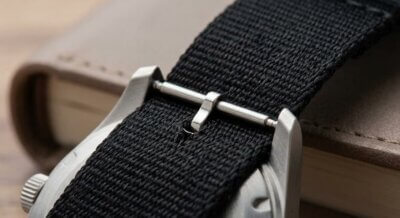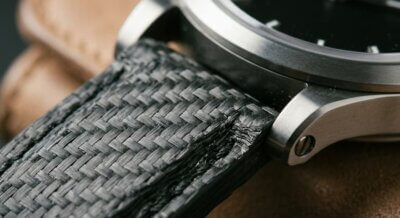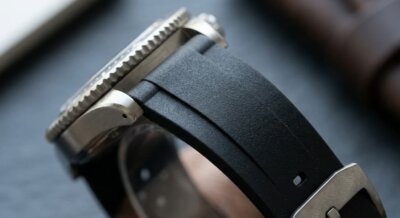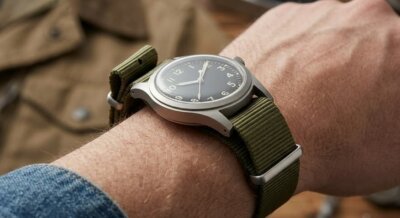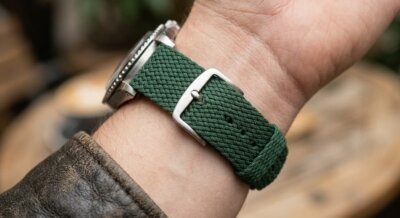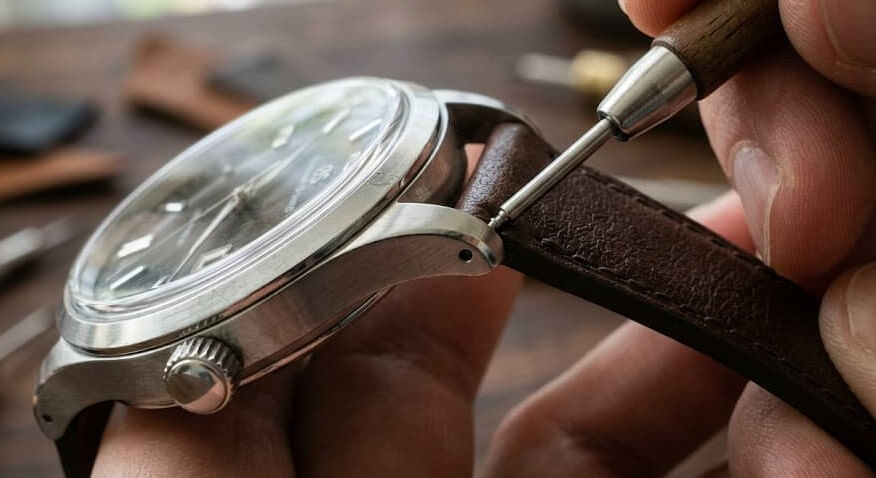
A watch spring bar is a thin metal rod with an internal spring mechanism that securely connects a strap or bracelet to your watch. This guide covers types, sizing, tools, and steps.
What Is a Watch Spring Bar?
A watch spring bar is a thin metal rod with a spring inside that connects a strap or bracelet to your watch.
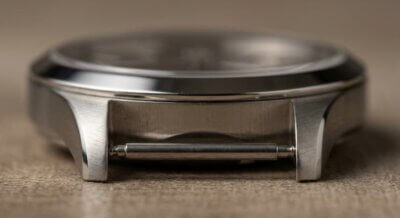
It fits between the lugs (the projections on the watch case that hold the bar). The spring inside allows the ends of the bar to retract when compressed, making it possible to slide the bar into small holes in the lugs and the strap or bracelet.
Once in place, the spring pushes the ends outward to hold everything securely, keeping the strap or bracelet attached to the watch case.
This design makes strap changes simple. You can swap out your strap for different styles or lengths using a basic tool to compress the ends, giving access to a variety of compatible strap options.
Key takeaways:
- It is a thin metal rod with a spring inside.
- It sits between the lugs on the watch case.
- The retracting ends secure the strap or bracelet in place.
Why Are Spring Bars Important for Your Watch?
A well-maintained spring bar is one of the most critical components keeping your watch secure and wearable. Spring bars enable the customization and ease of maintenance that many watch owners value.
Here are the key reasons spring bars matter in your daily wear:
- Bear the weight of your watch and handle the movement, tension, and pressure from wearing and adjusting the strap throughout the day.
- Help protect your watch lugs from excessive wear by distributing pressure evenly when the strap is seated correctly in the lug holes.
- Enable quick and easy strap changes, allowing you to customize your look or swap between a leather strap and metal bracelet without tools or professional help.
- Make basic watch maintenance simpler so you can clean your watch case or replace a worn strap without visiting a jeweler.
How Do Spring Bars Work?
To understand how do spring bars work, think of them as a simple yet clever mechanism inside a thin metal rod. The internal spring allows the ends to retract when squeezed, then push back out to lock into place.
Here is the basic process in four steps:
- Compress one end of the spring bar using a tool. This squeezes the spring inside, making the end retract inward toward the rod’s center.
- Position the bar between the lugs, aligning the retracted end with the lug hole on one side. Slide it in while keeping the other end ready.
- Release the compression. Spring tension pushes the ends outward, extending the end into the lug hole on the opposite side and seating the bar firmly.
- Check the seating by gently tugging the strap. The bar should hold steady under normal tension without slipping.
Once seated in the lug holes, spring tension keeps the strap or bracelet secure during everyday movement. The bar acts as a pivot, allowing the strap to flex with your wrist.
Common failure signs include the strap feeling loose, visible rust or dents on the bar, or one end not staying seated after compression tests. If you notice these, inspect before wear.
Types of Watch Spring Bars Explained
Watch spring bars come in several types, each designed for specific watch cases, straps, or user needs. Understanding these helps beginners pick the right one for easy strap changes and a secure fit.
| Type | Description | Best for | Pros |
|---|---|---|---|
| Straight spring bars | Classic cylindrical type | Most watches and straps | Simple and widely compatible |
| Double shoulder spring bars | Raised shoulders for grip | Easier tool removal | Better handling with tools |
| Curved spring bars | Shaped to match case curve | Rounded cases | Closer strap fit |
| Fat spring bars | Thicker and stronger | Heavy watches or wide straps | Extra support for weight |
| Tapered spring bars | Thicker middle, slimmer ends | Balanced strength needs | Strong center without bulk |
| Quick release spring bars | Built-in lever for release | Frequent strap changers | Tool-free convenience |
| Screw-in spring bars | Threaded for screwing in | Sport or dive watches | Added security |
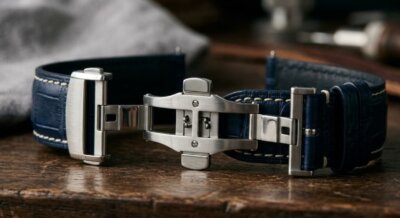
Quick release spring bars stand out for beginners who change straps often. Unlike traditional types that need a spring bar tool to compress and remove, quick release ones use a lever you flip for instant detachment—no tools required. Traditional bars offer broader compatibility when proper sizing and tools are used.
Watch Spring Bar Sizes: How to Choose the Right One
Choosing the right watch spring bar size starts with accurate measurements, as the spring bar must fit precisely between the lugs to secure your strap or bracelet safely. Fit always depends on your specific watch and strap, so measure carefully before purchasing or installing.
The key measurement is the lug width, which is the distance between the inner edges of the two lugs where the spring bar sits. This directly determines the spring bar length needed—typically, the bar should be slightly longer than the lug width to allow the ends to compress and seat properly in the lug holes.
Understanding Diameter and Tip Considerations
Diameter refers to the thickness of the spring bar. The middle diameter is the thicker central section, and the tip diameter is the slimmer ends that fit into the lug holes. Always match your watch’s lug holes to avoid loose fits or damage. A bar with the wrong diameter won’t seat securely, so check both middle and tip diameters against your existing bar or lug holes.
How to Measure Your Watch
Use these three beginner-friendly methods to measure your watch for the correct spring bar size. Each method gives you the lug width or confirms compatibility—double-check with a ruler or caliper for accuracy.
- Measure lug width directly: Place the watch face-down and use a digital caliper or ruler to measure the gap between the inner lug edges. This is your lug width; select a bar slightly longer for proper tension.
- Compare to existing bar: Remove your current spring bar (if safe) and measure its full length with calipers. This matches the needed replacement size exactly.
- Use strap or lug reference points: Measure the inner width of your strap’s end bar holes, then compare to your lug spacing.
Measurement Checklist
- Measure lug width accurately (inner distance between lugs).
- Confirm diameter matches lug holes (check middle and tip sizes).
- Verify strap compatibility (bar length fits strap bar holes).
- Test compression on an existing bar if possible.
- Note watch type and any special requirements.
Tools You Need for Spring Bars
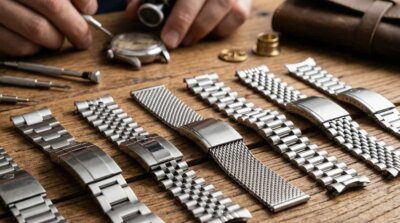
To safely replace spring bars at home, beginners need a few basic tools that make compressing and handling the bars straightforward. These tools help you work precisely without scratching the watch case or losing small parts.
The spring bar tool is the essential item. It features a fork end (to catch and compress the shoulder) for gripping and pushing in the spring bar ends, and a pin end (to push where appropriate) for finer adjustments or harder-to-reach spots. This dual design lets you compress the spring-loaded ends reliably before sliding the bar out of the lug holes.
Tweezers serve as a helpful secondary tool for precise handling. Use them to position straps, hold tiny spring bars steady, or retrieve dropped parts without fumbling.
Here is a basic toolkit checklist for spring bar replacement:
- Spring bar tool
- Tweezers
- Watch case opener
- Optional extras (case opener accessories, internal bars)
How to Remove and Install a Spring Bar Step-by-Step
Removing and installing a spring bar lets you swap straps safely at home, but it requires patience and the right approach. Follow these five steps carefully, verifying sizing from earlier guidance first.
- Choose a well-lit, soft surface like a microfiber cloth over a table to catch small parts. Lay out your spring bar tool, tweezers, and new spring bar nearby. Hold the watch gently by the case, avoiding pressure on the lugs.
- Identify the spring bar end between the lugs. Insert the fork end of the spring bar tool into the indent on the bar’s shoulder, then squeeze firmly to compress the spring-loaded end inward. Keep steady pressure to retract the tip fully.
- While compressing, use tweezers or your free hand to slide the bar out toward the strap side. If it resists, double-check compression and avoid forcing it, as this can bend the bar.
- Position the new spring bar through the strap or bracelet hole, aligning one end with the far lug hole. Compress that end with the spring bar tool’s fork or pin end and maneuver it into the lug hole until seated.
- Compress the near end similarly and slide it into the opposite lug hole. Release the tool slowly and tug gently on the strap to confirm both ends are seated snugly without wobble.
Work slowly in good light, and test the strap by flexing it lightly after installation. If the bar feels loose or slips, recheck sizing and seating before wearing.
Common pitfalls to avoid
- Slipping tool: Grip firmly but not too hard; practice on a spare bar if new to this.
- Scratching lugs: Angle the tool precisely to avoid metal-on-metal contact.
- Not fully seating: Always verify both ends pop out into lug holes; incomplete seating risks issues.
- Using wrong size bar: Measure lug width first to ensure proper fit.
- Rushing in dim light: Poor visibility leads to dropped parts or misalignment.
Frequently Asked Questions About Watch Spring Bars
What is a watch spring bar?
A watch spring bar is a thin metal rod with a spring inside that connects a strap or bracelet to the lugs, which are the projections on the watch case that hold the bar. The spring-loaded ends retract to fit into lug holes on both the case and strap. This setup allows for strap changes while keeping the connection secure during wear.
Why are spring bars important?
Spring bars hold the strap or bracelet firmly to the watch case, bearing daily tension and movement. They enable easy customization by allowing strap swaps without permanent fixes. Quality spring bars help minimize lug wear over time.
What are the different types of spring bars?
Common types include straight spring bars for most straps, double shoulder and curved spring bars for specific case shapes, fat spring bars for heavy cases, tapered spring bars for angled fits, quick release spring bars for tool-free changes, and screw-in spring bars for added security. Each suits different watch styles like dress, dive, or casual. Refer to the comparison table for details on pros and best uses.
How do I remove and install a spring bar?
Prepare a clean workspace, use a spring bar tool to compress one end and pivot it out of the lug hole, then repeat for the other side. For installation, compress both ends, align with lug holes, and release to seat them. Follow the 5-step guide to avoid common pitfalls like slipping tools or incomplete seating.
What tools do I need for spring bars?
Essential tools include a spring bar tool with both fork and pin ends for compression, tweezers for precise handling, and a watch case opener for access. These form a basic kit for most strap replacement tasks.
How do I choose the right watch spring bar size?
Match bar length to lug width, selecting a slightly longer bar for proper tension, and select diameter based on lug hole size. Consider tip diameter for slim ends that fit snugly. Always measure first using the three methods outlined to ensure compatibility without forcing a fit.
What is the difference between quick release and traditional spring bars?
Quick release spring bars allow tool-free swaps by pressing a button on the strap end, ideal for frequent changers. Traditional spring bars require a tool to compress the ends for removal or installation. Quick release offers convenience but may suit lighter daily use.
How do I measure my watch for spring bars?
Use a caliper for exact lug width between inner edges, a ruler for approximate checks, or compare to a known bar. Note diameter needs via existing bars if possible. Accurate measurement prevents fit issues and ensures a secure attachment.