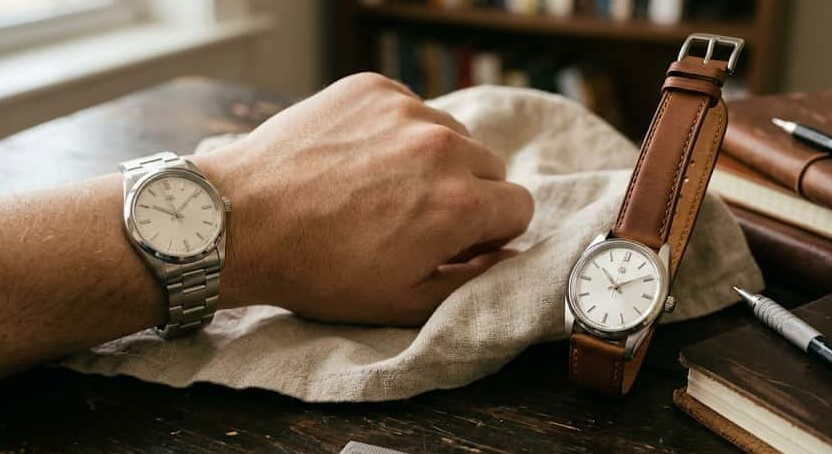
What Are Watch Band Styles? Bands vs Bracelets Basics
Watch band styles offer a wide range of options to match your wristwatch to any occasion, from rugged adventures to formal events. Understanding these styles helps beginners select the right one for comfort, durability, and personal taste.
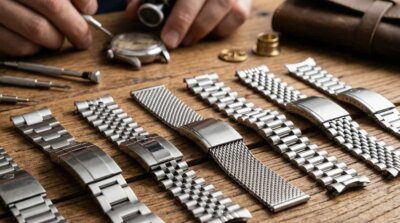
A watch band is the umbrella term for any attachment that secures a wristwatch to your wrist, whether metal or non-metal. A watch strap refers to flexible, non-metal bands made from materials like leather, fabric, rubber, or silicone. A watch bracelet specifically means a metal band composed of linked segments. While terms sometimes overlap in casual use, this guide uses “band” as the broad category, “bracelet” for metal types, and “strap” for flexible non-metal options.
Metal bracelets provide a structured, rigid feel with a premium weight that suits dress or professional settings. They often excel in durability for daily wear but may feel less forgiving on the wrist during intense activity. Flexible straps offer a softer, more adaptive comfort, ideal for sports or casual use, though they can stretch or wear faster depending on the material.
Adjustability differs too: bracelets use removable links or micro holes for precise sizing, while straps rely on buckles or velcro. Comfort varies by preference—bracelets stay cool and structured, straps conform and breathe better in heat. Durability leans toward bracelets for longevity, but straps win for flexibility in wet or sweaty conditions. Typical use cases include bracelets for office or evening wear, and straps for workouts or outdoors.
Choosing the right band style impacts your watch’s overall look, how it feels all day, and how long it lasts. A mismatched band can make a great watch feel off-balance or uncomfortable, while the right one elevates the entire piece for your lifestyle.
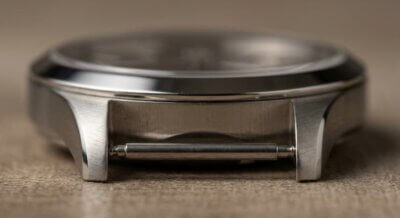
Two key concepts for buying replacements are lug width (the measurement between the watch case’s protruding ears, or lugs, ensuring a perfect fit) and spring bars (small, spring-loaded pins that slide into the lugs to attach the band, allowing easy swaps). Beginners check lug width first—common sizes are 20mm or 22mm—to avoid ill-fitting bands.
Some modern bands feature quick-release pins that let you swap styles without tools, making it simple to change for different outfits.
The table below compares bracelets and straps at a glance to highlight their tradeoffs.
| Aspect | Bracelets (Metal) | Straps (Non-Metal) |
|---|---|---|
| Typical Materials | Stainless steel, titanium | Leather, nylon, rubber, silicone |
| Adjustability | Removable links, micro holes | Buckles, velcro, holes |
| Comfort | Structured, cool feel; less breathable | Soft, adaptive; often more breathable |
| Durability | High resistance to daily wear | Good for activity; may need replacement sooner |
| Typical Use Cases | Dress, office, formal | Sports, casual, outdoors |
Use this table by matching your needs: opt for a bracelet if you want a polished, long-lasting option for work; choose a strap for active days or softer comfort. Consider your wrist size and daily activities to narrow it down.
Beginner Glossary: Key Watch Band Terms
- Lug width: Distance between the watch’s lug ears; match this for proper fit.
- Spring bar: Pin that connects band to lugs; removable for swaps.
- End link: Bracelet piece that hugs the watch case.
- Clasp: Closure that secures the band around your wrist.
- Deployment clasp: Folds flat and flips open for easy use.
- Butterfly clasp: Hidden folding design that tucks away smoothly.
- Removable links: Sections you can add or remove for sizing.
- Micro holes: Tiny perforations for fine length adjustments.
- Solid end links: One-piece links that fit precisely against the case.
- Brushed finish: Matte, linear texture that hides scratches.
- Polished finish: Shiny, mirrored surface for elegance.
- Quick-release: Tool-free swap mechanism on some bands.
- Patina: Natural darkening and character that develops over time on leather.
- Vegetable tanning: Eco-friendly leather process using plant extracts.
- PVD coating: Thin vapor-deposited layer for color or protection on metal.
Anatomy of Popular Watch Bracelets
Metal bracelets consist of interconnected links and specialized parts that secure the watch to your wrist while providing adjustability and style. Understanding these components helps beginners identify quality and fit when exploring bracelet designs.
Key Components of a Metal Bracelet
A typical metal bracelet includes links that form the chain, an end link that connects to the watch case, removable links for sizing, and a clasp for closure. The end link sits flush against the watch lugs for a seamless look. Removable links allow you to add or subtract sections to match your wrist size. These parts work together to balance durability, comfort, and appearance.
Clasp Types
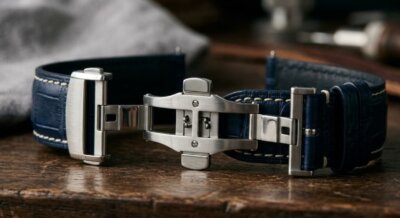
Deployment clasps fold inward multiple times and secure with a latch, allowing easy one-handed operation while keeping a low profile on the wrist. Butterfly clasps also fold flat but feature inner wings that tuck away for added security, which some wearers prefer for active use since they can feel more secure against accidental release. Both types distribute pressure evenly compared to simpler buckles.
Finishing Concepts
Brushed finishes create a satin-like texture with fine lines from abrasive brushing, reducing visible scratches and suiting everyday rugged wear. Polished finishes mirror light with a smooth, shiny surface, highlighting contours for dressier occasions but showing fingerprints more readily. Many bracelets combine both for visual contrast, like matte centers with gleaming edges.
Attachment Basics
Spring bars insert into holes on the end link and lugs to hold the bracelet in place, allowing removal with care. Some bracelets use pins or screws for more permanent attachment, which beginners should check for stability during swaps. Look for secure seating and even tension to avoid loosening over time.
The table below outlines core parts of metal bracelets, their functions, and examples of common styles where they appear.
| Part | Function | Common in (Oyster/Jubilee) |
|---|---|---|
| Clasp | Secures the bracelet ends with folding mechanism | Oyster, Jubilee |
| Links | Form the adjustable chain length | Oyster, Jubilee |
| End link | Connects bracelet to watch case flushly | Oyster, Jubilee |
| Removable links | Allow sizing by adding/removing sections | Oyster, Jubilee |
| Spring bar | Holds end link to watch lugs | Oyster, Jubilee |
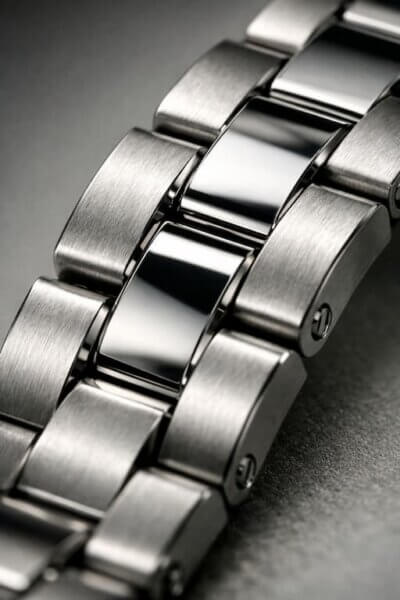
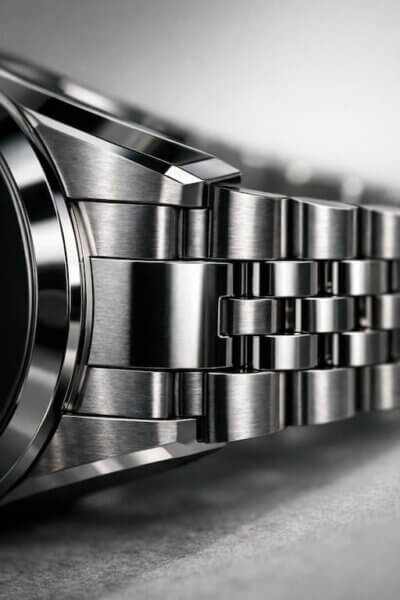
For the Oyster bracelet, imagine a flat three-link structure with a robust center link in brushed finish, flanked by solid end links that hug the case closely, connected by a deployment clasp. For the Jubilee, picture a five-link pattern where polished center links alternate with brushed side links, offering greater flexibility and a more refined drape. For mesh bracelets, visualize woven metal strands forming a flexible weave with thin end links and a folding clasp integrated into the design.
These elements contribute to the appeal of various metal bracelet designs. Next, we’ll look at top styles explained.
Top Metal Bracelet Styles Explained
Metal bracelets offer durable, structured options that elevate a watch’s presence on the wrist. These designs vary in link patterns and finishes, providing choices for sporty durability or refined elegance.
Oyster Bracelet
The Oyster bracelet features broad, flat three-link construction with a robust center link, often in brushed finish for a matte look that resists scratches. It suits sport and dive watches, like the Rolex Submariner, balancing daily wear with rugged use.
Core pros include high durability and even comfort across the wrist due to its solid structure and solid end links that hug the case securely. Cons involve limited flexibility compared to finer links and potential weight for smaller wrists.
Jubilee Bracelet
The Jubilee bracelet uses a five-link pattern with narrower polished center links between larger brushed side links, creating a flexible, elegant drape. Commonly paired with dressier models like the Rolex Datejust, it fits casual to formal occasions.
Pros feature superior flexibility for comfort and a refined look from contrasting brushed and polished finishes. Drawbacks include slightly less ruggedness than three-link designs and more visible wear on polished areas over time.
Milanese (Mesh) Bracelet
This woven metal design resembles fine chain mail, with a smooth, breathable feel that conforms closely to the wrist. Seen on watches like the Omega Seamaster, it works for casual and semi-formal settings.
Advantages encompass lightweight comfort and adjustability via its magnetic or simple clasp options. Cons cover potential snagging on clothing and a less structured appearance than linked styles.
Beads of Rice Bracelet
Beads of Rice bracelets display rounded, bead-like links in a three-link setup, offering a textured, vintage-inspired shine often with polished finishes. They suit casual to dress watches seeking subtle luxury.
Pros provide a unique visual depth and good flexibility from the curved links. Cons include higher maintenance to avoid trapped dirt in the beads and moderate weight.
President Bracelet
The President bracelet boasts semi-circular three-link architecture with pronounced polished center links flanked by brushed sides, exuding sophistication. It pairs well with formal dress watches.
Benefits include exceptional elegance and adjustability through removable links. Potential downsides are its heavier feel and visibility of scratches on polished surfaces.
Shark Mesh Bracelet
Shark Mesh refines the Milanese weave with denser, tapered links for a sportier edge, maintaining breathability. Ideal for dive or casual sports watches.
Pros offer enhanced durability over standard mesh and a secure, low-profile fit. Cons feature limited availability and a specialized look not suiting all cases.
H-Link Bracelet
H-Link bracelets employ H-shaped links for a modern, angular profile, blending brushed and polished elements. They complement contemporary sport and field watches.
Strengths lie in lightweight strength and a distinctive, balanced aesthetic. Limitations include less flexibility and niche appeal compared to classics.
The table below compares major styles, including these bracelets alongside popular straps, to highlight fit for different needs. Use it to weigh options by material and scenario.
| Style | Material | Best For | Pros | Cons |
|---|---|---|---|---|
| Oyster bracelet | Metal | Sport/dive | Durable, comfortable fit | Less flexible |
| Jubilee bracelet | Metal | Casual/dress | Elegant, flexible | Shows wear on polish |
| Milanese/Mesh bracelet | Metal | Casual | Breathable, lightweight | May snag fabric |
| Beads of Rice | Metal | Casual/dress | Textured elegance | Dirt trapping |
| President bracelet | Metal | Dress | Sophisticated look | Heavier weight |
| H-Link | Metal | Sport/casual | Modern strength | Niche style |
| Shark Mesh | Metal | Sport/dive | Dense durability | Specialized fit |
| Leather strap | Leather | Dress/casual | Classic comfort | Water sensitive |
| NATO strap | Nylon | Sport/casual | Versatile, affordable | Bulky under cuff |
| Perlon strap | Nylon | Sport | Adjustable, light | Casual only |
| Zulu strap | Nylon | Sport/outdoor | Rugged, secure | Thicker profile |
| Bund strap | Leather/nylon | Vintage/sport | Cushioned comfort | Warm in heat |
| Rally/Perforated strap | Leather | Sport/rally | Breathable style | Limited formality |
| Tropic rubber | Rubber | Dive/sport | Water resistant | Less elegant |
| Quick-release FKM | Rubber | Sport | Fast swap, waterproof | Synthetic feel |
Classic Leather Watch Strap Styles
Classic leather watch strap styles offer a timeless appeal, bringing a soft feel and refined look to any timepiece. These straps excel in dress and casual settings, where their natural texture and ability to develop patina over time add unique character.
Leather quality starts with the surface and tanning process. Full-grain leather uses the entire hide, including the outer layer, for a natural grain that shows authentic texture and may develop character with wear. Vegetable tanned leather, processed with natural plant extracts, often darkens and softens over time, creating a personal patina that many appreciate for its evolving appearance.
Strap profiles affect the overall style. Tapered straps narrow from the lugs to the buckle, creating an elegant, balanced proportion that suits dress watches by drawing less attention to the wrist. Straight straps maintain a consistent width, offering a bolder, more uniform look ideal for casual or field-style watches.
Hardware and construction details enhance both durability and style. Look for sturdy buckles that match the watch case in finish, secure keepers to hold the tail end neatly, and even stitching that reinforces edges without fraying. These elements ensure the strap holds up to daily use while complementing the watch’s design.
Some shoppers consider eco vegan leather as a plant-based alternative that mimics leather’s look and feel without animal products. It provides similar style options for those prioritizing sustainability.
Here is a practical pros/cons checklist for leather straps to help weigh their fit for your needs:
- Comfort: Softens with wear for a custom fit around the wrist.
- Dressiness: Elevates formal or office looks with subtle elegance.
- Water sensitivity: Can stiffen or stain if exposed to moisture regularly.
- Aging/patina: Develops unique character over time on vegetable tanned options.
- Maintenance needs: Requires dry storage and occasional conditioning to stay supple.
- Hardware durability: Check buckles and keepers for secure fit and longevity.
Fabric and Nylon Strap Styles
Fabric and nylon watch strap styles offer casual comfort, breathability, and easy adjustability for everyday wear. These lightweight options excel in active scenarios where flexibility and security matter most.
NATO Strap
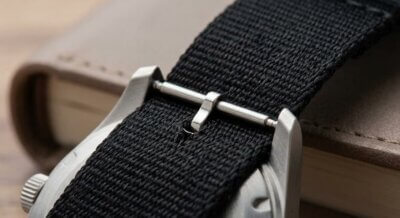
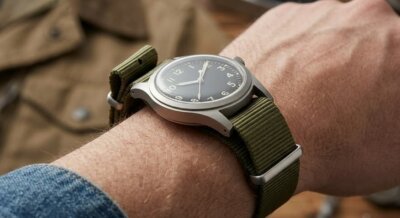
The NATO strap is a single-piece nylon design that passes under the watch case for added security. People choose it for its durability during travel or sports, as the one-piece construction prevents the watch from slipping off even if a spring bar fails. Check out a NATO straps collection for various styles.
Perlon Strap
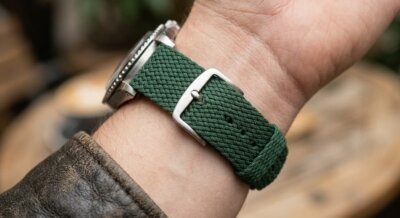
The Perlon strap features braided nylon weave that allows for precise adjustability without formal sizing holes. Its slim profile and breathability make it ideal for warm weather or layered outfits where a low-profile fit is key.
Zulu and Rally/Perforated Straps
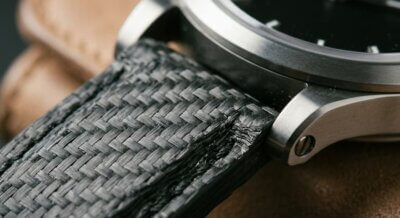
Zulu straps use thicker nylon webbing with heavier hardware for rugged use, differing from NATO by offering more structure for demanding activities. Rally or perforated straps add ventilation holes to fabric or leather bases, suiting high-sweat situations like motorsports or hot climates while maintaining a sporty look.
Here are practical examples pairing each style with typical scenarios:
- NATO strap: Everyday casual outings or hiking, where security and quick drying keep the watch reliable.
- Perlon strap: Office layering under cuffs or travel in humid areas, thanks to its slim, adjustable fit.
- Zulu strap: Outdoor adventures like boating, with its robust build handling rough conditions.
- Rally/perforated strap: Warm-weather runs or events, as perforations promote airflow without bulk.
Fit these straps by matching lug width first, then testing security for your wrist size. They pair well with field or dive watches for versatile, low-maintenance style.
Specialty and Vintage Strap Styles
Specialty and vintage style watch straps bring unique character and historical appeal to timepieces, often chosen for their distinctive profiles and niche use cases. These options expand beyond everyday choices, appealing to collectors and enthusiasts seeking something distinctive.
Bund Strap
The Bund strap features a padded design with an extra layer or insulator under the watch case, creating a pilot-style look that adds bulk and protection. It suits larger watches and those wanting a rugged, layered appearance. Often associated with pilot gear for cushioning during flights.
Tropic Rubber
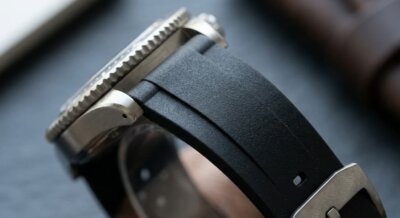
Tropic rubber straps offer a textured, perforated surface ideal for divers, providing flexibility and breathability in wet conditions. They pair well with vintage dive watches for a practical, retro vibe. Often associated with mid-century dive equipment for humid environments.
Aviator Rivet Straps
Vintage aviator rivet straps stand out with large leather construction and prominent rivets near the case, evoking adventure-ready durability. As a vintage aviator example, they add bold texture to pilot or field watches. Often associated with early aviation for securing watches under pressure.
Double Ridge and Waffle
Double Ridge straps show two raised lines for a textured, bold profile, while Waffle straps feature a grid-like pattern for grip and style. Both serve as specialty textures on leather or rubber, fitting casual or sporty setups.
Use this simple decision tree to pick between vintage style watch straps and modern alternatives:
- Do you want a vintage look? Yes: Prioritize Bund, Tropic rubber, or aviator rivet for historical appeal. No: Go modern minimal.
- Comfort over statement? Yes: Choose fabric or smooth leather. No: Select rubber or textured like Double Ridge/Waffle.
- Leather preference? Yes: Aviator rivet or Bund padding. No: Tropic rubber or nylon blends.
Materials Guide: Metals, Leathers, and Synthetics
Understanding materials helps match the right watch band to your needs, especially for comfort and skin sensitivity. Each category links to specific band styles, like metal for mesh bracelets or nylon for NATO straps.
Metals
Metal materials form the base for bracelet styles such as Oyster, Jubilee, and Milanese (mesh) bracelets. Common options include 316L stainless steel and 904L stainless steel, both valued for their corrosion resistance in everyday wear. These grades are both corrosion-resistant, with differences in composition noted by enthusiasts. For those concerned about skin reactions, titanium offers a lighter alternative that is often suitable for sensitive skin.
Explore stainless steel options for durable bracelet choices that fit various styles.
Leathers
Leather appears in classic strap styles, with variations like suede for a soft, textured feel and pull-up leather that shows natural marks under light. These connect to the tapered or straight shapes discussed in leather strap coverage, providing flexibility and a comfortable fit over time.
Synthetics
Synthetic materials power practical strap styles, including nylon in NATO and Perlon straps for breathability, rubber in Tropic rubber designs for water resistance, and silicone for a smooth, flexible option in sports settings. These often provide lightweight comfort compared to metals.
PVD Coating
PVD coating adds color or shine to metal bracelets, creating varied looks without changing the core material properties.
Allergy and Comfort Decision Aid
If skin sensitivity is a concern, use this checklist to guide your material choice. Results vary by person, so test small areas first and consult a professional for reactions.
- Often suitable for sensitive skin: titanium, nylon, rubber, and silicone.
- Some people may react to nickel in stainless steel grades; high-quality alternatives vary by individual.
- Opt for leather only if you tolerate animal products well; suede can feel softer but may irritate some.
- Look for coated or hypoallergenic-labeled options; PVD may help but does not guarantee comfort for everyone.
- Consider activity: synthetics for sweat-prone use, metals for less direct skin contact.
How to Choose the Right Watch Band Style
Choosing a watch band involves balancing personal preference, practical needs, and the specific watch you own. A band that works beautifully on a formal dress watch may feel out of place on a sports model, and comfort on one wrist might not translate to another. The right choice depends on understanding your priorities and how different styles serve different occasions and activities.
Key Decision Factors
Several practical considerations should guide your selection. Your wrist size determines whether certain bracelet widths and strap thicknesses will feel proportionate and comfortable. The occasion matters significantly: formal events typically call for sleeker metal bracelets or tapered leather, while casual outings allow for more texture and color. Your activity level is equally important—high-impact sports benefit from durable, secure options, while daily office wear can accommodate more delicate choices. Material sensitivities, particularly reactions to certain stainless steel grades, should inform your material selection. Finally, consider whether you prefer a band with quick-release functionality, which allows you to swap straps in seconds without tools, versus traditional attachment methods that require more effort.
Use the following checklist to evaluate any band option you are considering:
- Wrist size: Do you have a slim wrist, average wrist, or larger frame? Does the band accommodate your size without extra links removed or bunching at the clasp?
- Occasion: Will this band work for the contexts where you wear the watch (work, weekend, formal events, casual)?
- Material sensitivity: Do you have a known sensitivity to certain metals, leather tannins, rubber compounds, or synthetic dyes? Would an alternative material be safer for your skin?
- Activity level: Will this band withstand your typical use (desk work, gym sessions, outdoor adventures, water sports)?
- Quick-release preference: Do you want tool-free swapping for convenience, or are you content with traditional attachment methods?
- Patina preference: For leather, are you comfortable with visible aging and character development, or do you prefer a band to look new over time?
- Color match: Does the band color complement your watch dial and your typical clothing palette?
Matching Bands to Watch Types and Occasions
Different watch styles traditionally pair with specific band types. Use these guidelines to identify recommendations for your situation:
- Dive watch (robust, water-resistant): NATO strap, FKM rubber, or sailcloth are common choices. These prioritize security and quick drying. Quick-release FKM for sports offers fast swapping and reliable water resistance.
- Dress watch (refined, formal): Tapered leather strap or a sleek Milanese (mesh) bracelet are classics. A leather option conveys elegance; mesh adds contemporary sophistication. Avoid overly textured or casual styles in this category.
- Field watch (versatile, outdoor-ready): NATO strap, Zulu, or Sailcloth work well. These straps are durable and easy to replace if damaged. A leather strap can also work if you prefer the aesthetic and accept higher maintenance.
- Everyday/casual watch (balanced, wearable): Oyster or Jubilee bracelets offer polished durability; fabric straps like NATO or Perlon add personality. Choose based on whether you want a formal or relaxed impression.
- Chronograph watch (sporty, functional): Rally/Perforated straps or FKM rubber are traditional choices. These allow for water drainage and active movement. A casual metal bracelet like an H-Link can also work if you prefer a hybrid approach.
Wrist Measurement and Lug Width Guide
Before shopping, measure your wrist and note your watch’s lug width. These two measurements ensure any band you consider will fit properly.
Wrist measurement: Use a soft measuring tape or a piece of string and a ruler. Measure around your wrist where your watch normally sits—usually just above the wrist bone. Add 1 to 2 mm for comfort so the band is snug but not tight.
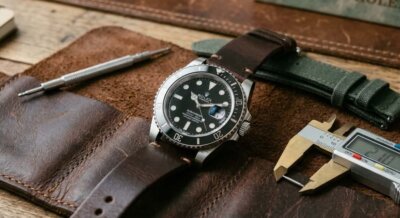
Lug width: Lug width is the distance between the two attachment points on your watch case. Use a digital caliper or ruler to measure the gap between the two lugs at the top (or bottom) of the watch. Ensure any new band matches this width exactly—a mismatched width will not fit securely.
When shopping online or in stores, look for band specifications that list the compatible lug width. Your wrist measurement helps you choose the right length; most bands offer some adjustability through clasp micro holes or strap stitching options.
Swapping and Interchangeability
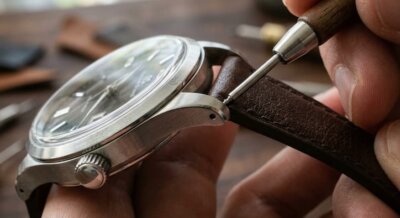
One of the benefits of watch ownership is the ability to swap bands to suit different occasions or seasons. Before attempting a swap, understand your watch’s attachment system. Most watches use spring bars—small metal bars that hold the band to the lugs. Some watches feature quick-release mechanisms, which allow you to detach the band by pressing a button or sliding a lever; these eliminate the need for tools and make swapping almost instant. Traditional spring bar attachment requires a spring bar tool and some care to avoid damaging the watch case or band.
When considering swaps, ensure any replacement band has the correct lug width for your watch. Even a 1 mm difference will prevent proper fitment. Check whether your watch’s attachment points favor solid end links (metal bracelet ends that are integrated into the watch case) or open slots (allowing any compatible strap to fit). Solid end links restrict you to metal bracelets of the same size, while open attachments offer greater flexibility for swapping between leather, fabric, and metal options. For detailed guidance on the swapping process, consult your watch manufacturer’s instructions.
Watch Band Care and Maintenance
Proper care extends the life of your watch band and keeps it looking its best. Different materials require different approaches, so understanding how to clean, store, and maintain each type helps prevent premature wear and ensures your band remains comfortable and secure on your wrist.
Cleaning by Material Type
Metal bracelets benefit from regular, gentle cleaning. Use a soft brush or cloth with lukewarm water and mild soap to remove dirt and oils that accumulate in the links and crevices. For stubborn grime, you can use a slightly dampened cloth with a small amount of jewelry cleaner, though be cautious around any gaskets or seals near the clasp. Dry thoroughly with a microfiber cloth afterward to prevent water spots and corrosion.
Leather straps require a more cautious approach. Avoid submerging them in water or exposing them to prolonged moisture, as this can weaken the leather and promote mildew. Instead, wipe leather gently with a dry cloth after wearing. If the strap becomes visibly soiled, use a barely damp cloth with minimal water, then dry immediately. Leather develops a patina over time—visible character marks and darkening that many watch enthusiasts embrace as part of the band’s aging process. If you prefer to slow this natural aging, store your leather strap in a cool, dry place away from direct sunlight.
Fabric and nylon straps, including NATO and Zulu styles, are more forgiving. You can rinse them under cool running water with a small amount of mild soap, then air dry completely before wearing. Avoid harsh detergents or bleach, which can fade colors or damage the weave. Rally and Perlon straps follow the same gentle cleaning approach.
Rubber and silicone straps are among the easiest to maintain. Rinse them with water and mild soap, scrub gently with a soft brush if needed, and air dry. These materials resist moisture well, making them ideal for active wear and water-based activities. Avoid leaving them in direct sunlight for extended periods, as UV exposure can cause fading or degradation over time.
Storage and Prevention
Store your watch bands in a cool, dry location away from direct heat and sunlight. Leather is especially sensitive to moisture, so avoid storing bands in humid environments like bathrooms. If you have spare bands, consider using a small container or fabric pouch to keep them protected and organized.
Check your band regularly for signs of wear, particularly where it connects to the watch case via the spring bar. A weakened or damaged spring bar can cause your band to fall off unexpectedly, so this is a safety consideration worth monitoring. If you notice rust, discoloration, or visible damage to metal components, or if a leather strap becomes cracked or excessively stiff, it may be time to replace the band.
For metal bracelets, periodically inspect the clasp mechanism to ensure it functions smoothly and securely. A deployment clasp should lock and unlock without resistance, and a butterfly clasp should sit flush against your wrist. If your bracelet has removable links, check that each link is properly seated and that the pins or screws holding them together are tight.
Band Maintenance Checklist
- Avoid exposing leather straps to water or excessive moisture; wipe dry immediately after contact.
- Clean metal bracelets regularly with a soft brush and mild soap to prevent dirt buildup in links.
- Store all bands in a dry environment away from direct sunlight and heat sources.
- Check spring bars and clasp mechanisms monthly for signs of wear or damage.
- Replace worn or damaged bands promptly to prevent loss or discomfort.
- Air dry fabric and rubber straps completely before wearing to prevent mildew or odor.
When to Replace Your Band
Several signs indicate it is time for a new band. Metal bracelets with cracked links, a clasp that no longer holds securely, or visible rust or corrosion should be replaced. Leather straps that become excessively cracked, stiff, or no longer hold their shape may no longer provide comfort or security. Fabric straps with fraying, tears, or significant fading can still function but look worn; replace them when they no longer match your aesthetic preferences or when stitching begins to fail. Rubber and silicone straps that crack, split, or become sticky should be replaced immediately to avoid skin irritation.
Spring bars themselves wear over time and can weaken, making it harder for them to hold your band securely. If you notice your band shifting or feeling loose even after tightening, the spring bar may need replacement. This is a routine maintenance task that keeps your band secure without requiring you to replace the band itself.
Consider investing in leather care products specifically designed for watch straps if you own leather bands regularly. These products, applied occasionally, can help condition the leather and slow visible aging if you prefer a less aged appearance. However, no product can prevent patina entirely—it is a natural part of leather’s character.
FAQ: Common Watch Band Questions
What’s the difference between watch band and bracelet?
A watch band is the umbrella term for any wrist attachment, while a bracelet typically refers to a metal link design like the Oyster or Jubilee. Bands include flexible options like leather or NATO straps, offering variety for different occasions, whereas bracelets provide a structured, durable feel suited to everyday or formal wear.
Oyster vs Jubilee: which is better for daily wear?
Both the Oyster and Jubilee bracelets work well for daily wear. The Oyster often suits active routines better due to its flat, robust three-link design, while the Jubilee offers a more refined look with its five-link pattern, ideal if you prefer elegance alongside comfort, though it may feel slightly less rugged during intense activity.
Best strap for sensitive skin?
Options like NATO straps, Milanese mesh bracelets, and silicone materials are often suitable for sensitive skin, as they avoid common irritants. Results vary by individual, so consider titanium accents where available, and test for comfort without assuming any option works for everyone.
How to measure lug width for new bands?
Lug width is the gap between the watch lugs, usually measured in millimeters with a caliper or ruler across the inside. Match this exactly to your new band for a secure fit, as common sizes range from 18mm to 22mm—always double-check your watch model to avoid mismatches.
Are leather straps suitable for swimming?
Leather straps generally are not suitable for swimming, as water exposure can cause swelling, cracking, or discoloration over time. Opt for rubber or NATO straps instead for water activities, and always dry leather promptly if it gets wet to minimize damage.
What is patina and why vegetable tanned?
Patina is the natural darkening and character that develops on leather over time from wear and oils. Vegetable tanned leather encourages this effect through plant-based processing, creating a unique, aged look that many appreciate for casual or vintage styles.
What is a quick-release watch band and is it worth it?
A quick-release watch band uses pins instead of traditional spring bars for tool-free swapping. It is worth it for frequent changers seeking convenience, allowing easy style switches without hassle, though compatibility depends on your watch’s lugs.
How do I swap a watch strap or bracelet at home?
Swapping involves compressing the spring bars with a tool to release the band from the lugs, then inserting the new one. Start with quick-release options for simplicity, work slowly to avoid scratches, and ensure the new band’s lug width matches perfectly for a snug fit.