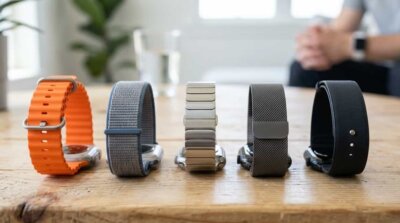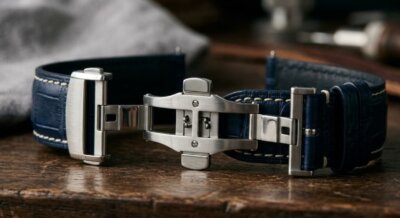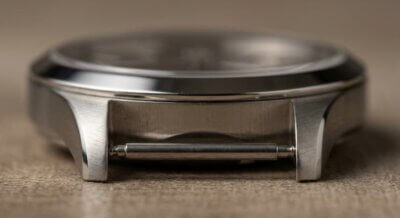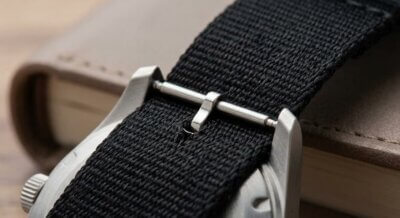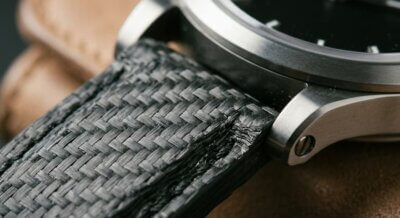
What Are Nylon and Silicone Watch Bands?
In the nylon vs silicone watch band comparison, understanding the core materials helps beginners see why one might suit daily wear better than the other.
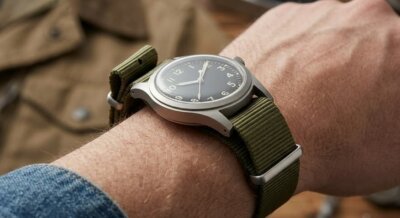
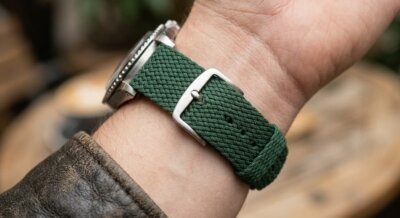
Nylon watch bands consist of woven polyamide (nylon fiber) threads, creating a textile-like weave that allows airflow through the material. This weave structure contributes to a lightweight feel, promotes breathability for sweat management, and enables quick-drying after exposure to moisture, though it can be prone to fraying over time with heavy abrasion.
Common nylon formats include NATO straps, which feature a pass-through (fail-safe-style) design where the strap weaves through the watch case for added security if the spring bars fail; Zulu straps offer a similar rugged style with minor variations in construction.
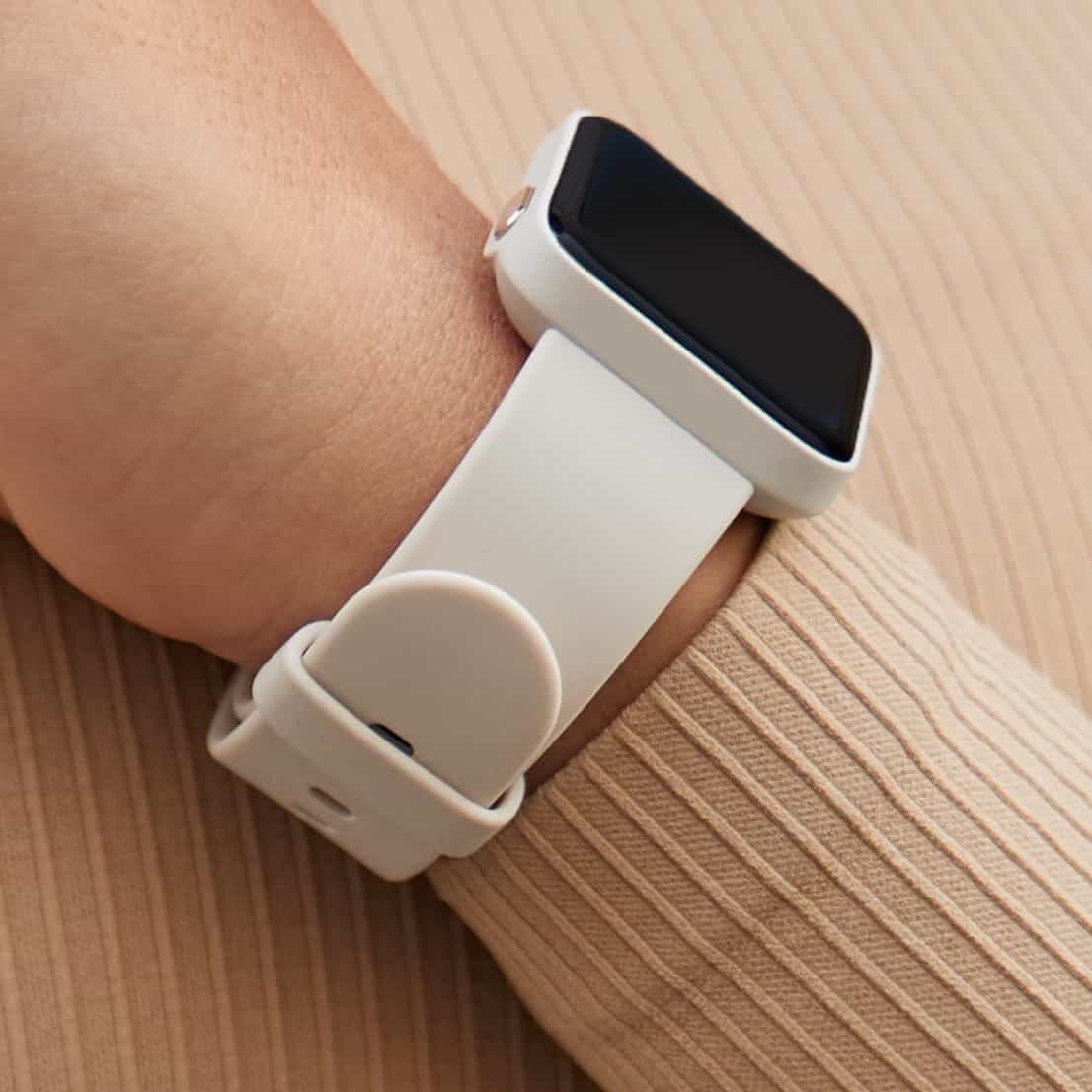
Silicone watch bands, by contrast, are made from a flexible, rubber-like non-porous polymer that forms a solid, seamless band. The non-porous nature means it repels water entirely and resists sweat *****, making cleaning straightforward, while its flexibility allows it to mold to the wrist.
Silicone is often considered hypoallergenic and suitable for sensitive skin, though some people report irritation regardless. The fundamental difference lies in nylon’s textile weave versus silicone’s solid non-porous construction, affecting everything from comfort to upkeep.
Nylon watch bands appear frequently in casual, sporty, and versatile daily wear scenarios, while silicone watch bands suit sport, dive, and many smartwatch applications.
Here is a brief preview of key pros for each material to frame the upcoming comparisons:
- Nylon pros: Lightweight weave for airflow, quick-drying tendency, wide color and pattern options for casual versatility.
- Silicone pros: Fully waterproof seal, easy wipe-down cleaning, flexible fit that hugs the wrist snugly.
Comfort Comparison: Nylon vs Silicone on Your Wrist
Building on the basic material traits, nylon vs silicone watch band comfort comes down to how they handle airflow, sweat, and all-day wear on your wrist.
Nylon watch bands excel in breathability, allowing airflow through their woven structure that helps manage sweat during extended use. Many find them lightweight, almost weightless, which reduces fatigue over long days. Over time, the weave can soften and adapt to your wrist for a custom feel. That said, coarser weaves or rough edges on lower-quality options may cause chafing, especially if the fit is too loose or tight.
- Breathability promotes airflow, ideal for hot weather or humidity.
- Lightweight design suits all-day wear without bulk.
- Potential for edge chafing based on weave quality and fit.
Silicone watch bands offer flexibility, molding smoothly to your wrist for a secure, cushioned fit that feels steady during movement. Often considered hypoallergenic, they appeal to those with sensitive skin. However, the non-porous surface can trap sweat and heat, leading to a clammy sensation in warm conditions or long wear, particularly if sweat builds up.
- Flexible and conforming for dynamic comfort.
- Smooth texture minimizes initial rubbing.
- May trap moisture, amplifying heat in humid climates.
Some people report irritation from silicone, possibly from trapped sweat or material contact; others find it works well. If sensitivity arises, clean the band thoroughly and try short wear periods to test.
Perforated or vented designs in either material can help airflow, though they add minor trade-offs like slightly less seamless protection from elements.
Comfort takeaway: Opt for nylon in humid or active scenarios needing airflow; silicone suits those prioritizing flexibility, with a trial for sweat-prone wrists.
Durability and Longevity: How They Hold Up
Both nylon and silicone watch bands are built to last, but they wear differently and respond to various environments in distinct ways. Understanding these differences helps you anticipate maintenance needs and choose a material that aligns with how intensively you use your watch.
Nylon Durability: Strength and Wear Patterns
Nylon offers good abrasion resistance for active outdoor use. The woven structure can handle brushes with branches, rocks, and rough terrain without tearing easily. However, nylon does have wear patterns to consider. Over time, especially with intense physical activity or poor care, the edges and stitching of a nylon band can begin to fray. This is particularly common around the pass-through loop or at the ends where the band attaches to the watch lugs. Fraying doesn’t mean the band has failed—it’s cosmetic in most cases—but it can signal that the band is nearing the end of its useful life or that cleaning and drying routines need improvement.
Quality matters significantly with nylon. Higher-grade options, such as ballistic nylon (a tightly woven, dense variant originally used in military applications), tend to resist fraying longer than standard weaves. Similarly, bands that are regularly cleaned and dried after exposure to moisture or sweat experience less deterioration of fibers at stress points.
Silicone Durability: Resistance and Failure Modes
Silicone resists many environmental stressors. It is highly resistant to UV exposure, helping it avoid yellowing and cracking from prolonged sun exposure better than many materials. It also resists chemicals, oils, and the corrosive effects of sweat, which makes it suitable for gym-goers and athletes. Additionally, silicone’s non-porous structure means it won’t absorb odors or bacteria the way porous materials can.
That said, silicone has its own failure modes. Tears can develop at stress points, particularly near the lugs where the band undergoes repeated flexing and tension. While silicone resists tearing under normal use, high-impact activities or a manufacturing defect can lead to small cracks that grow over time. Silicone may also yellow, crack, or become brittle with age, though this depends heavily on the quality of the silicone compound and environmental exposure. Lower-quality silicone is more prone to these cosmetic and structural changes.
Lifespan and Real-World Durability
Lifespan depends far more on individual use, care, and environmental factors than on the material alone. A nylon band worn during a desk job with regular gentle cleaning may perform reliably over months to years, and the same applies to silicone depending on use patterns.
Key factors that shape real-world durability include:
- Quality of the band (premium vs budget options have very different material consistency)
- Intensity and type of activity (casual daily wear vs. frequent extreme sports)
- Exposure to sweat, salt water, chlorine, and UV light
- Cleaning and drying habits (regular maintenance extends life significantly)
- Storage conditions (moisture, heat, and direct sunlight accelerate degradation)
- Fit and adjustment (bands that are too tight experience more stress at attachment points)
Rather than expecting a guaranteed duration, think of durability as a spectrum influenced by your choices. A well-maintained nylon or silicone band from a reputable maker can perform reliably when paired with consistent care routines. Conversely, either material can show significant wear within a short period if subjected to harsh use and neglect.
Aging and Aesthetic Changes
As nylon ages, it often develops character. The weave may soften slightly, colors can fade with sun exposure, and the band takes on a lived-in appearance that some users find appealing. This natural patina is part of the material’s charm for many outdoor enthusiasts.
Silicone ages differently. It may yellow, especially lighter colors, and the surface can become sticky or brittle as the material oxidizes. While these changes are often cosmetic and don’t affect function, they are noticeable over time. Higher-quality silicone compounds resist these changes longer, but they are not immune to them.
Nylon and silicone durability profiles:
- Nylon strengths: Abrasion-resistant material stands up to outdoor activities; resists tearing during rough handling.
- Nylon considerations: Edges and stitching can fray with intensive use or poor care; requires regular drying to prevent fiber degradation; color can fade with prolonged UV exposure.
- Silicone strengths: Resists UV exposure, chemicals, and sweat damage; non-porous surface resists odor absorption and bacterial growth.
- Silicone considerations: Can tear or crack at stress points near watch lugs with heavy use; may yellow, crack, or become brittle as it ages; quality of the silicone compound significantly impacts longevity.
Water Resistance and Sweat Performance
Building on how nylon and silicone watch bands hold up over time, their performance in water, sweat, and humid conditions often decides their fit for daily routines or workouts.
Silicone watch bands stand out as fully waterproof, making them a reliable choice for frequent water exposure. Their non-porous nature keeps water out entirely, so they handle everything from showers to swimming without issue. This also applies in chlorine-filled pools or saltwater, where silicone resists degradation better than many alternatives, though quality and thickness can influence long-term performance in harsh chemicals.
Nylon watch bands, with their woven structure, offer quick-drying tendencies and work well for splashes, rain, and sweat. They manage short bursts of moisture effectively, like getting caught in a downpour or handling gym perspiration. However, nylon is not ideal for prolonged submersion, such as extended swimming, because it can absorb water over time, potentially leading to heavier feel or slower drying if saturated.
In humid climates or sweaty scenarios, nylon’s airflow helps with sweat management. Runners often find nylon preferable for breathability, avoiding the trapped moisture that non-porous silicone can create during long sessions. Silicone, while waterproof, may lead to a slick or sticky buildup in heavy sweat without prompt care.
For everyday exposures like a quick shower, both can cope, but nylon shines in rain or brief hand-washing moments, while silicone takes on full immersion worry-free. The key distinction matters for activities: short exposures favor nylon’s lightness post-dry, but anything involving sustained water points to silicone.
Post-Exposure Care Steps for Each
Handling moisture right after exposure keeps both materials in top shape. Follow these beginner-friendly steps tailored to each.
For silicone after water or sweat:
- Wipe the band thoroughly with a soft, damp cloth to remove salt, chlorine, or sweat residue.
- Rinse under fresh water if exposed to pool or sea.
- Pat dry with a clean towel and let air dry fully before wearing again.
- If buildup feels sticky, spot-clean with mild soap during your next full routine.
For nylon after splashes, rain, or sweat:
- Gently rinse under cool running water to flush out trapped moisture or dirt.
- Press with a towel to absorb excess water—avoid wringing to prevent fraying.
- Air dry in a well-ventilated spot; its quick-drying weave usually handles this in under an hour.
- Brush lightly if any fibers clump, then proceed to regular cleaning if needed.
Style and Versatility: Matching Your Look
Now that we’ve covered how nylon and silicone watch bands perform in water and sweat, let’s explore how they fit into your wardrobe and daily style needs.
Nylon watch bands shine in versatility thanks to their woven textures and wide array of colors and patterns. The weave often gives them a sporty or utilitarian vibe that pairs well with casual outfits, but choosing muted tones or finer weaves can nudge them toward business casual looks. This range makes nylon straps easy to match across different days.
Silicone watch bands, on the other hand, offer a sleek, modern profile with matte finishes that emphasize a sporty, streamlined appearance. Their smooth, non-porous surface and subtle sheen tend to suit athletic or everyday casual wear best, though they may feel out of place in more formal settings due to the lack of visual texture.
Consider these outfit-pairing examples:
- A nylon strap in navy weave with chinos and a button-down shirt works for business casual office days, blending utilitarian charm without overpowering the look.
- A black matte silicone strap pairs seamlessly with gym shorts and a t-shirt for workouts, keeping things simple and low-profile.
Formal pairing pitfalls highlight the differences in a silicone vs nylon strap. A glossy silicone band might draw unwanted attention under a suit jacket, appearing too athletic against crisp fabrics, while a bold-patterned nylon weave could clash with evening wear—opt for solid colors in nylon to minimize this.
Rotation adds even more flexibility, letting you swap bands to match outfits and activities. For instance, wear a neutral nylon strap for weekday business casual, then switch to a vibrant silicone one for weekend running or hiking, keeping your watch fresh across contexts.
Ultimately, nylon tends to offer broader style range for varied wardrobes, while silicone excels in consistent, low-key sporty appeal—choose based on your most common looks.
Maintenance and Cleaning Guide
Proper care keeps your nylon or silicone watch band feeling fresh and looking good longer, helping manage odor and buildup from daily wear.
Cleaning Your Nylon Watch Band
Nylon straps, with their woven structure, can absorb sweat and odors more readily than silicone, so routine cleaning helps prevent lingering smells and maintains airflow comfort.
For weekly maintenance after active days, do a quick spot clean. For deeper monthly care or after noticeable odor:
- Remove the band from your watch if possible.
- Fill a bowl with warm water and a few drops of mild soap.
- Soak the band briefly to loosen dirt and sweat residue.
- Gently scrub with a soft brush, focusing on the weave and inner side where skin contact occurs.
- Rinse thoroughly under running water until no soap remains.
- Pat with a clean towel to remove excess water, then air dry flat away from direct heat or sunlight.
This approach helps nylon dry quickly while minimizing trapped moisture that could lead to mustiness.
Cleaning Your Silicone Watch Band
Silicone straps attract dust and lint easily due to their smooth, non-porous surface, but they clean up fast with simple methods that preserve their flexibility.
Weekly, after workouts or sweaty use, wipe it down. For monthly or as-needed deep cleans:
- Remove the band from your watch.
- Wipe with a damp cloth to remove surface dirt and lint.
- For tougher grime, mix mild soap with warm water and wipe using a soft cloth or sponge.
- Avoid soaking if the band has textured areas that trap debris.
- Rinse with clean water and wipe dry immediately with a towel.
- Air dry fully before reattaching, ensuring no moisture lingers under the buckle.
Regular wiping prevents the dull film that can build up from lotions or sweat.
Weekly vs Monthly Routines
Make weekly care a habit for high-use bands: quick wipe or soak for nylon, damp cloth for silicone after runs or gym sessions. Reserve monthly sessions for full scrubs when you notice odor on nylon or visible dust on silicone. Consistent attention like this can help both materials stay comfortable against your skin.
Longevity Factors Checklist
To extend the life of your strap, pay attention to these care influencers:
- Abrasion on nylon: Minimize rubbing against rough surfaces; gentle scrubbing preserves the weave.
- Trapped sweat: Air drying after cleaning prevents breakdown in both materials.
- UV exposure on silicone: Store away from sun to reduce yellowing risk; nylon may develop patina but holds color better.
- Chemicals for silicone: Rinse off soaps, lotions, or chlorine promptly to avoid degradation.
- Odor buildup in nylon: Frequent mild soap washes neutralize sweat acids before they set in.
- Dust/lint on silicone: Weekly wipes keep the surface smooth and irritation-free.
Nylon vs Silicone for Specific Activities
Material choice becomes clearer when you consider how you actually wear your watch. Different activities place different demands on a strap, and what works for an office commute may not suit a weekend run or a beach trip. This section translates the nylon vs silicone comparison into real-world scenarios and helps you decide based on your lifestyle.
Running and High-Sweat Workouts
Running presents one of the most common decision points for choosing between these materials. Both can work, but they excel in different ways.
Nylon straps offer superior breathability and airflow, which many runners appreciate during sustained cardio. The woven structure allows sweat to evaporate rather than pool against your skin, reducing the sticky, clammy feeling that some people experience with silicone. Nylon also tends to feel lighter on the wrist, which matters during longer runs. Additionally, nylon’s adjustability—you can tighten it as snugly as you prefer without relying on preset holes—appeals to runners who prefer a custom fit that doesn’t shift during movement.
Silicone straps, by contrast, provide a secure, stable feel that some runners prefer. The flexible material molds to your wrist and stays put without slipping, which can be valuable during high-impact activity. However, silicone’s non-porous surface means sweat doesn’t evaporate as readily; instead, it can accumulate between the strap and your skin. For runners in cool or dry climates, this may not be noticeable, but those in hot or humid conditions often report a trapped, uncomfortable sensation. Some people also experience chafing or irritation from prolonged silicone contact during intense workouts, especially if they have sensitive skin.
Running-specific pros and cons:
- Nylon: lightweight, breathable, adjustable fit, quick-drying after sweat exposure
- Nylon considerations: may absorb and retain odor if not cleaned promptly; slower to dry than silicone after direct water exposure
- Silicone: secure fit, water-resistant for shower compatibility, easy to wipe clean post-workout
- Silicone considerations: can trap sweat and heat; may cause irritation with prolonged contact in hot weather
Gym, Swimming, and Water Sports
For activities that involve frequent water contact, silicone has clear advantages. Silicone’s waterproof design means it survives chlorine exposure, saltwater splashes, and humid locker-room environments without degradation. It’s also effortless to rinse clean after a workout, making it ideal for someone who transitions between the gym floor, pool, and shower without changing straps.
Nylon can handle sweat, light rain, and splashes, but it’s not ideal for frequent or prolonged water immersion. While some nylon straps feature water-resistant coatings, they still absorb more moisture than silicone and take longer to dry completely. In chlorinated or saltwater environments, untreated nylon may degrade over time. If you’re a competitive swimmer or spend multiple hours per week in the water, silicone is the safer choice.
That said, nylon remains viable for gym-only routines where your watch rarely touches water. Heavy sweating during weight training or cardio classes poses no problem for nylon if you rinse and dry it promptly after each session.
Water and gym activity pros and cons:
- Silicone: fully waterproof, chlorine/saltwater resistant, quick-drying, minimal maintenance after water exposure
- Silicone considerations: can accumulate sweat in high-humidity environments; some people report chafing after extended wet wear
- Nylon: fine for sweat and light splashes, comfortable for long gym sessions
- Nylon considerations: slower to dry; not recommended for frequent swimming or water-immersion activities
Daily and Hybrid Use
Most people don’t belong to a single activity category. An engineer might walk to the office, spend eight hours at a desk, take a lunch-break jog, and commute home through light rain. A hiker might pair weekend trail use with weekday office wear. In these hybrid scenarios, many people find rotating between nylon and silicone straps the best solution.
Rotating allows you to match the strap to the day’s demands. Wear nylon for office days with an evening gym session; switch to silicone for a beach trip or a day when you’ll be caught in rain. If your watch accepts quick-swap designs—such as pass-through NATO-style straps—changing straps takes seconds, making rotation practical even for frequent switchers.
If you prefer a single strap for everything, choose based on your most common activity. If you spend most of your time in an office and occasionally on outdoor or active pursuits, nylon’s comfort and versatility may edge out silicone. If you’re equally split between gym workouts and daily wear, silicone’s robustness and easy maintenance might win.
Daily and hybrid-use pros and cons:
- Nylon: versatile across multiple settings; comfortable for all-day wear; affordable to own multiples
- Nylon considerations: requires more thoughtful care before water exposure; may not suit heavy rainfall or water-based activities
- Silicone: reliable in unpredictable conditions; minimal fuss if weather changes or plans shift
- Silicone considerations: may feel less comfortable on very hot days; rotation less practical if you want a single strap
Activity-Based Personas
To illustrate how different people might choose, consider these examples:
Maya is a software engineer who works at a desk in an office, takes occasional runs, and rarely encounters water exposure beyond occasional rain. Her priority is comfort during work hours and airflow during runs. Nylon aligns well with her needs; it feels light and breathable during her workday and supports her running routine. She rinses her nylon strap after workouts and air-dries it.
Jordan is a trail hiker and outdoor photographer who spends weekends in variable weather and prioritizes durability in unpredictable conditions. While nylon’s breathability appeals to him for active hiking, he’s concerned about potential degradation from unexpected rain or creek crossings. He leans toward silicone for its predictable water resistance and ease of care between outings.
Priya is a competitive runner in a hot, humid climate. Her primary concern is managing sweat and preventing chafing during long runs. Nylon’s superior airflow and lightweight design feel essential to her; silicone’s tendency to trap heat during extended runs sounds uncomfortable. She accepts that nylon requires more careful drying post-run but views that trade-off as worthwhile for run-day performance.
Choosing Based on Lifestyle
Use this checklist to narrow your choice based on your typical activities and environment:
- If you run regularly in hot or humid conditions, lean toward nylon for its breathability and sweat management.
- If you swim, take regular showers with your watch on, or spend significant time in water, choose silicone for full waterproofing.
- If you have sensitive skin or experience heat rashes, try nylon first for its airflow; if irritation occurs with silicone, test nylon cautiously.
- If you want maximum comfort for all-day office and casual wear without water exposure, nylon’s lightweight and breathable qualities often suit this need.
- If you lead an unpredictable lifestyle with frequent weather changes or water exposure, silicone’s robustness appeals more.
- If you want a single strap for everything and your life is evenly split between active and casual time, consider your climate: hot/humid favors nylon; cooler or wetter climates favor silicone.
- If you can rotate straps, own both; nylon excels at comfort and style, while silicone handles durability and ease of maintenance.
Perforated and Vented Options
Some manufacturers offer perforated silicone or vented nylon designs that blur the traditional comparison. These hybrid options can work well if they suit your specific needs, but evaluate them against the baseline nylon and silicone characteristics covered in this guide.
Final Verdict: Picking Your Perfect Strap
After exploring comfort, durability, water resistance, style, and maintenance, the truth is clear: there is no universal winner between nylon and silicone watch bands. The right choice depends on your lifestyle, the environments you frequent, your skin sensitivity, and how you prioritize factors like breathability, durability, and aesthetic appeal. Both materials excel in different scenarios, and understanding your own needs is the key to satisfaction.
Choose Nylon If…
You should lean toward nylon if breathability and lightweight comfort are your top priorities. Nylon is the better choice if you live in a hot or humid climate, engage in frequent workouts where sweat buildup matters, or spend long hours wearing your watch without relief. Nylon straps allow airflow and prevent the clammy feel that some people experience with silicone, making them ideal for all-day wear during active pursuits or outdoor adventures. Choose nylon if you value versatility in appearance and want a strap that can transition between casual and semi-formal settings with ease. Finally, pick nylon if you have experienced skin irritation or heat rashes with silicone in the past, or if you simply prefer a fabric-like texture against your skin.
Choose Silicone If…
Silicone is your material if water resistance and durability in wet or harsh conditions are essential. If you swim regularly, practice water sports, or work in environments with constant moisture exposure, silicone’s full waterproof nature and resistance to sweat and humidity make it the safer bet. Choose silicone if you value low-maintenance care and want a strap that resists staining, discoloration from sweat, and accumulation of grime. Silicone is also the better option if you have sensitive skin and find that silicone’s hypoallergenic properties work well for you (though some people do experience irritation with silicone, so individual reactions vary). Silicone excels if you prefer a sleek, modern aesthetic with matte or glossy finishes that suit sporty watches. Finally, choose silicone if you prioritize stress-point durability and want a strap that resists tearing and stress-related damage.
Consider Rotation for the Best of Both Worlds
If you cannot decide because your lifestyle spans multiple scenarios, consider owning both. A rotation strategy allows you to wear nylon on your daily commute, for office work, or during breathable-weather seasons, then switch to silicone when you know you will be swimming, hiking in high-humidity conditions, or engaging in intense workouts. This approach maximizes comfort across different contexts and allows each strap to rest and dry fully between wears, potentially extending the lifespan of both. Many active watch users find that rotating between a nylon and silicone band solves the “one-size-fits-all” problem entirely.
How to Test Both Before You Commit
If you are uncertain, testing both materials in real-world conditions is the most reliable way to make a final decision. Follow these steps to evaluate each option fairly:
- Purchase or borrow both a nylon and silicone band in a size and style that matches your watch.
- Wear the nylon band through a few wears during your normal routine, including at least one workout or activity where you sweat. Pay attention to how the strap feels against your skin after several hours, whether it traps heat or allows airflow, and whether any irritation develops. Note how it looks and feels after exposure to shower spray or rain.
- Clean the nylon band thoroughly, allow it to dry completely, then switch to the silicone band for the next several wears. Repeat the same observations: comfort during rest and activity, heat management, skin reaction, and water exposure feel.
- Compare your notes on comfort, sweat management, appearance, and how each strap made you feel at the end of a long day. Consider which strap you reached for first on subsequent days, as preference often reveals your true priority.
- If sensitivity or irritation emerged with one material, that is valuable information. If both felt equally comfortable, your decision can rest on water needs, style preference, or durability concerns specific to your activities.
This hands-on approach removes guesswork and grounds your decision in your own experience rather than generalizations.
Final Synthesis
The comparison between nylon and silicone watch bands ultimately hinges on lifestyle fit. Nylon excels at breathability, lightweight comfort, versatile style, and affordability—making it suitable for active individuals in warm climates, daily casual wear, and all-day comfort. Silicone delivers full water resistance, stress-point durability, hypoallergenic properties, and easy maintenance—ideal for swimmers, athletes in wet conditions, and those prioritizing low-fuss care. Neither is objectively superior; each has genuine strengths and real trade-offs. Your decision should reflect which characteristics matter most in your daily routine and which pain points—whether sweat discomfort, water exposure, skin sensitivity, or maintenance burden—you want to minimize. Once you have tested both and identified your priorities, the right choice will become clear.
FAQ: Common Nylon vs Silicone Questions
Can I wear nylon while swimming?
Nylon watch bands are generally suitable for splashes and sweat but not ideal for prolonged submersion like swimming. Their woven structure can absorb water over time, potentially leading to slower drying and reduced performance in extended water exposure. For frequent swimming, silicone straps handle full submersion better due to their non-porous nature.
Do silicone straps cause rashes?
Some people report irritation from silicone straps, though they are often considered hypoallergenic. Factors like skin sensitivity, sweat buildup, or dirt accumulation can contribute. Clean regularly, try short wear periods for patch testing, and stop use if irritation occurs.
Are nylon straps good for formal wear?
Nylon straps lean toward a sporty, casual look with their woven textures and patterns, which may not pair well with formal outfits. They work better for everyday or active scenarios than suits or dress events. Silicone offers a sleeker alternative but still carries a modern, sporty vibe.
Which works better for running and workouts?
For running and workouts, nylon provides better breathability and airflow to manage sweat, reducing heat buildup during long sessions. Silicone excels in water resistance and flexibility but can trap moisture for some. Runners often prefer nylon for comfort in heat or humidity, while silicone suits wetter conditions.
How long do they last with care?
Longevity for both nylon and silicone watch bands varies based on quality, usage, and care routines. Proper cleaning and avoidance of harsh conditions can extend life for either, with performance spanning months to years depending on activity level and maintenance.
Is one more durable overall?
No single material wins overall; durability depends on wear patterns and conditions. Nylon resists some impacts but can abrade or fray, while silicone handles chemicals and UV better yet may tear at stress points. Choose based on your main challenges and activity patterns.
Which is better for sensitive skin: nylon or silicone?
Silicone is often favored for sensitive skin due to its hypoallergenic tendencies and flexibility, but some report chafing from trapped sweat. Nylon’s airflow may suit others better, avoiding buildup. Test both cautiously with cleaning and short trials to see what works for your skin.
Can nylon straps get wet in the rain?
Nylon handles rain and brief moisture well, drying relatively quickly thanks to its weave. Avoid prolonged soaking to prevent saturation. Silicone shrugs off rain entirely as fully waterproof, making it carefree in wet weather.