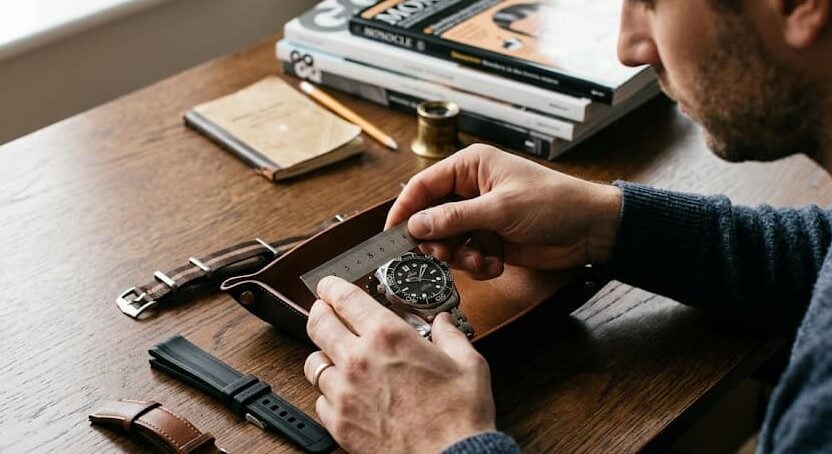
Understanding Omega Seamaster Lug Width and Strap Sizing
Omega seamaster strap size starts with lug width, the key measurement that determines what straps will fit your watch.
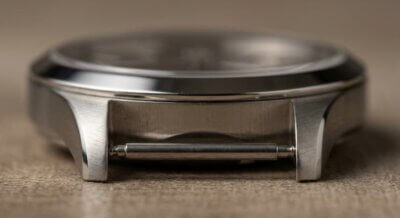
Lug width is the inner distance between the lugs, the protruding arms on the case where the strap attaches. This number, measured in millimeters, ensures the strap ends match the watch exactly for a secure fit. Without the correct lug width, even the best-looking strap will not attach properly.
Seamaster models commonly use 18mm or 20mm lug widths. The 18mm size appears on some vintage examples like those with 36mm cases, while 20mm fits many modern versions such as the Seamaster 300M. Different references explain why online answers conflict—always verify for your specific watch.
| Model/Reference | Case Size | Lug Width | Compatible Strap Widths |
|---|---|---|---|
| 2252.50 (vintage example) | 36mm | 18mm | 18mm |
| Seamaster 300 | 42mm | 20mm | 20mm |
| Seamaster 300M | 42mm | 20mm | 20mm |
| Diver 300M variations | 42mm | 20mm | 20mm |
| Some other variants | Varies | 21mm (verify) | 21mm (verify) |
This table maps common Seamaster models to their lug widths for quick reference. Use your reference number to confirm, as variations exist.
Case size influences strap choices but does not guarantee lug width. A 36mm case often pairs with 18mm lugs, while 42mm cases like the Seamaster 300M typically use 20mm. Still, check your model or measure to avoid assumptions.
- Lug width first: Match this exactly at the lugs.
- Case size guides expectations: 36mm leans 18mm; 42mm leans 20mm.
- Taper is separate: A 20mm strap can taper to 18mm at the buckle for a balanced look.
Glossary of key terms: Lug width is the inner distance between the two lugs on your watch case where straps attach. Taper refers to the strap narrowing from the lugs to the buckle end, for example, a 20mm strap at the lugs tapering to 18mm at the buckle. Quick-release spring bars are small mechanisms that allow tool-free strap swaps.
Taper refers to the strap narrowing from the lugs to the buckle end. For example, a 20mm strap at the lugs might taper to 18mm at the buckle for a balanced look. Lug width measures only at the watch; taper affects the overall profile as it narrows toward the buckle end.
Wrist size determines strap length for comfort, preventing loose or tight fits. Smaller wrists need shorter straps, while larger ones require longer options. A dedicated table later shows recommended lengths by wrist circumference.
Omega Seamaster Models and Their Band Sizes
Omega Seamaster band size variations stem from differences across model references and production eras, with vintage pieces often featuring narrower lugs than modern divers. This explains why some sources list 18mm while others specify 20mm—always verify your exact reference number or measure to confirm.
Refer to the lug width table in the previous section for quick lookup of your model.
To identify your omega seamaster strap size, locate the reference number engraved on the case back or between the lugs. Cross-reference it with official Omega documentation or the sizing table in the Understanding section, then confirm with a direct measurement for precision. Some 21mm variants may exist—verify with your reference or measurement rather than assuming.
With your model’s lug width confirmed, learn how to measure it yourself next for absolute certainty.
How to Measure Your Seamaster for Perfect Strap Fit
Getting the correct strap size starts with two simple measurements: your watch’s lug width and your wrist circumference. Both are quick to obtain with basic tools, and taking time to measure accurately now prevents costly mistakes later.
Tools You’ll Need
Gather one of the following to measure lug width:
- A ruler (preferably with millimeter markings)
- A digital or analog caliper (most accurate for small distances)
For wrist circumference, you’ll need a soft measuring tape or a flexible piece of string and a ruler.
Step-by-Step Lug Width Measurement
Lug width is the inner distance between the two lugs (the metal posts on either side of the watch case where the strap attaches). This measurement, expressed in millimeters, determines which strap width will fit your Seamaster.
- Remove your watch from your wrist or place it on a flat surface with the dial facing up.
- Look at the side of the case where the lugs are located.
- Position your ruler or caliper to measure the distance between the inner edges of the two lugs (not the outer edges).
- Record the measurement in millimeters. This is your lug width.
- Repeat the measurement on the opposite side of the case to confirm consistency.
When you measure omega seamaster lug width this way, you’re identifying the exact width your replacement strap must be. Most modern Seamaster models use either 18mm or 20mm widths; verify your specific reference number against the model guide to confirm which applies to your watch.
Measuring Your Wrist Circumference
Wrist circumference determines strap length. A strap that is too short will feel uncomfortably tight; one that is too long will slide around or feel bulky. Measure in the exact location where you normally wear your watch.
- Wrap a soft measuring tape around your wrist at the spot where your watch typically sits.
- If you don’t have a measuring tape, wrap a piece of string around your wrist, mark the overlap point, lay the string flat, and measure it with a ruler.
- Record the measurement in both inches and millimeters for reference.
- Measure while wearing your watch at the tightness you prefer; this ensures your replacement strap will fit the same way.
Your wrist circumference directly affects which strap length option (short or long) will work best for you.
Strap Length by Wrist Size
Once you know your wrist circumference, use this table to identify the strap lengths that will fit comfortably. Strap lengths are expressed as two measurements: the upper strap length (from lug to buckle) and the lower strap length (from buckle to the end).
| Wrist Size (inches/mm) | Recommended Strap Lengths (short/long) |
|---|---|
| 5.5 to 6 inches (140–152mm) | 100mm/60mm or 105mm/65mm |
| 6.1 to 7 inches (155–178mm) | 110mm/70mm or 115mm/75mm |
| 7.1 to 8.5 inches (180–216mm) | 125mm/75mm or 130mm/80mm or larger |
For example, if your wrist measures 6.2 inches (157mm), you fall into the middle range and should look for straps in the 110mm/70mm to 115mm/75mm range. If you wear your watch looser, choose the longer option within your range.
Understanding Quick-Release Spring Bars
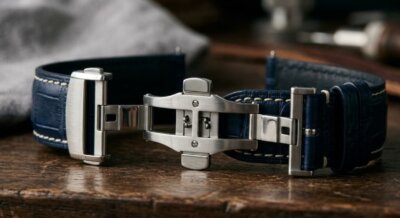
Many modern Seamaster straps use quick-release spring bars—small mechanisms built into the strap ends that allow you to swap straps without tools. When measuring or replacing a strap, you’ll press a small lever or button on the spring bar to detach it from the lug. These are convenient for changing straps frequently, though you should still verify that a replacement strap’s spring bar width matches your watch’s lug width.
Common Measurement Pitfalls to Avoid
Even small errors in measurement can lead to an ill-fitting strap. Watch out for these frequent mistakes:
- Measuring the buckle width instead of the lug width. Buckles are often narrower than lugs and will give you an incorrect number.
- Measuring the outer edges of the lugs rather than the inner edges. The inner measurement is what matters for strap compatibility.
- Forgetting to subtract the buckle width when measuring a strap you already own. If you measure a strap that is currently on your watch, measure only from lug to buckle on both sides; do not include the buckle itself.
- Measuring your wrist while relaxed, then wearing the strap tight. Wrist size can vary slightly depending on activity, temperature, and how snugly you fasten your watch.
- Ignoring taper. A strap with a large taper (wider at the lug, narrower at the buckle) may fit poorly even if the lug width is correct, causing gaps or misalignment.
If you are uncertain about your measurements, measure twice and compare the results. Most quality strap retailers provide detailed dimension specifications, so cross-reference your measurements against their product details before purchasing.
What Straps Fit: Compatible Sizes and Materials
For modern Omega Seamaster models like the 42mm Seamaster 300, 300M, and Diver 300M, compatible straps typically start at a 20mm width to match the lug width. Always verify by model reference or measurement to ensure the right fit, as variations exist across the lineup.
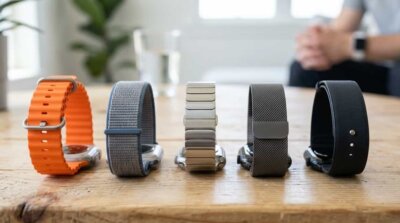
Choosing the right strap material depends on your intended use, from diving and daily wear to more casual or dressier settings. Here are the main options that work well with Seamaster designs.
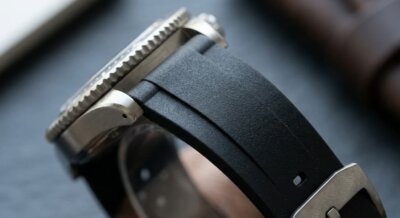
Rubber straps suit dive-ready Seamasters thanks to their flexibility, water resistance, and durability for everyday adventures. They hold up against saltwater and chlorine exposure without losing shape.
FKM rubber offers an upgraded take on standard rubber, with enhanced resistance to wear and environmental factors, making it ideal for active users who want long-lasting performance.
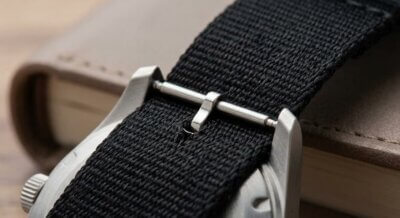
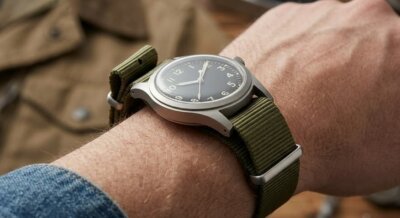
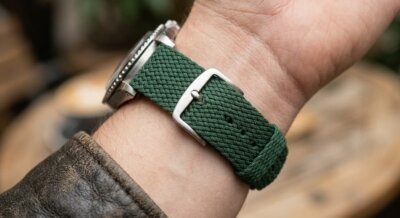
Nylon or sailcloth straps bring a sporty, rugged vibe perfect for a military or Bond-inspired look. These lightweight materials dry quickly and provide breathability for extended wear.
Leather straps elevate the watch for casual or semi-formal occasions, adding a refined touch while remaining comfortable on the wrist.
A popular choice for these modern setups is a custom 20mm straps for Seamaster, which aligns directly with the common lug width while allowing personalization.
OEM versus Aftermarket Compatibility
Omega manufactures original rubber and leather straps designed to precise tolerances for each model. Many aftermarket makers produce high-quality alternatives, but fit tolerances can vary. OEM Omega straps often feature proprietary spring bar placements or specific hardware configurations. An aftermarket strap may fit the lug width but have slightly different end-piece tolerances or hardware compatibility, resulting in a looser or tighter fit than expected. Test the fit with any new strap and confirm that spring bars are secure and that the strap does not shift when worn.
Examples of Great Strap Pairings
- Rubber on a black diver Seamaster: Provides seamless comfort and dive-ready security, matching the dark bezel for a cohesive, tool-watch aesthetic.
- Nylon Bond-style on a blue bezel: Delivers lightweight durability and a tactical edge, enhancing the vibrant bezel colors with a heritage-inspired contrast.
- Leather for casual wear: Offers supple comfort and style versatility, softening the robust case for everyday outfits without overpowering the dial.
Before selecting any strap, run through this quick checklist to confirm compatibility and avoid issues down the line.
Strap Compatibility Check
- Measure lug width
- Check case size
- Verify taper
- Test/confirm quick-release
- Match material to use case
- Measure wrist circumference
- Avoid mismatch by 2mm+
With these fits confirmed, you can confidently swap to a strap that enhances both function and style for your specific Seamaster.
What Straps Don’t Fit (And Why to Avoid Them)
Even with the right measurements, certain strap choices can fail to deliver a proper fit or comfortable wear. Understanding common incompatibilities helps you avoid wasted money and poor-fitting combinations.
Lug Width Mismatches
The most straightforward incompatibility occurs when strap width does not match lug width. A 22mm strap forced onto 20mm lugs creates visible gaps between the strap end and the watch case. The strap will sit loose, shift side to side, and may slip partially out during wear. Conversely, attempting to fit a 18mm strap onto 20mm lugs results in the strap ends not seating fully, leaving unsightly gaps and compromising security. These mismatches are not merely cosmetic; a loose strap poses a practical risk and detracts from the watch’s appearance. Always verify lug width before purchasing any strap—avoid assuming that “close enough” will work.
Taper and Length Problems
Wrong strap size causes fit problems even when lug width is technically correct. A strap with incorrect taper—for example, one that does not curve appropriately from 20mm at the lug to a narrower width at the buckle—can bind, twist, or sit uncomfortably on the wrist. Similarly, strap length must match your wrist circumference. A strap designed for a 7-inch wrist will be too long and bunched on a 6-inch wrist, while one for a 6-inch wrist may be too short and unbearable on a 7.5-inch wrist. These scenarios are common because many aftermarket options come in limited length variants. Before ordering, cross-reference your wrist size against the strap length specifications provided by the maker.
End Shape and Diver Case Geometry
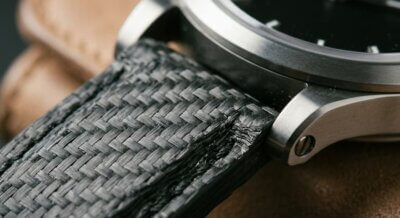
Seamaster divers, particularly modern 42mm models with pronounced lug design, benefit from curved or contoured strap ends that follow the case’s geometry. Strap ends that are too rigid, flat, or squared-off may not seat flush against the case. On a diver, this poor seating can affect the visual integration of the strap and may cause the strap to lift slightly at the lug area during wear. The lug-to-lug distance and case proportions influence how the strap curves and sits on the wrist, making end shape more critical on sport models than on dress watches.
Vintage and Modern Model Mismatches
A practical mismatch to avoid: fitting a modern 20mm strap onto a vintage Seamaster 2252.50 (36mm case with 18mm lug width). While some aftermarket makers produce 18mm options, many contemporary strap designs are optimized for the popular 20mm standard. Forcing a 20mm strap onto an 18mm vintage lug results in gaps and poor aesthetics, making the vintage watch look incorrect. Conversely, sourcing an 18mm strap for a vintage piece often limits color and material choices. This scenario highlights why verifying your specific model’s lug width is essential before shopping.
Wrist Size and Strap Length Failure Scenario
A common real-world failure: a buyer with a 7.5-inch wrist selects a modern 42mm Seamaster 300M on a rubber strap intended for a 6-inch to 7-inch wrist. The short strap length is insufficient to wrap around the larger wrist comfortably, forcing an overtightened fit that restricts circulation and feels unstable. Meanwhile, the long strap may be excessively long, creating loose loops at the wrist. Always reference wrist circumference tables provided by strap makers and, when in doubt, contact the seller to confirm length before purchase.
Do-Not Checklist
- Do not assume a strap is compatible based on case size alone; verify lug width by measuring or checking the reference number.
- Do not force a strap width within 2mm of the lug width without confirming fit first.
- Do not purchase a strap without checking the recommended wrist size range and strap length specifications.
- Do not use a flat-ended strap on a modern diver if a curved option is available.
- Do not ignore taper differences; a poor taper will twist and bind on your wrist.
- Do not assume OEM and aftermarket straps of the same width fit identically; test hardware security after installation.
- Do not mix vintage and modern strap widths without confirming your model’s era-specific lug width.
To prevent incompatibility before you buy, verify your model’s specifications against the maker’s strap sizing table. Taking two minutes to avoid lug mismatches will save you from returns and frustration.
Omega Watch Strap Replacement: Easy Steps for Beginners
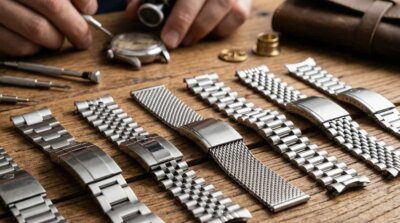
Swapping straps on your Omega Seamaster, known as Omega watch strap replacement, lets you refresh the look without professional help. This process uses basic tools or quick-release options for safety and ease.
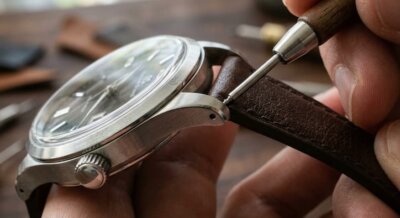
Start with the right tools: a spring bar tool for traditional pins, or opt for straps with quick-release compatible bands that simplify removal without special equipment. These spring bars have levers you push to release the strap instantly.
Step-by-Step Installation
- Prepare your workspace: Lay out the new strap, watch, and tools on a soft cloth to avoid scratches.
- Remove the old strap by compressing the spring bars with the tool and sliding it out from the lugs.
- Align the new strap: Insert one end into the lug holes, ensuring the strap sits flush. For quick-release spring bars, push the lever to open, position in the lug hole, and release to lock.
- Secure the other end: Repeat on the opposite side, checking that the strap lies flat without twisting. Tug gently to confirm it holds.
- Adjust the clasp: Thread the strap through the clasp and buckle. Shorten or lengthen by removing extra links or punching new holes if needed, aiming for a snug but comfortable fit with one finger’s space under it.
- Test security: Shake the watch firmly and flex your wrist to ensure nothing shifts. Wear it for 10-15 minutes, then recheck alignment and tightness.
After installation, verify comfort across movements. If the strap pinches or slips, readjust the clasp or spring bars. This method works for most straps, but always double-check fit before daily wear.
Best Strap Pairings for Your Seamaster
Once you have the right strap size, pairing materials and colors with your Seamaster enhances its look and function for specific activities. Here are practical recommendations for rubber, nylon, and leather straps, including when to use each and mistakes to avoid.
Rubber Straps
Rubber straps, including FKM rubber, suit diving and water activities due to their flexibility and secure hold. A black rubber strap pairs well with a black diver dial for a sleek, understated appearance. When to use it: for underwater use or humid conditions where grip matters. Common mistake to avoid: skipping the width check, as not all rubber options match your lug width.
For more rubber choices tailored to Seamasters, see our rubber strap options.
Nylon or Sailcloth Straps
Nylon or sailcloth straps offer a casual, lightweight feel ideal for everyday wear. A green nylon Bond-style strap complements a blue bezel, evoking a vintage spy vibe. When to use it: for active days or travel needing breathability. Common mistake to avoid: ignoring taper, which can make the strap bunch at the buckle.
Leather Straps
Leather straps elevate the Seamaster for dressier or office settings with their smooth texture. A blue leather strap matches a blue dial for subtle coordination. When to use it: for formal events or when toning down the sporty diver aesthetic. Common mistake to avoid: selecting thin leather that wears quickly in moisture.
The table below compares these materials across key factors to help you decide based on your needs.
| Material | Comfort | Durability | Resistance to Saltwater/Chlorine | Ease of Swapping | Versatility |
|---|---|---|---|---|---|
| Rubber/FKM | High; molds to wrist | Excellent; withstands wear | Strong | High with quick-release | Great for active use |
| Nylon/Sailcloth | Good; lightweight and breathable | Very good; quick-drying | Good | High with quick-release | High for casual |
| Leather | High; softens over time | Moderate; avoid water | Poor | Moderate | Best for dressy |
FAQ: Omega Seamaster Strap Size Questions
What is the lug width for Omega Seamaster 300M?
Most Omega Seamaster 300M models, including Diver 300M variants, feature a 20mm lug width, especially those with 42mm cases. Always verify by checking your specific reference number or measuring, as rare variants may differ.
Does a 20mm strap fit all Seamaster models?
No, a 20mm strap does not fit all Seamaster models. Modern 42mm Seamaster 300 and 300M models typically use 20mm, while vintage examples like the 36mm 2252.50 require 18mm. Confirm your model’s lug width by reference or measurement to avoid mismatches.
How do I measure my Seamaster’s lug width?
To measure your Seamaster’s lug width, remove the strap and use a caliper or ruler to gauge the inner distance between the lugs in millimeters. Focus on the precise gap where the spring bar sits, avoiding buckle width or outer measurements.
What strap sizes work for 36mm vs 42mm cases?
For 36mm Seamaster cases, such as vintage references like 2252.50, use 18mm strap widths. For 42mm cases in Seamaster 300 or 300M, opt for 20mm straps. Case size provides guidance, but always verify lug width by measurement or reference number.
Can I use third-party straps on Seamaster?
Yes, third-party aftermarket straps can work on Seamaster watches if they match the lug width, taper, and hardware compatibility like quick-release spring bars. OEM straps offer exact tolerances, while aftermarket may vary slightly in end shapes or fit—test for security.
How do I choose strap length for my wrist size?
Measure your wrist circumference and select short or long strap lengths accordingly: small wrists (under 6.5 inches/165mm) suit shorter options like 105mm/65mm; medium (6.6-7.4 inches/166-188mm) need 110-125mm/70-75mm; large (over 7.5 inches/190mm) fit longer like 130mm/80mm. Adjust clasp for comfort.
Are quick-release spring bars needed for Seamaster strap swaps?
Quick-release spring bars simplify Omega watch strap replacement by allowing tool-free swaps, ideal for rubber straps or frequent changes on Seamaster 300M divers. Standard spring bars work too but require a tool for removal.
What causes fit issues with OEM vs aftermarket straps?
OEM straps match exact Seamaster geometry like lug-to-lug and case curves perfectly, while aftermarket may have tighter tolerances or mismatched end curves, leading to gaps or poor seating. Prioritize matching specs for both types.