What Are Rolex Bands and Why Do They Matter?
Learning the types of Rolex bands can elevate how your watch feels and looks on your wrist every day. These bands complete the watch, turning a timepiece into something personal and functional for beginners exploring Rolex watch bands.
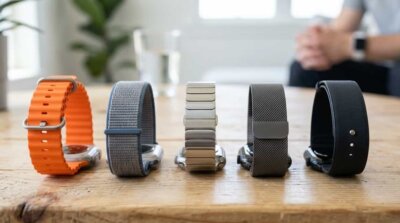
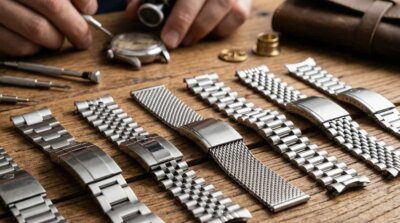
A Rolex band serves as the broad umbrella term for what wraps around your wrist, but it splits into two main categories. A bracelet is typically a metal link design built for durability and polish, while a strap refers to non-metal options like leather, rubber, or fabric for a different feel and style. This distinction helps when thinking about different bands for Rolex, as each type shapes the overall look and wear.
Rolex bands matter because they affect comfort during long wear, enhance visual appeal from sporty to elegant, and reflect the brand’s signature identity. A rugged bracelet might suit active days, while a refined one dresses up an outfit—ultimately making the watch read as tool-like or luxurious at a glance.
While Rolex offers over 33 varieties across models, this guide focuses on the 5–7 iconic options you see most often, like the Oyster bracelet and Jubilee bracelet. A beginner tip: match your band to lifestyle needs, such as work, diving, or formal events.
Start with this simple checklist to narrow your options. Pick your top 1–2 priorities, then see which band aligns best:
- Sport/active lifestyle: Oyster bracelet for toughness.
- Dress/formal occasions: Jubilee or President bracelet for elegance.
- Comfort priority: Jubilee bracelet or Oysterflex strap for flexibility.
- Budget: steel Oyster bracelet in Oystersteel.
- Luxury appeal: President or Pearlmaster bracelet.
- Casual swap option: Leather or NATO strap.
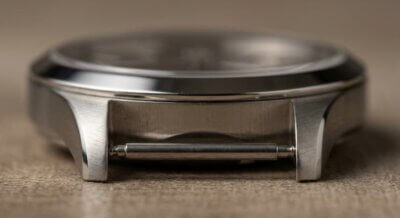
Oystersteel (904L), Rolex’s corrosion-resistant steel, appears in many entry-level bracelets for everyday reliability. Lug width, the distance between the watch case’s protruding ears called lugs, matters for proper fit—especially when swapping bands later, as mismatches cause gaps or overhangs.
The Oyster Bracelet: Tough and Timeless
One of the main types of Rolex bands, the Oyster bracelet stands out for its rugged versatility and everyday durability, making it a go-to choice for sporty Rolex models.
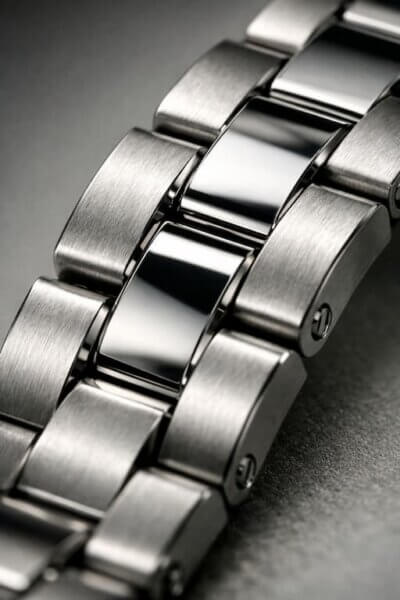
This design features a three-piece flat link construction, where each link consists of three flat, broad sections connected seamlessly. On the wrist, it creates a smooth, low-profile feel that sits close to the skin without sharp edges, offering a sturdy yet comfortable presence during active wear.
A Brief History and Evolution
The Oyster bracelet traces its origins to the 1930s, when Rolex introduced early versions as a durable option for professional watches. Later refinements enhanced strength through design updates.
- Early versions used riveted links for basic security.
- Later refinements shifted to solid links, a construction concept where links are fully solid rather than hollow or riveted, enhancing long-term durability.
Materials and Style Vibes
- Available in a range of materials, from Oystersteel (904L) for a tool-watch feel, to Rolesor (two-tone steel and gold), and up to precious metals like 18k yellow gold or platinum for a more luxurious take.
- The choice of material shifts the vibe: steel keeps it sporty and practical, while gold versions add subtle elegance without losing the tough core.
Popular Model Pairings
The Oyster bracelet pairs naturally with professional and tool watches, enhancing their purpose-built identity.
- Submariner on Oyster for diving: Its flat links and secure hold make it suitable for underwater activities, where durability matches the model’s dive-ready reputation.
- GMT for travel: The robust build handles daily adventures while keeping the dual-time functionality front and center.
- Explorer for outdoor exploration: The straightforward strength supports rugged hikes or expeditions without distraction.
Clasps and Adjustments
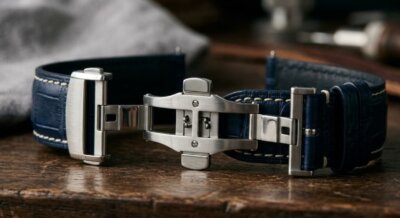
The Oyster bracelet typically features the Oysterclasp, a folding clasp style with a cover for a clean look and secure hold. Many include comfort features like the Glidelock, a micro-adjust system that extends the bracelet in small increments for precise sizing over wetsuits or clothing, and the Easylink 5mm, a quick extension for on-the-fly comfort adjustments like after a workout.
Pros and Cons
- Pros: Highly durable for active lifestyles; versatile across casual and sporty settings; easy to adjust for daily comfort.
- Cons: Its sporty profile may feel less refined for formal occasions; heavier materials can add wrist weight; requires periodic professional adjustments for optimal fit.
The Jubilee Bracelet: Elegant and Comfortable
Among Rolex band options, the Jubilee bracelet stands out for its dressier appeal and flexible feel, making it a popular choice on models like the Datejust.
Design and What Makes It Special
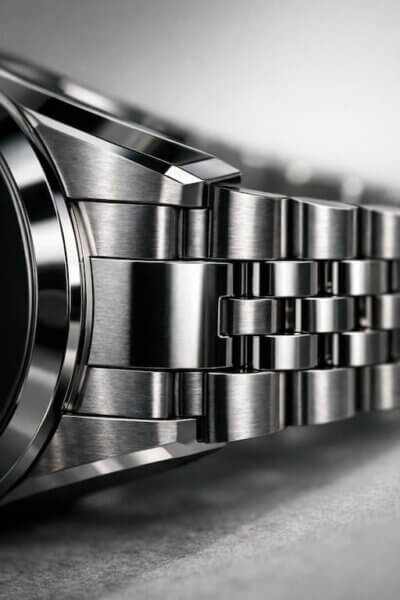
The Jubilee bracelet features a five-piece link construction, with smaller links arranged in a semi-circular pattern. This multi-link design allows it to drape more naturally around the wrist, often described as feeling smooth and comfortable by many wearers. Its origin traces back to 1945, giving it a timeless place in Rolex history.
Finishing Details
Jubilee bracelets combine polished center links that catch the light for a refined shine with brushed outer links that offer a subtler texture. This mix of polished and brushed finishes creates a balanced look—elegant yet not overly flashy—that suits both formal and everyday settings.
Best Known On These Models
- Datejust, where it adds everyday sophistication for office wear and casual occasions.
- GMT-Master II, showing its versatility on sportier pieces.
- Lady-Datejust, which pairs well with smaller wrists thanks to the bracelet’s comfortable drape and flexibility.
The Crownclasp
The Jubilee bracelet typically uses the Crownclasp, a hidden clasp style that blends seamlessly with the links for an uninterrupted pattern around the wrist.
Pros and Cons
- Pros: High flexibility from the five-piece links for all-day comfort; polished and brushed mix for versatile styling; multi-link design can make light scratches less noticeable.
- Cons: More delicate look may show wear in active settings; five-piece construction can collect dust between links over time.
The President Bracelet: Ultimate Luxury
Among iconic Rolex band options, the President bracelet stands out for its exclusive prestige and close tie to the Day-Date model.
The President bracelet features a distinctive semi-circular, three-piece link design that creates a smooth, flowing look around the wrist. Unlike the flat links of the Oyster bracelet or the more intricate five-piece flexibility of the Jubilee bracelet, its curved center links give it a refined, jewelry-like appearance that emphasizes elegance over rugged utility. It debuted in 1956 alongside the Day-Date, and Rolex reserves it exclusively for precious metals, such as 18k yellow gold, Everose gold (Rolex’s proprietary rose gold alloy designed to keep its color), white gold, or platinum.
This combination of design and materials has earned the President bracelet recognition as a luxury option, often chosen for its substantial weight and cohesive luxury feel.
A classic example is the Day-Date on President bracelet for formal events, like a black-tie gala where its polished links catch the light and complement formal attire, helping beginners visualize its upscale presence.
Its clasp follows a hidden concept, seamlessly integrated so the bracelet pattern flows uninterrupted around the wrist.
Pros and Cons of the President Bracelet
- Pros: Offers a refined, substantial weight and feel that enhances luxury appeal; polished surfaces create a cohesive, high-end visual harmony.
- Cons: Polished links show scratches more visibly than brushed finishes; lacks the sporty, tool-watch versatility of options like the Oyster bracelet.
Premium Options: Pearlmaster and Oysterflex
While the core Oyster, Jubilee, and President bracelets cover many needs, premium options like the Pearlmaster bracelet and Oysterflex strap offer jewelry-like flair and modern hybrid comfort for different band choices.
The Pearlmaster Bracelet
The Pearlmaster bracelet stands out with its rounded, five-piece link design that gives it a jewelry-leaning feel. Often crafted from precious metals and paired with diamonds, it suits those seeking a more decorative luxury look. It appears mainly on Pearlmaster models, where the flowing, domed links create an elegant drape perfect for special occasions—for instance, a Pearlmaster with diamond accents shines at formal events, elevating the watch to standout accessory status.
Key pros and cons of the Pearlmaster bracelet:
- Pros: Rounded design offers soft, contoured fit; premium materials for sophistication; integrates with gem-set dials.
- Cons: Less suited for active wear; heavier due to precious metals; limited model availability.
The Oysterflex Strap
Introduced in 2015, the Oysterflex strap represents a modern evolution in Rolex design, blending flexibility with strength. It features an outer layer of high-performance elastomer over a titanium-nickel blade, the internal reinforcing component that provides metal-like durability while allowing rubber-like give and cushioning. This makes it a sporty-luxury choice, as seen in the gold Oysterflex on Yacht-Master, where it pairs sleek gold tones with active versatility, or on Daytona models for a lightweight yet secure feel.
Key pros and cons of the Oysterflex strap:
- Pros: Comfortable flexibility without metal weight; resistant to stretching; modern adjustments for daily wear.
- Cons: Unique care needs unlike metal bracelets; not interchangeable with all models; elastomer may attract dust over time.
Materials That Make Rolex Bands Special
Rolex bands stand out for their high-quality material choices, which affect everything from daily durability to overall style. Understanding these helps beginners pick options that match their lifestyle without overwhelming technical details.
Oystersteel (904L), Rolex’s signature steel, offers strong corrosion resistance for everyday wear. This material forms the base of many Oyster bracelets, keeping them tough against scratches and environmental exposure.
Rolesor combines Oystersteel with precious metals like gold for a two-tone look that blends sporty strength with luxury appeal. It creates visual contrast, making watches versatile for both casual and formal settings.
Precious metals elevate Rolex bands to premium levels:
- 18k yellow gold provides a classic warm shine, often seen in full-gold versions for a rich appearance.
- Everose gold, Rolex’s proprietary rose gold alloy, delivers a subtle pink hue that pairs well with modern designs.
- 18k white gold offers a sleek, contemporary finish that mimics platinum at a different weight and feel.
- Platinum, the rarest choice, brings unmatched prestige with its dense, cool-toned luxury.
Finishes on the links further define a band’s character. Brushed finishes give a subtle, low-key texture that hides minor scratches and suits active use. Polished finishes create reflective highlights that boost dressiness but show wear more visibly.
Use this material choice guide to narrow your options:
- Need maximum durability and low maintenance? Go with Oystersteel.
- Want a balanced sport-luxury vibe? Choose Rolesor two-tone.
- Prefer full elegance and warmth? Select 18k yellow or Everose gold.
- Seek subtle sophistication? Opt for white gold or platinum.
Clasps, Adjustments, and Fit Tips
Once you’ve explored the main Rolex bracelet types, understanding the clasps, adjustments, and fit details makes a big difference in everyday comfort and security.
Rolex clasps provide reliable closure with thoughtful designs. The Oysterlock is a safety clasp concept that includes an extra locking mechanism to prevent accidental opening during activity. You’ll also find the Oysterclasp, a folding style with a protective cover common on many Oyster bracelets, and the Crownclasp, a concealed folding clasp often seen on Jubilee bracelets for a seamless look.
Built-in adjustments help fine-tune the fit without tools. The Easylink 5mm offers a quick comfort extension you can pull out for extra length, ideal for warmer days when your wrist expands slightly. The Glidelock is a micro-adjust system that lets you shorten the bracelet in small increments, keeping it snug under a cuff or wetsuit.
Fit starts with key fundamentals like end links and lug width. End links are the pieces that connect the bracelet or strap to the watch case, hugging the sides for a smooth, secure transition—getting these right ensures no gaps or rubbing. Lug width is the distance between the watch’s protruding lugs where the band attaches; it matters for swapping because a mismatch causes loose or unstable connections. Common lug widths like 20mm or 21mm appear on many models, but always check your specific watch since sizes vary.
Different wrist sizes benefit from specific considerations. For smaller wrists, a flexible bracelet like the Jubilee provides better drape and comfort without feeling bulky. Average or larger wrists often pair well with the sturdier Oyster for stability.
Follow this step-by-step guide to assess and improve your Rolex band’s fit safely:
- Wrap the watch around your wrist—it should sit comfortably with space for one finger underneath, not pinching or sliding excessively.
- Check for even tension across links; too tight leaves indentations, while too loose spins freely.
- Test adjustment features like Easylink 5mm or Glidelock for on-the-fly tweaks to handle daily changes in wrist size.
- Examine end links for flush contact with the case; any rocking signals a mismatch.
- Verify lug width compatibility if swapping bands, measuring or consulting your model’s specs.
- Seek professional service for any resizing or persistent issues to avoid damage.
Leather, NATO, and Aftermarket Alternatives
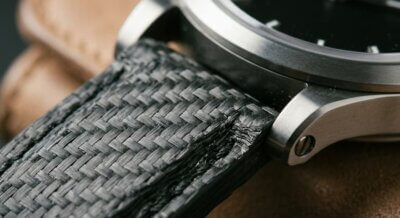
While Rolex bracelets dominate the official lineup, aftermarket straps like leather, NATO, and rubber options let beginners experiment with casual styles. These non-metal straps offer fresh looks but require careful attention to compatibility since they are not official Rolex products.
Leather Straps
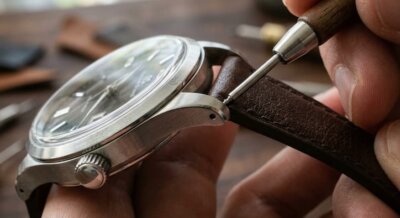
Leather Rolex watch bands, typically made from alligator or calfskin, bring a dressy, refined vibe to Rolex models. They trace back to early Rolex designs paired with formal watches and suit office or evening wear better than sporty bracelets. The supple material drapes comfortably but needs protection from moisture to avoid wear.
NATO Straps
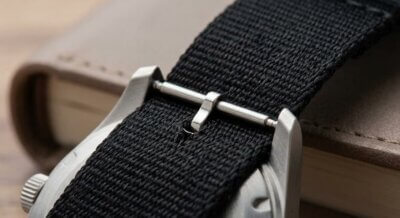
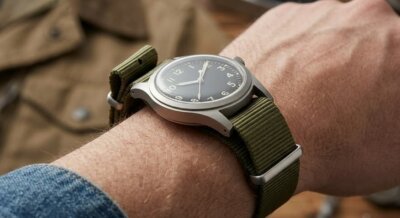
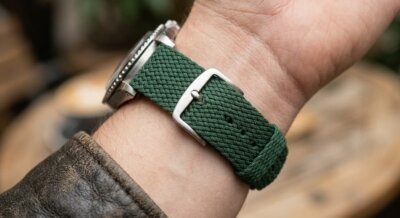
NATO straps, a fabric option woven from durable nylon, get their name from military use where the design passes fully under the case for added security if one strap layer breaks. This makes them a beginner-friendly choice for casual or travel scenarios. For example, swapping a NATO strap onto an Explorer creates a rugged, everyday look perfect for weekend hikes or trips—just ensure it matches your model’s lug width, the distance between the watch lugs where end links connect the band to the case.
Rubber Straps
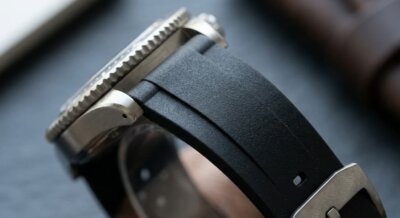
Rubber straps excel in durability and water resistance, suitable for active casual use like boating or gym sessions. Unlike the Oysterflex strap with its titanium-nickel blade core, generic rubber versions are simpler and more affordable but still prioritize a secure fit over the flexibility of official designs.
Beginner Swap Tips
Before trying aftermarket alternatives, double-check lug width—common sizes like 20mm or 21mm vary by model—to avoid loose or mismatched fits. The end links must align precisely with your watch case. If unsure about installation, seek professional service to prevent damage, as these swaps are unofficial and carry some risk.
Here is a checklist of common beginner mistakes to sidestep:
- Choosing the wrong lug width, leading to gaps or an unstable fit.
- Ignoring clasp or end link compatibility, which can cause the strap to slip.
- Forgetting to verify compatibility before extended wear.
How to Choose the Right Rolex Band for You
Selecting the right Rolex band comes down to matching your lifestyle, priorities, and watch model with the options that feel best on your wrist. This guide turns those choices into simple steps anyone can follow.
Step-by-Step Framework to Find Your Match
- Identify your primary use case. Think about how you wear your watch most often: daily work or office settings, sport and active pursuits like diving or hiking, or formal events where elegance stands out.
- Pinpoint your top priorities. Do you value durability for rough use, comfort and flexibility for all-day wear, dressiness for refined looks, or a mix like sporty luxury?
- Map to band types. For work or office, the Jubilee bracelet often works well for its flexible drape. Sport or active, especially water-oriented, pairs with the Oyster bracelet’s toughness or Oysterflex strap’s secure comfort. Formal events lean toward the President bracelet’s prestige or Pearlmaster bracelet’s jewelry appeal.
- Consider your model. Certain pairings shine: Submariner often on Oyster bracelet, Datejust on Jubilee bracelet, Day-Date on President bracelet. These reinforce the watch’s style without being the only option.
- Check swapping basics. Many Rolex models allow band swaps if lug width and end links match—the distance between the case lugs and the connecting pieces. Clasp compatibility matters too; always use professional service to ensure a secure fit.
Wrist Size Scenarios
- Small wrists: The Jubilee bracelet’s five-piece links provide excellent drape and comfort, as seen with the Lady-Datejust where it feels light yet secure without overwhelming.
- Average wrists for daily wear: Oyster bracelet suits versatile needs, or switch to Jubilee bracelet if style edges out pure toughness.
- Larger wrists or substantial feel: Oyster bracelet offers presence for active days, while President bracelet adds formality without bulk.
Final Decision Checklist
- Confirm fit: Check lug width, end links, and clasp ease like Easylink or Glidelock.
- Material and clasp review: Ensure Rolesor, Everose gold, or brushed finish aligns with your needs and maintenance habits.
- Professional fitting: Have a professional fit any band swap to ensure security and avoid damage.
Caring for Your Rolex Bands
Proper care keeps your Rolex bands looking sharp and performing well over time. Focus on gentle routines for metal bracelets and straps alike, and always turn to professional service for anything beyond basic upkeep.
For metal bracelets like the Oyster or Jubilee, start with a soft cloth and mild soap to wipe away dirt after wear. Dry thoroughly to prevent water spots. Avoid harsh chemicals, such as chlorine from pools or strong cleaners, which can damage finishes like brushed or polished surfaces.
Leather straps and non-metal options need extra attention to avoid drying or cracking. Wipe them gently with a damp cloth—no soap unless specified for the material—and let them air dry away from direct heat or sunlight.
Store your watch in a cool, dry place when not in use, ideally in its original box or a soft pouch to minimize scratches on links or straps. Keep it away from high humidity or extreme temperatures.
Check fit regularly, using built-in systems like Easylink or Glidelock for quick comfort tweaks. If links feel loose or adjustments are needed, seek professional service right away to maintain security and appearance.
Here is a simple checklist for bracelet care. These are general tips—professional service is best for thorough maintenance:
- Clean with a soft cloth and mild soap after wear.
- Avoid exposure to chemicals like chlorine or solvents.
- Schedule professional service for deep cleaning or repairs.
- Store in a protective box or pouch to prevent scratches.
- Perform regular adjustments and fit checks for comfort.
FAQs About Types of Rolex Bands
What are the main types of Rolex bands?
The main types of Rolex bands include metal bracelets like the Oyster, Jubilee, and President, plus premium options such as the Pearlmaster bracelet and Oysterflex strap. These cover sporty, elegant, and luxury styles, with non-metal straps like leather or NATO as alternatives.
Oyster vs Jubilee: key differences?
The Oyster bracelet features flat three-link construction for a sturdy, versatile feel suited to sports watches, while the Jubilee bracelet uses five-piece links for added flexibility and a refined drape, often on dressier models like the Datejust.
What is the President bracelet?
The President bracelet is a luxury option with semi-circular three-piece links, typically made from precious metals like gold or platinum. It debuted with the Day-Date and offers a concealed Crownclasp for seamless comfort.
Can you swap Rolex bands?
Many Rolex models allow band swaps between compatible bracelets and straps, but always match the lug width—the distance between the case lugs where the band attaches. Consult a professional for safe removal and fitting to avoid damage.
Best band for daily wear or beginners?
For daily wear or beginners, the Oyster bracelet often works well for its durability and versatility across models like the Submariner or Datejust. Its simple design and adjustment options like Easylink make it practical for everyday use.
What materials are used?
Rolex bands use Oystersteel (904L steel), Rolesor (Oystersteel paired with gold), and precious metals like 18k yellow gold, Everose gold (Rolex’s rose gold alloy), white gold, or platinum. Finishes include brushed for subtle texture or polished for shine.
How to care for Rolex bands?
Clean metal bracelets with a soft cloth and mild soap, avoiding chemicals, and store them properly when not worn. For straps, wipe gently and seek professional service for adjustments or deeper cleaning to maintain condition.
What’s the difference between a bracelet and a strap?
A bracelet is a metal link band like the Oyster or Jubilee, built for durability and adjustability, while a strap is non-metal, such as leather, NATO fabric, or the Oysterflex’s elastomer material, offering lighter comfort.
What is lug width and why does it matter?
Lug width is the space between the watch case’s protruding lugs, commonly around 20mm or 21mm, that determines band compatibility. Matching it ensures a secure, flush fit without gaps or strain.
Are non-metal options (leather/NATO/rubber) okay for a Rolex?
Yes, leather, NATO, and rubber straps work well on Rolex watches for varied styles, like a NATO on an Explorer for casual security. They must match lug width, and aftermarket choices carry some risk, so professional fitting is advised.